


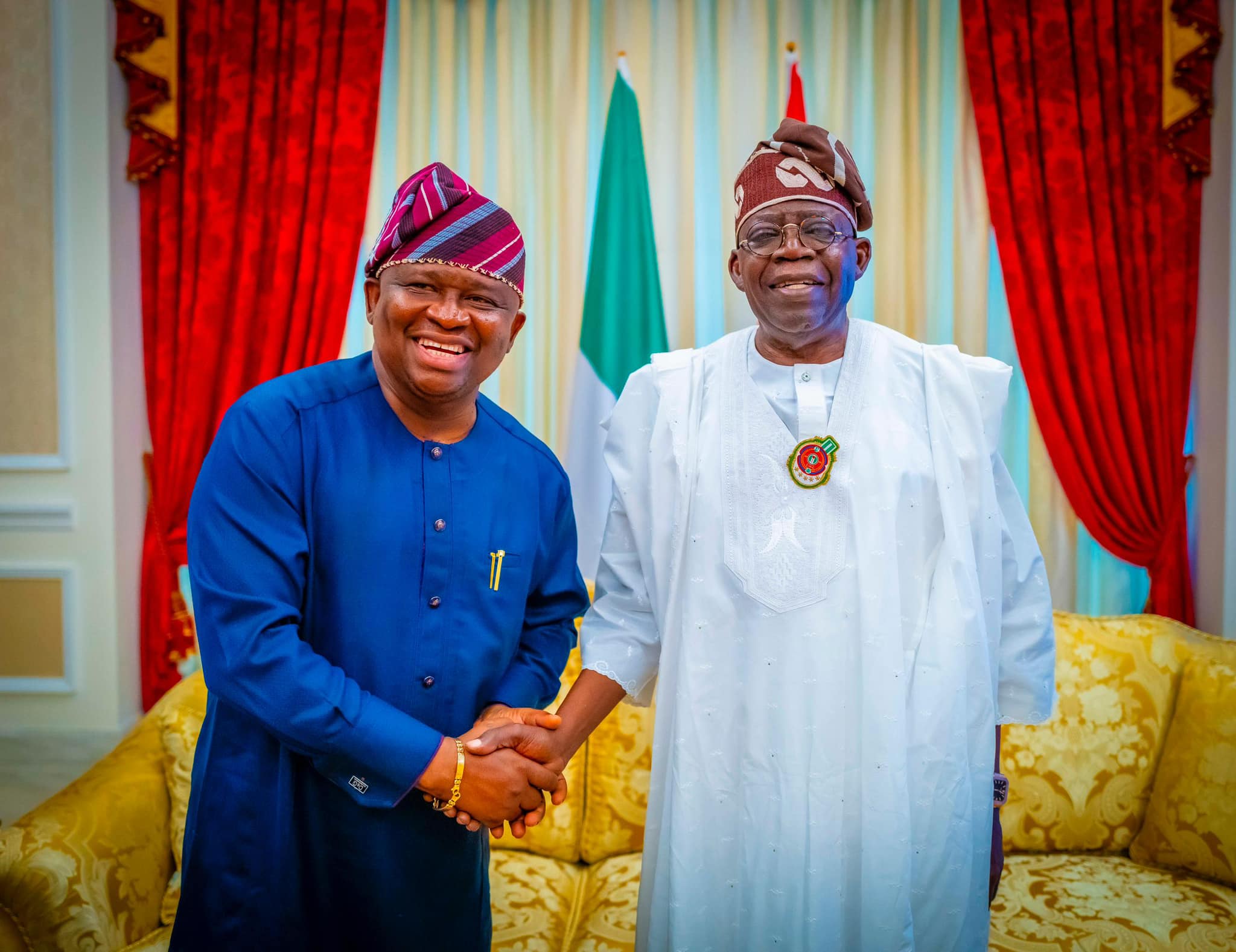
In a development that has rekindled debate on economic reform and fiscal sustainability in Nigeria, Senator Solomon Adeola (APC–Ogun West), has stated that the federal government is currently saving around ₦10 trillion every year due to the removal of the long-standing petrol subsidy. Adeola, who is the Chairman of the Senate Committee on Appropriation, made the revelation during a New Year thanksgiving service in Ilaro, Ogun State.
What the ₦10 Trillion Figure Represents
According to Senator Adeola, Nigeria previously allocated an estimated ₦6 trillion to ₦7 trillion annually to fund fuel subsidies, with the government frequently borrowing to cover the shortfall. With the subsidy now abolished, these outlays have effectively been eliminated, resulting in the claimed annual fiscal saving of over ₦10 trillion.
He argued that subsidies had become a drain on public finances, disproportionately benefiting a minority of Nigerians while imposing heavy borrowing costs on the nation. The removal, he said, has liberated scarce resources that are now being redirected towards national development and economic stability.
Broader Fiscal Impact of Subsidy Removal
Although the ₦10 trillion figure comes from a political figure, wider reports suggest that Nigeria’s government finances have seen significant relief since the fuel subsidy regime ended.


Independent analyses and government data show:
-
Sharp increases in government savings and revenues, with federal savings reported to have surged by more than 500% in early 2025 after subsidy removal.
-
Fuel subsidy expenditures, once consuming a large share of federal revenue, were historically massive. Before the reform, fuel subsidies had swallowed billions over the years, diverting resources from infrastructure and social services.
-
The National Orientation Agency (NOA), and other government reports conclude that federal and sub-national finances have improved, enabling significant infrastructure funding and debt reduction.
Investments and Redirected Spending
Proponents of oil subsidy removal maintain that the money no longer spent on subsidising petrol can be put to more productive use for the benefits of Nigerians. Saver reports and government officials have highlighted that funds saved have been earmarked for:
-
Major road and infrastructure projects across the country.
-
Boosting the Federation Account Allocation Committee (FAAC), shares to states and local governments, enhancing their capacity to pay salaries and deliver services.
-
Repayment of debts and foreign exchange obligations, improving macroeconomic stability and external reserve positions.
Criticism and Mixed Outcomes
Despite these claimed fiscal benefits, critics argue that the gains are yet to translate sufficiently into improved living standards for many Nigerians.
Some analysts and reports highlight:
-
Persisting hardship and inflation, with many Nigerians continuing to feel economic strain despite subsidy savings.
-
Questions about transparency and remittances, including World Bank concerns that not all gains from oil subsidy removal are being fully remitted into government accounts.
-
Some commentators argue that while the government’s fiscal position has improved on paper, the everyday impact on average households remains limited, as the cost of fuel and living expenses rose sharply after subsidy removal.
Looking Ahead
President Tinubu’s administration continues to defend subsidy removal as a necessary reform to put Nigeria on a path to fiscal responsibility, economic diversification, and reduced debt vulnerability.
Government spokespeople and supportive lawmakers emphasize that redirecting subsidy outlays toward capital projects and social programmes could bolster long-term growth and state finances, even as debates over implementation and social impact persist.
Summary:
The assertion that Nigeria is saving about ₦10 trillion annually from the removal of fuel subsidy has been publicly stated by Senator Solomon Adeola and aligns with broader data showing increased fiscal space and savings since the subsidy regime ended.
However, while the macro-fiscal picture shows improvements, economists and civil society continue to debate the broader economic and social effects of the policy.