


The Federal Government of Nigeria has unveiled an ambitious mobility initiative that will see the introduction of 10,000 electric tricycles. This effort is designed to enhance public transportation efficiency, lower transport costs, and promote cleaner mobility in urban and regional areas.
The rollout will be managed by the North East Development Commission (NEDC), with the first batch set to hit the roads in August 2026 in the North-East region, followed by plans to expand to other parts of the country.
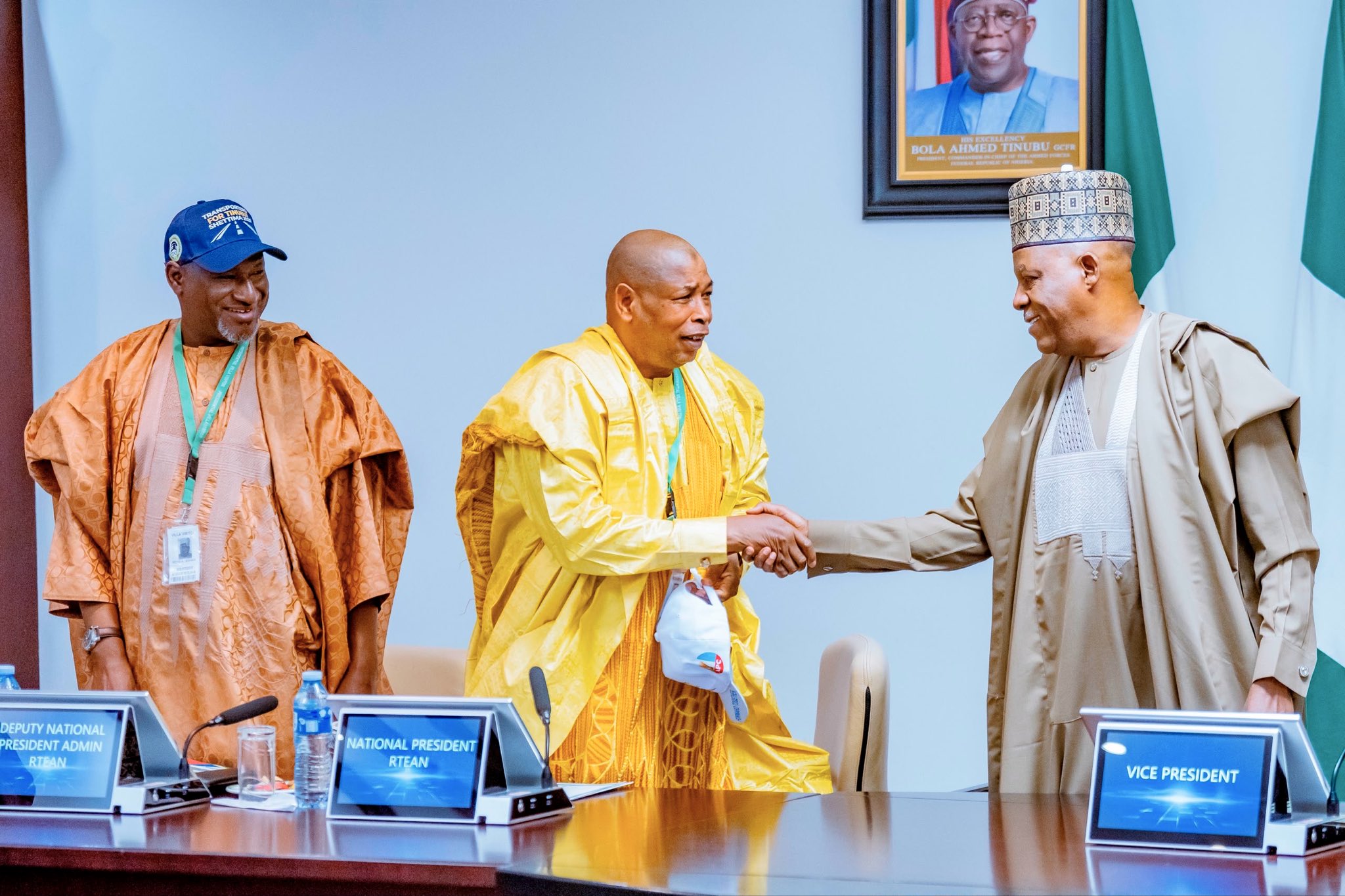
Vice President Kashim Shettima made this announcement during a visit from the Transporters For Tinubu/Shettima 2027 initiative. He shared that President Bola Tinubu has given the green light for the project to be replicated across the nation through various regional development commissions.
This program is part of a broader strategy to modernise transportation, aiming to integrate rail, road, ports, air, and inland waterways into a cohesive logistics system.


Background and Policy Context
Nigeria’s transport sector has been grappling with a range of structural challenges for quite some time, including:
We’ve got a patchwork of public transport systems that vary from state to state. There’s a heavy reliance on petrol and diesel vehicles, which isn’t great. Urban areas are getting more congested, and transport costs are climbing. Plus, there’s a lack of seamless integration between different transport modes like roads, railways, ports, and waterways.
The current administration is actively working on a comprehensive transport reform agenda designed to boost efficiency, cut down on emissions, and strengthen economic connectivity.
One of the standout features of this initiative is the rollout of electric tricycles, which plays a key role in enhancing mobility within this larger plan.

The Electric Tricycle Deployment Initiative
The government is gearing up to roll out 10,000 electric tricycles as part of a new initiative to boost public transport.
These vehicles are anticipated to:
Deployment Agency
The North East Development Commission will take charge of coordinating the implementation, ensuring that it covers:
-
– Provide urban and peri-urban transportation choices
– Decrease reliance on fossil fuels
– Cut down operational expenses for transport providers
– Enhance accessibility for communities that are often overlooked
Geographic Focus
- Phase 1: North-East Nigeria (pilot deployment)
- Phase 2: Expansion to other geopolitical zones via regional development commissions
Government Statements and Strategic Intent
Vice President Kashim Shettima highlighted that this initiative is a key part of a larger effort to revamp Nigeria’s transport system. He pointed out that President Bola Tinubu has given the green light to expand the program across the country, demonstrating the federal government’s dedication to implementing transport solutions that can be scaled up.

One of the main policy directions that stands out is the transition:
Transforming disjointed transport systems into a cohesive national logistics network.
National Transport Reform Agenda
The electric tricycle program is part of a broader reform strategy that encompasses:
Integrated Logistics Chain
The government is working towards integrating various modes of transportation into a seamless, unified system.
- Seaports and inland ports play a crucial role in trade, while rail infrastructure networks connect regions efficiently. Road freight systems are essential for transporting goods, and inland waterways transport offers an alternative route. Airports and cargo terminals facilitate air freight, and local feeder roads ensure smooth last-mile delivery.
This integration aims to smooth out any bottlenecks and enhance the flow of goods and people between different regions.
Compressed Natural Gas Transition
One of the key components of the reform is introducing Compressed Natural Gas as a viable alternative fuel for transportation.
Some of the main goals are:
– Decreasing our reliance on imported fuel
– Bringing down the costs of transportation operations
– Reducing emissions from commercial transport vehicles
– Encouraging the transition of commercial vehicles like buses, trucks, and taxis
Port and Freight Modernisation
The administration has also made it a priority to:
We’re seeing some exciting developments with the expansion and modernisation of our major seaports. This is leading to a significant boost in cargo handling efficiency, which means that goods are moving faster than ever. As a result, we’re also experiencing reduced dwell times for both imports and exports. Plus, there’s a much better integration happening with rail and road freight corridors, making the whole logistics process smoother and more efficient.
Road and Feeder Network Strengthening
Local feeder roads are being emphasized to:
- Let’s link rural producers with the markets they need. We can enhance agricultural supply chains and boost last-mile passenger mobility to make transportation smoother for everyone.
Expected Economic and Social Impact
If put into action successfully, the electric tricycle program and its related reforms are anticipated to provide:
Transport Affordability
- Cutting down on daily commuting costs for passengers means more savings in the pockets, while operators can enjoy lower fuel expenses too.
Job Creation
- There are plenty of job opportunities for drivers and operators out there. Plus, positions related to maintenance and charging infrastructure are on the rise. Don’t forget about the local assembly and servicing roles that could be a great fit too!
Environmental Benefits
– Cutting down on greenhouse gas emissions
– Decreasing air pollution in urban areas
– Slowly shifting towards cleaner transportation options
Regional Development
- Boosted mobility in the North-East
- Better access to markets, education, and healthcare
- Less transport isolation for rural communities
Implementation Considerations and Challenges
Even though the program is quite large, it will encounter a number of operational hurdles:

There are several key challenges we need to address: the gaps in electric charging infrastructure, the capacity for maintaining electric vehicles, and the reliability of our energy grid along with its supply constraints. We also have to think about how we can sustain financing and subsidies over time.
Additionally, security and logistics become critical, especially in conflict-affected regions like North-East Nigeria. Lastly, we must ensure that resources are distributed fairly and avoid any politicisation in the process.
Conclusion
The upcoming launch of 10,000 electric tricycles marks a major milestone of revamping the transportation system in Nigeria. This initiative is part of a larger national strategy spearheaded by President Bola Tinubu, with backing from Vice President, Kashim Shettima, and it signifies a move towards cleaner, more cohesive, and multimodal transport solutions.
However, the success of this project will largely hinge on how well it’s executed, the readiness of the necessary infrastructure, and the commitment to consistent long-term policies from both federal and regional bodies, including the North East Development Commission.