


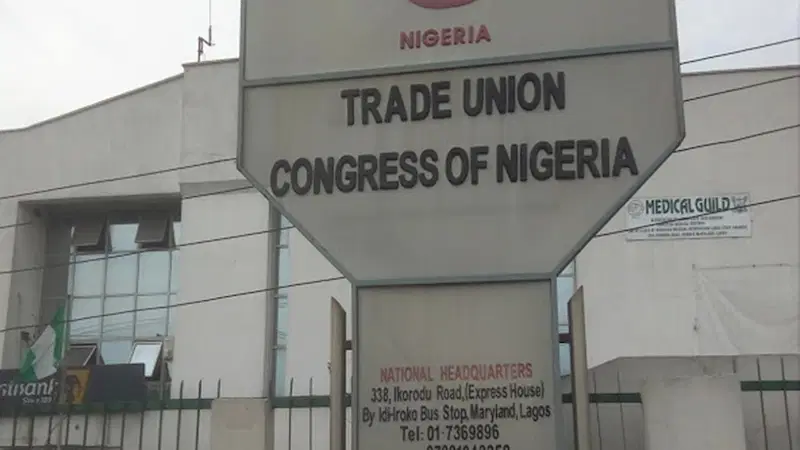
The Trade Union Congress of Nigeria has accused the management of Dangote Refinery and Petrochemicals of seeking to override the Nigerian Constitution to maximize profits, insisting that workers’ rights must not be sacrificed.
According to Bosun Olabiyi, Oyo State TUC Chairman, “No investor is bigger than Nigerian law. The Constitution is clear, and Nigeria is a signatory to global conventions that protect workers. Dangote cannot ask for an exception because of his investment”.
The TUC argues that workers at the refinery have the right to collective bargaining, citing Section 40 of the 1999 Constitution and International Labour Organisation Conventions 87 and 98 on freedom of association and collective bargaining. Olabiyi emphasized that unionization is not negotiable, stating “It is a lie from the pit of hell to say unions kill businesses. If unions have not killed Total, Mobil, Chevron, NNPC, NLNG or even the private universities where lecturers are free to unionise, then unionism will not kill Dangote Refinery”.
Dangote Refinery has invested over $20 billion in building the largest refinery in Africa, but TUC insists profit can’t come at the expense of workers’ welfare. The union demands Dangote refinery respect workers’ rights to unionize and engage in collective bargaining, citing similar disputes like the Baker Hughes case in 2016.

The TUC has also demanded the immediate and unconditional reinstatement of workers allegedly sacked by the management of Dangote Petroleum Refinery for joining the Petroleum and Natural Gas Senior Staff Association of Nigeria. Nuhu Toro, TUC’s Secretary General, warned that affiliates had been placed on red alert pending further directives, stating “No corporation, regardless of size or wealth, will be allowed to trample on the dignity and rights of Nigerian workers”.
Dangote Refinery has accused PENGASSAN and TUC of prioritizing union dues and personal interests over workers’ welfare. The refinery challenged the unions to publish their financial records, questioning the use of monthly check-off dues collected from workers.
The conflict between Dangote Refinery and PENGASSAN has sparked concerns about workers’ rights and the role of trade unions in Nigeria’s industrial landscape. The outcome of this dispute will likely have implications for workers’ rights and collective bargaining in the country.
