


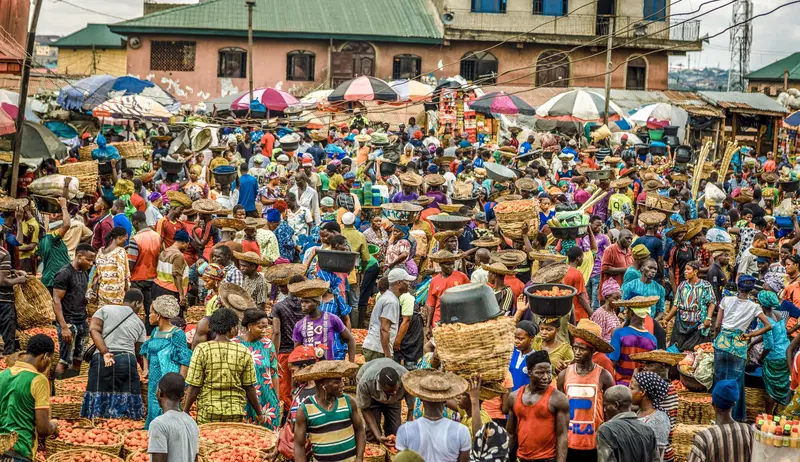
The Resource Centre for Human Rights and Civic Education (CHRICED) has cautioned against politicizing traditional market leadership in Nigeria, stressing that reforms in market structures must respect indigenous systems and cultural values.
This warning comes amid concerns over the introduction of the Iyaloja title in Edo State, which has sparked controversy and debate.
CHRICED’s Executive Director, Comrade Ibrahim M. Zikirullahi, emphasized the need for urgent reforms, saying, “Ministers and governors have turned to campaigners, ignoring the crises ravaging the land. INEC, constitutionally mandated to enforce electoral laws, has chosen silence. That silence is complicity.” He also called for an end to premature campaigning, full implementation of electoral laws, protection of civic space, and transparent investigations of corruption allegations.
A federal lawmaker from Edo State, Hon. Murphy Osaro Omoruyi, has condemned the attempt to introduce the Iyaloja title in the state, describing it as a brazen assault on Edo culture and an insult to the revered Benin throne. “Our traditions are sacred, and our throne is the custodian of our identity. We must never allow politics, opportunism, or personal ambition to erode the sanctity of our culture,” Omoruyi said.

The lawmaker urged Governor Monday Okpebholo to annul the purported installation and hold those behind it accountable. “The government must demonstrate, through firm and decisive action, that it stands firmly with our monarch and with the traditions of the Edo people,” he added.
The controversy surrounding the Iyaloja title highlights the complexities of cultural and traditional practices in Nigeria, with different regions having unique customs and systems. While the Iyaloja title is significant in Yorubaland, it is not part of the Benin tradition, and its introduction has been met with resistance from the Edo people.
CHRICED also renewed calls for Abuja to be recognized as Nigeria’s 37th state to restore dignity and political representation to its indigenous people. The organization’s call for reforms and respect for cultural values comes as Nigeria continues to grapple with the challenges of democratic governance.
