


Shell Nigeria and its partner Sunlink Energies have approved a $2 billion offshore gas project, marking another major investment in Nigeria’s energy sector.
The project, known as the HI Offshore Gas Development, aims to supply up to 350 million standard cubic feet of gas per day to Nigeria LNG (NLNG), reinforcing the country’s ambitions to expand its liquefied natural gas exports.
According to Shell’s Nigerian subsidiary, SNEPCo, the company will operate the project with a 40 percent interest, while Sunlink Energies holds the remaining 60 percent. The HI field is located about 50 kilometres offshore in waters roughly 100 metres deep, and production is expected to begin before the end of the decade. The field is estimated to hold recoverable resources of around 285 million barrels of oil equivalent.
Shell’s Upstream Director, Peter Costello, said the approval reflects the company’s commitment to Nigeria’s long-term energy development. “Following our investment decision in the Bonga deepwater project, today’s milestone underscores our continued belief in Nigeria’s potential. This project will strengthen our integrated gas portfolio while supporting Nigeria’s position as a key player in the global LNG market,” he said.

The Special Adviser to President Bola Tinubu on Energy, Olu Verheijen, described the project as a breakthrough that aligns with Nigeria’s broader gas expansion plan. “With the Ubeta FID and now the HI FID, we have secured the gas supply needed to make NLNG Train 7 not just possible but transformative,” she explained, highlighting its impact on jobs, energy access, and foreign exchange earnings.
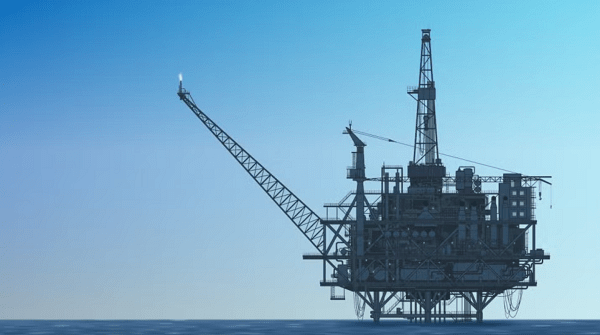
The project infrastructure will include a wellhead platform equipped with four production wells, a subsea pipeline for gas transport, and a new processing facility that will send treated gas to Bonny Island for export. Condensate from the field will also be routed to the Bonny Oil and Gas Export Terminal. Officials say the project will create hundreds of technical and non-technical jobs during its construction phase.
Energy experts have described the move as a strong vote of confidence in Nigeria’s offshore sector, noting that it will boost foreign investment and domestic gas supply. The Federal Government says the new project fits into its long-term plan to make natural gas the nation’s primary transition fuel while ensuring sustainable economic growth.
