


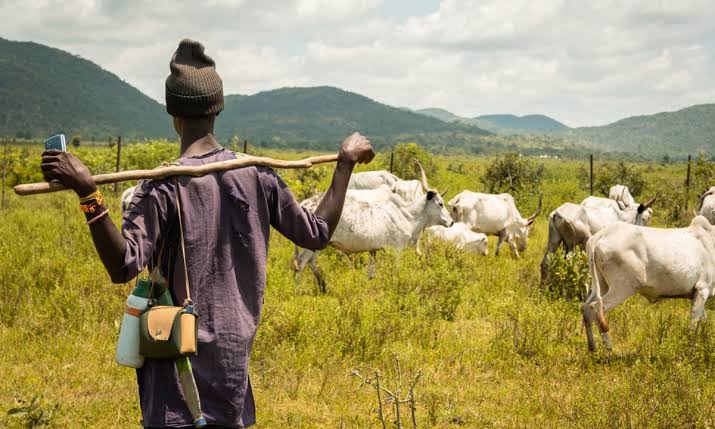
Nigerians have intensified calls for a total ban on open grazing following the rising cases of deadly clashes between herders and farmers across the country.
Many citizens and civil society groups say the frequent violence linked to open grazing has become a national concern and requires immediate action from the government to prevent further loss of lives.
Reports show that no fewer than 2,800 people have been killed between 2020 and 2025 in violent confrontations linked to the movement of cattle through farmlands. In 2024 alone, 61 incidents were recorded with 467 casualties, while more than 451 deaths have already been reported within the first eight months of 2025. States such as Benue, Plateau and Nasarawa have been among the worst affected.
Although 19 states across the country have laws prohibiting open grazing, especially in the southern region, many Nigerians believe enforcement has remained weak. Residents in affected communities argue that these laws exist only on paper with little political will to ensure compliance. One farmer in Benue State said, “We are tired of burying our people. The law is there but nobody is enforcing it.”

Some stakeholders blame the slow enforcement on the lack of strong security support at the state level. They argue that without state policing, local authorities are limited in their ability to check the activities of armed herders. Community leaders say the absence of proper enforcement encourages further attacks and retaliation between farmers and herders.
Meanwhile, the Miyetti Allah Cattle Breeders Association of Nigeria has maintained that pastoralism remains a long existing cultural practice and cannot be abolished overnight. The group explained that the shift to ranching would require huge financial support, saying that “ranching is capital intensive and must be properly funded if it is to work.”
Civil society organisations, farmers unions and traditional leaders are now urging the Federal Government to take stronger and more decisive action to stop the continued bloodshed. Many are calling for proper implementation of the grazing ban, a nationwide transition to ranching and stronger collaboration between security agencies and local communities to end the cycle of violence.
