

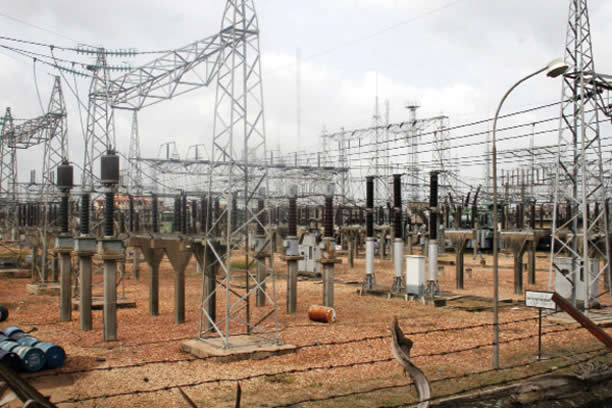
On 8 November 2025, Nigerian Independent System Operator (NISO), in collaboration with West African Power Pool Information & Coordination Centre (WAPP-ICC), successfully synchronised Nigeria’s national electricity grid, including its interconnections into Niger Republic and parts of Benin and Togo – with the broader West African regional network operating under the auspices of West African Power Pool.
This event marks a major milestone for regional energy integration in West Africa, as the task of creating a unified network operating at a single frequency enters a more advanced phase.
Below, I explore what this means for Nigeria, the region, and the challenges ahead.
Background: Why this Matters
The West African region has long recognised that individual national electricity systems suffer from under-utilised capacity, reliability issues, high costs, and supply/demand mismatches. The West African Power Pool was created to facilitate shared infrastructure, cross-border power trading, and ultimately a unified regional electricity market.
For Nigeria, the significance is especially large: the country has generation capacity that is often stranded (i.e., available but not reliably dispatched), a transmission network under strain, and a need to integrate into regional markets to both boost exports and improve domestic reliability.

In practical terms, the synchronisation test conducted between 05:04 and 09:04 on 8 November was the first successful test of its kind in many years – the last physical attempt in this region (for Nigeria) occurred in 2007 and lasted only about seven minutes.
What Was Done: The Synchronisation Test
-
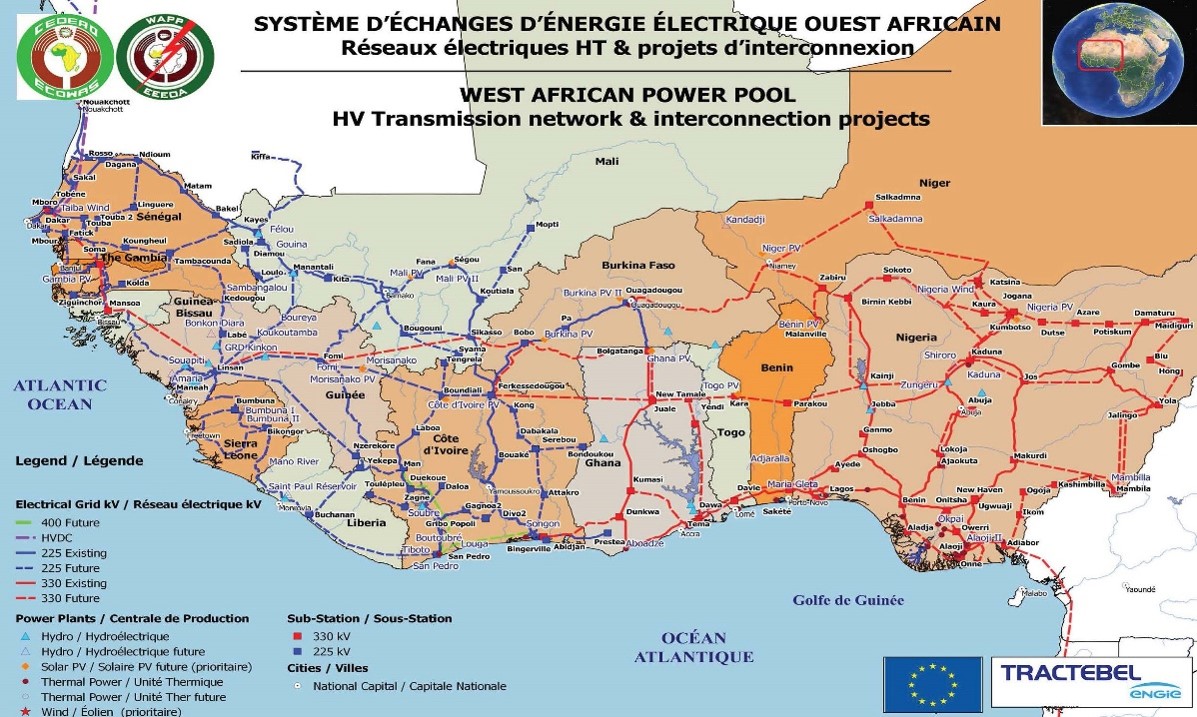
The grid of Nigeria (Area 1: Nigeria, Niger Republic, parts of Benin & Togo) was connected formally with the rest of West Africa (Areas 2 & 3).
-
Key technical enablers included improved system monitoring, stricter frequency control, harmonised operational standards across control centres, and real-time communication among participating system operators.
-
The goal: operate as a regionally unified grid at one frequency, enabling electricity to flow across borders more seamlessly, sharing reserve capacity, improving reliability, and lowering cost through collective efficiency.
Benefits for Nigeria
For Nigeria, this development offers several potential advantages:
-
Unlocking Stranded Generation Capacity
Nigeria has generation plants that are under-utilised due to transmission bottlenecks, inefficiencies, or demand constraints. With regional integration, excess generation could be exported or shared across borders, improving capacity utilisation and return on investments. -
Energy Exports and Foreign Exchange Earnings
Becoming part of a regional grid opens up cross-border sales of electricity, potentially yielding foreign exchange and boosting Nigeria’s position in the regional energy market. -
Improved Grid Resilience and Reliability
With a larger pool of interconnected systems, Nigeria can draw on reserve capacity from neighbouring grids, mitigate local blackouts, and share resources in emergencies—leading to a more stable supply. -
Access to Donor Funding/Investor Confidence
The milestone may open doors for international finance for critical transmission and sub-station projects (for example, the North Core Project in Birnin Kebbi, and the Ajegunle 330 kV Substation in Lagos) by demonstrating Nigeria’s commitment to regional integration. -
Leadership in Regional Energy Integration
As Africa’s most populous country and largest economy in the region, participating successfully strengthens Nigeria’s role and influence in West African energy policy.
Regional Implications
Beyond Nigeria, the synchronisation contributes significantly to broader West African goals:
-
Towards a Single West African Electricity Market
The integration supports the vision of a regional electricity market under the Economic Community of West African States (ECOWAS), where electricity flows freely, and generation is optimised across borders. -
Cost Reductions and Economies of Scale
Shared infrastructure and cross-border trade reduce redundancy and lead to economies of scale, which can lower costs for consumers across the region. -
Strengthened Energy Security
With interconnected grids, regional supply shocks in one country can be mitigated by imports from neighbours. This enhances collective energy security in West Africa. -
Renewable Energy Integration
A unified grid enables better integration of variable renewables (solar, wind) by smoothing out regional fluctuations; one country’s surplus can serve another’s demand.
Challenges and What to Watch
While the milestone is significant, several challenges need to be addressed to make full operational success:
-
Transmission Investment Gaps
Nigeria’s transmission network must be robust, efficient and expanded further to handle increased flows, maintain stability, and avoid bottlenecks. As noted in a project appraisal report, transmission expansion is integral to regional integration. -
Operational Harmonisation and Governance
Different countries have varied regulatory regimes, grid codes, and operational standards. Harmonising these across borders, especially for frequency control, load balancing, and fault management – remains complex. The successful test was aided by harmonised operational standards. -
Reliability and Quality of Supply
Nigeria still faces domestic supply challenges: generation shortfalls, distribution losses, and curtailments. Being connected to a regional grid doesn’t automatically solve those issues, internal reforms remain vital. -
Market Design and Trading Mechanisms
The region still needs robust electricity trading frameworks — how power will be priced, how cross-border flows are remunerated, how disputes are settled, how losses are allocated. The ambition is for a West African Electricity Market (WAEM). -
Physical Stability and Frequency/Voltage Control
Operating a large interconnected grid demands high technical precision in frequency and voltage control. Past attempts failed (e.g., in 2007) due to instability. -
Political/Institutional Risk
Regional integration depends on sustained political will, institutional capacity and maintenance of infrastructure — all vulnerable to changes in leadership, funding constraints or security issues.
Conclusion
The synchronisation of Nigeria’s grid with the rest of West Africa’s network is more than a technical feat — it’s a strategic step toward a more integrated, efficient, and resilient electricity system in the region. For Nigeria, the benefits could be profound: better utilisation of generation assets, export opportunities, improved reliability and elevated regional leadership.
However, the real work begins now: ensuring that the infrastructure, market mechanisms, operational standards and institutional frameworks are all scaled up and sustained. If successful, the West African grid could become a model not just for the continent, but for interconnected regional power systems globally.
