

The Lagos State Government (LASG), has confirmed plans for a major rehabilitation of the road corridor between Lekki and Ajah, spanning eight months from Saturday, November 15, 2025, to Wednesday, July 15, 2026.
In this period, there will be partial closure and traffic diversion along the stretch to allow for the works to proceed.
The project is to be carried out in two phases to reduce disruption:
-
Phase 1: From Lekki 1st Toll Gate to Lekki 2nd Toll Gate — work in seven sections, one lane closed at a time while the other remains open for traffic towards Lekki/Ajah.

-
Phase 2: From Lekki 2nd Toll Gate to the Ajah Under-Bridge — motorists coming from Ajah towards Lekki will be diverted to one lane while the other lane is repaired; movement toward Ajah will continue throughout.
Commissioner for Transportation, Oluwaseun Osiyemi, emphasized that although partial closures are inevitable, careful traffic management will aim to maintain access and reduce disruption.

Why Is This Happening?
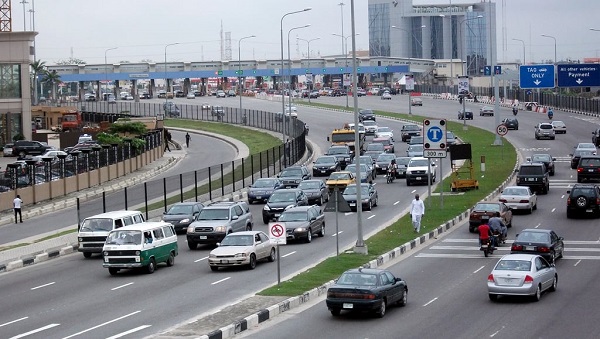
This stretch of road is one of Lagos’ busiest commuter and commercial corridors, but it suffers from severe congestion and infrastructure deterioration. For instance:
-
Prior to this announcement, residents along the Lekki–Ajah corridor reported gridlock lasting hours, transport fare hikes (from ca. N700–N1,000 to between N2,000 and N4,000) and flooding/road-deterioration contributing to the problems.
-
The government has acknowledged the need to improve the road quality, ease traffic flow, and reduce the “daily nightmare” of commuting along this route.
In that sense, the rehabilitation is both reactive (responding to existing problems), and strategic (aiming for improved road infrastructure and smoother traffic in the future).
What Should Motorists and Residents Expect?
-
Traffic Diversions & Lane Closures: While the work proceeds, one lane at a time will be closed, with the other lane kept open for movement in the designated direction as per phase.
-
Continued Access in One Direction: During Phase 1, traffic heading toward Lekki/Ajah will remain; during Phase 2, traffic toward Ajah will continue.
-
Requests for Patience & Cooperation: The Commissioner appealed to motorists to obey traffic officials and divert as directed, recognizing the inconvenience but stressing the long-term gain.
-
Alternative Routing/Planning Ahead: While the statement hasn’t listed all alternative routes in full detail, road users should plan journeys, allow extra time, and keep abreast of signage and road-authority announcements.
-
Start Date: November 15, 2025 — mark this in your travel planning if you regularly use the corridor.
What Are The Anticipated Benefits?
-
Improved Road Condition: Better surface, reduced potholes/flooding, more durable pavement.
-
Reduced Travel Time: Over the long term, smoother flow of traffic on the corridor should reduce delays.
-
Enhanced Safety: With rehabilitation and traffic management, the corridor should become safer for motorists and passengers alike.
-
Support for Economic Activity: The corridor is a vital route for commuters and businesses; improving it supports broader economic efficiency in Lagos State.
Some Caveats & What To Watch
-
Disruption in The Short‐Term: Despite efforts to minimise disruption, the partial closures and diversions will likely still cause delays, especially during peak hours.
-
Monitoring Alternative Route Capacity: If traffic is diverted, surrounding roads may see increased load — keep an eye on local traffic updates.
-
Quality of Work & Timeline: Sometimes such major works may face delays or lower-than-expected quality; the public should monitor progress and hold responsible agencies accountable.
-
Communication & Signage: The public will benefit from clear advance signage, real-time updates (via radio, social media, traffic apps) and ongoing engagement by the state authorities.
Conclusion
The Lagos State Government’s eight-month, phased rehabilitation of the Lekki–Ajah corridor marks a significant infrastructure move. While it will entail some inconvenience for road users during the construction period, the promise is of long-term improvement in travel conditions, reduced congestion, safer roads and better connectivity.
For those commuting this corridor, it’s a timely moment to plan ahead, adjust expectations, and stay informed about diversions and traffic management updates.
