


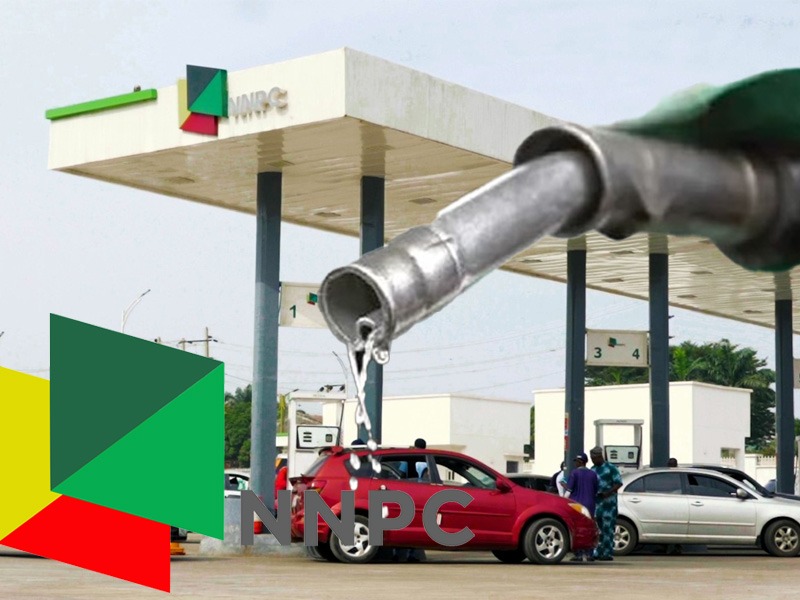
In a swift policy reversal, Nigerian filling stations across the country have begun reducing pump prices for petrol and diesel after the government suspended a planned 15 percent import duty on fuels. The decision is being met with relief by consumers and concern from some industry groups — marking a pivotal moment in Nigeria’s downstream petroleum sector.
Duty Suspension and Market Reaction
On Thursday, the Nigerian Midstream and Downstream Petroleum Regulatory Authority (NMDPRA), announced the 15 percent ad-valorem import duty on Premium Motor Spirit (PMS,) and Automotive Gas Oil (diesel), was “no longer in view.” The duty had been slated to take effect on November 21, 2025.
In its public statement, NMDPRA warned against hoarding, panic buying, and arbitrary increases in pump prices, urging marketers to maintain market-reflective pricing.
Ranoil and Empire filling stations on Friday reduced petrol pump prices to N940 and N949 per litre, respectively, down from N955.

Earlier this month, the Nigerian National Petroleum Company Limited had reduced its fuel pump price to 945 per litre in Abuja, while most filling stations are now also selling fuel between N940 and N955 per litre in Abuja and its environs.
Meanwhile, the ex-depot price of petrol at Dangote Refinery stood at N856 per litre, and depot owners such as Aiteo (N854), NIPCO (N858) and Pinnacle (N858).
Why the Government Backtracked
The duty, originally approved by President Bola Tinubu in October, was part of a broader framework to support local refining and reduce import dependence. But the plan was widely criticized: oil marketers warned it would sharply raise consumer costs, and some economists argued it would worsen inflation just as many Nigerians were already feeling economic strain.
Industry players cautioned that the duty could push pump prices above ₦1,000 per litre, potentially squeezing ordinary Nigerians.
The Impact: Fuel Prices Going Down
In response to the suspension, filling stations began lowering their prices. While an exact national average drop is still emerging, consumers in major cities report seeing meaningful reductions at the pump. The move has been interpreted by many as a direct benefit of the policy flip, alleviating some of the immediate cost burden on households and transport businesses.
Supply Assurance
Authorities say Nigeria has a “robust domestic supply” of petroleum products, coming from both local refineries and import channels, to ensure timely replenishment at depots and retail stations. NMDPRA has also pledged to closely monitor the market to prevent artificial scarcity.
Critics and Supporters Weigh In
Critics, particularly among independent importers, argue the suspension signals a retreat from longer-term goals like strengthening Nigeria’s refining capacity. Some worry that without the duty, imported fuel could continue to undercut domestic refineries, undermining investments in local refining infrastructure.
A Yoruba advocacy group went further, calling on the government to implement the duty fully and even ban fuel imports altogether, arguing that reliance on imports undermines national energy sovereignty.
Meanwhile, supporters of the suspension welcome the decision as a relief for consumers. In a country where fuel costs directly affect transport, food prices, and day-to-day living expenses, many see the move as timely — especially in the run-up to the year-end peak demand period.
What Comes Next
-
Regulatory Watch: NMDPRA says it will maintain strict oversight to guard against price gouging and hoarding.
-
Market Dynamics: The suspension could reshape how importers and refineries compete, potentially delaying some of the government’s plans for refining-led self-sufficiency.
-
Consumer Relief: For now, Nigerians appear to be catching a break, with lower prices at the pump and less risk of panic buying — at least until the policy environment shifts again.
Bottom Line: The lifting of the 15% import duty on petrol and diesel is a major win for consumers — but it also raises questions about Nigeria’s long-term strategy for refining capacity and energy independence. The coming weeks will be critical in determining whether this policy reversal leads to sustained supply stability or rekindles debates over tariff, refining, and regulation.
