


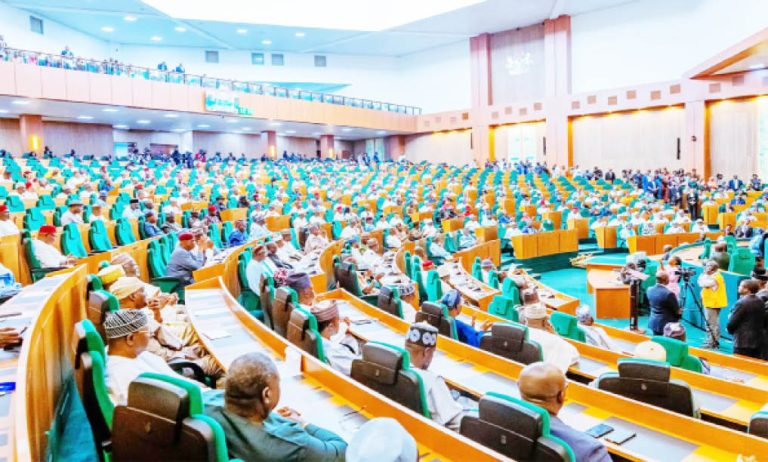
The drive to widen opportunities for young Nigerians gained fresh momentum as the House of Representatives passed two major youth-centered bills for second reading—one lowering the maximum age for government recruitment, the other reducing constitutional age requirements for top political offices.
Bill Seeks Constitutional Amendment for Political Eligibility
The constitutional amendment bill, titled ‘A Bill for an Act to Alter the Constitution… (HB. 2235),’ was sponsored by Esin Martin Etim of Akwa Ibom State, alongside twenty-four co-sponsors.
It proposes to lower the minimum age for candidates seeking election into the Senate and the office of Governor from 35 to 30 years, aligning with broader advocacy for youth inclusion in governance.
Current Age Limits Create Bottlenecks, Sponsor Says
Nigeria’s constitution currently pegs eligibility for the Senate and governorship at 35 years, while the House of Representatives is open to candidates from age 25.

Etim argued that the 10-year gap creates a barrier for young lawmakers who enter the House at 25 and complete two four-year terms by 33—yet remain ineligible to advance politically.
The bill, he noted, would shrink the gap to five years, ensuring a more realistic transition for youthful legislators aspiring to higher office.
Smooth Passage After Voice Vote
Speaker Tajudeen Abbas put the bill to a voice vote, which received overwhelming support from lawmakers.
It was subsequently referred to the House Committee on Constitution Review for further legislative action, including public input and stakeholder consultations.
Parallel Push to Lower Government Recruitment Age
In a related development, the House also debated a bill to reduce the maximum age for entry into federal ministries, departments, and agencies (MDAs), to 30 years, down from the current 35.
Proponents said the measure would open doors for younger Nigerians, ease youth unemployment pressures, and reflect the realities of delayed school completion, national service obligations, and a competitive job market.
Mixed Reactions as Debate Intensifies
While many lawmakers hailed both bills as progressive and necessary, others cautioned that tightening recruitment age limits may disadvantage older applicants who entered the labour market late due to structural challenges.
Still, the momentum behind the proposals suggests growing legislative commitment to youth empowerment in both public service and political leadership.
Next Steps in the Legislative Process
Both bills now proceed to their respective committees for detailed scrutiny. Stakeholder engagement, expert reviews, and public hearings are expected to shape their final versions before they return to the House for third reading.
