


In a dramatic incident Wednesday in Washington, D.C., two members of the West Virginia National Guard were critically wounded in a shooting just blocks from the White House. The suspect is now in custody after also being wounded. The attack — at the heart of the U.S. capital — has shaken federal authorities and sparked fierce condemnation, including from President Donald J. Trump.
What Happened: Details of the Shooting
-
The shooting occurred on November 26, 2025, near the Farragut West Metro Station, just a few blocks northwest of the White House.
-
According to authorities, the assailant approached one guardsman and opened fire, then shot a second as the soldier attempted to seek cover.
-
The two guardsmen — reportedly from West Virginia — were rushed to separate hospitals with “critical wounds.” Early reports mistakenly declared them dead, but officials later clarified that their condition remains uncertain.

-
The suspect was also wounded and taken into custody by law enforcement.
The shooting triggered an immediate security lockdown. The area around the White House and nearby federal buildings was cordoned off. Some flights at Ronald Reagan Washington National Airport were temporarily grounded amid the security alert.
Trump’s Reaction: “Steep Price” for the Shooter
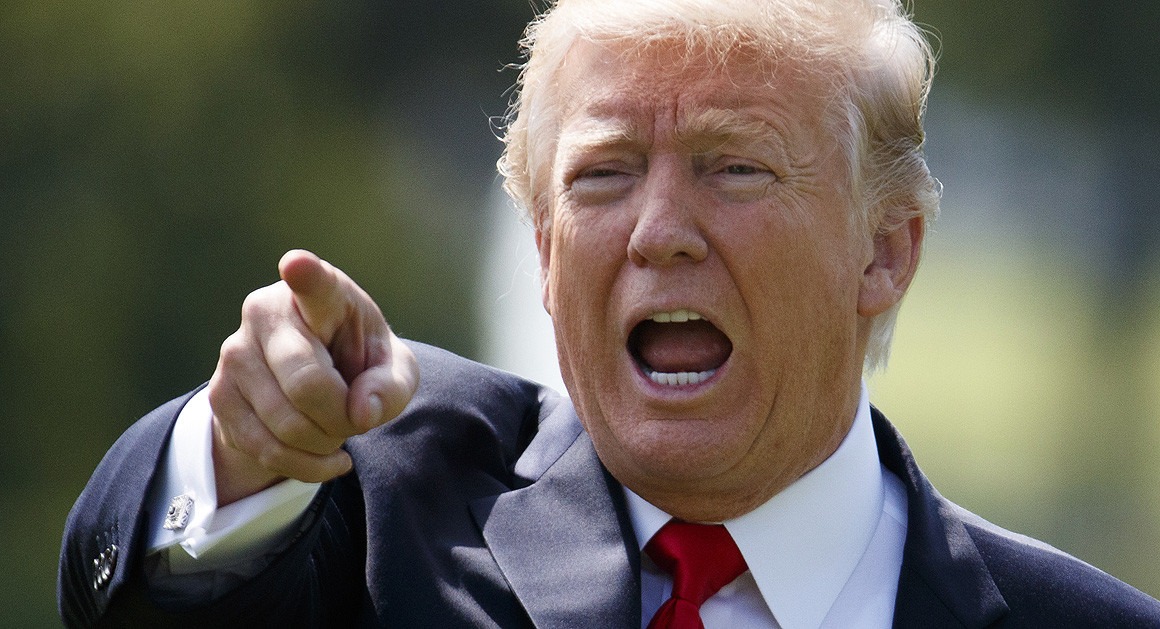
In response to the attack, Trump condemned the shooter in strong terms. In a post on his social media platform, Trump called the perpetrator an “animal,” and vowed that — regardless of the shooter’s own injuries — he “will pay a very steep price.”
He added: “God bless our Great National Guard, and all of our Military and Law Enforcement. These are truly Great People.”
Beyond the condemnation, Trump’s reaction underscores the high tensions surrounding the presence and mission of National Guard forces in Washington. The troops — including those from West Virginia — were deployed earlier this year under Trump’s orders, part of a broader crackdown on what his administration described as rising crime and instability in major U.S. cities.
Broader Significance and Context
-
The shooting highlights the dangers faced by National Guard soldiers on domestic deployment — even when their duties are not combat-related. What many assumed would be a patrol or security presence turned deadly within hours.
-
The incident raises immediate questions about motive. As of now, authorities say the suspect is not cooperating, and no clear motive has been released publicly.
-
For the Trump administration (and its supporters), the attack could become a rallying point to justify continued or expanded use of National Guard forces in cities. For critics, it raises concerns about militarisation, civil-military relations, and the risks of deploying soldiers in civilian environments under controversial mandates.
What Comes Next
Federal investigators — including the Federal Bureau of Investigation (FBI), and relevant law enforcement agencies — are now leading the probe. The priority will be to determine the motive, whether the attack was targeted or random, and whether any broader networks are involved.
Meanwhile, the condition of the wounded guardsmen remains uncertain — a fact that has added to the anxiety across government and military circles. The broader consequences for National Guard deployment policy, domestic security, and public safety remain to be seen.
The shooting near the White House — and Trump’s forceful reaction — mark a grim moment for U.S. security forces and highlight the risks that come with using soldiers on domestic patrols. As investigations proceed, many are watching, not just for justice, but for how this event reshapes the role of the National Guard in America’s cities.
