

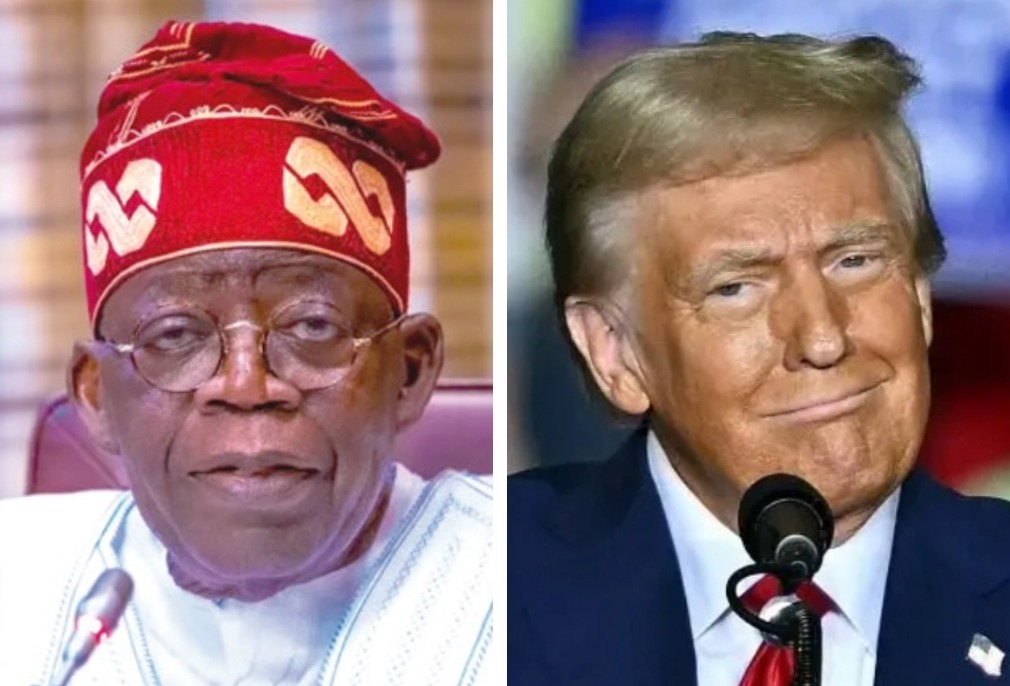
In a bold and controversial move, the administration of President Donald Trump has implemented new visa restrictions aimed at individuals and governments involved in the funding or support of atrocities against Christians in Nigeria.
This decision, spearheaded by U.S. Secretary of State Marco Rubio, has raised global attention due to the highly sensitive and volatile nature of religious violence in the region. The restrictions, announced on Wednesday via a post on Rubio’s official X account, focus on individuals and groups linked to the violence, particularly those who are alleged to be involved in the ongoing persecution of Nigerian Christians.
The new visa policy represents a significant step in the U.S. government’s broader strategy to hold accountable, those who perpetuate religious intolerance and violence, while signaling America’s commitment to defending religious freedom both domestically and abroad.
The restrictions are designed to prevent perpetrators from entering the United States, thus adding another layer of pressure on the Nigerian government and other actors complicit in the violence against religious minorities.

A Response to Religious Persecution
In his announcement, Secretary Rubio emphasized that the visa restrictions were part of a decisive action against those who knowingly direct, authorize, fund, support, or carry out violations of religious freedom. He highlighted that the U.S. would no longer tolerate the oppression of people based on their religious beliefs and underscored that the policy would not be limited to Nigeria.
“The United States is taking decisive action in response to the atrocities and violence against Christians in Nigeria and around the world,” Rubio wrote in his post. “The @StateDept will restrict U.S. visas for those who knowingly direct, authorize, fund, support, or carry out violations of religious freedom. This visa policy applies to Nigeria and other governments or individuals that persecute people for their religious beliefs.”
The policy, according to the State Department, will affect individuals and governments not only within Nigeria but also in other parts of the world where similar patterns of religious persecution exist. This is a part of a larger global effort to combat the growing trend of religious violence, particularly in regions where extremist groups target specific faith groups, such as Christians.
The Nigerian Government’s Denial of Genocide Claims
Despite the Trump administration’s assertive stance, the Nigerian government has strongly denied any ongoing genocide against Nigerian Christians. Government officials have maintained that the security challenges facing the nation are multifaceted and affect all religious groups, not just Christians.
According to Nigerian authorities, violence in our nation is often fueled by a combination of factors, including ethnic conflicts, regional insecurity, and the activities of terrorist groups like Boko Haram.
The Nigerian government’s position has been a source of contention among international observers and human rights organisations, many of which argue that Christians in the Middle Belt and northern regions of Nigeria have faced systematic attacks by jihadist groups and militia groups, resulting in thousands of deaths, mass displacement, and destruction of churches and Christian communities.
International human rights groups have consistently documented attacks on Christian villages, and several reports have characterized the situation as a religiously motivated genocide. The U.S. Department of State and independent watchdog organizations have raised concerns about the widespread nature of these atrocities, which they say are often perpetrated with impunity.
The Role of Terrorism Financing in Perpetuating Violence
One of the key components of the visa ban is its focus on individuals or entities involved in funding terrorism, which is seen as a critical driver of religious violence in Nigeria.
Financial support for extremist groups, such as Boko Haram and the Islamic State West Africa Province (ISWAP), has been identified as a major factor enabling these organisations to carry out their violent campaigns. The new visa restrictions are part of the Trump administration’s broader efforts to choke off the financial resources that sustain such groups.
The U.S. government has pointed to the role of financial backers—both inside Nigeria and abroad—in perpetuating violence against religious minorities. By restricting visas for those who are believed to be financially or materially supporting these groups, the Trump administration seeks to cut off one of the primary lifelines sustaining the violence.
This move aligns with broader U.S. efforts to combat terrorism financing globally and weaken the operational capabilities of extremist organizations that target civilians based on religion.
Global Implications and Reactions
The visa restrictions on individuals and entities implicated in violence against Nigerian Christians will have significant implications for U.S.-Nigeria relations. While U.S. officials have made clear that the visa ban targets individuals, not entire governments, the Nigerian government’s response will be crucial in determining the future trajectory of diplomatic ties.
Tensions between the two nations could escalate, especially if the Nigerian government perceives this as an infringement on its sovereignty or a condemnation of its handling of internal security issues.
The Nigerian government’s denial of any genocidal intent, coupled with its narrative of religious violence being a product of broader security challenges, highlights the complex nature of the conflict. For many Nigerians, the government’s response may be viewed as an attempt to deflect attention from the specific nature of the violence targeting Christians, which has drawn widespread condemnation from international religious and humanitarian groups.
On the other hand, the Trump administration’s decision to target specific individuals and groups responsible for these atrocities signals a tough stance on religious persecution and terrorism. The U.S. has made it clear that religious freedom is a fundamental pillar of its foreign policy, and it will take action against those who violate these principles—whether they are state actors or non-state groups.
Humanitarian and Legal Concerns
While the move has been praised by advocates for religious freedom and human rights, it also raises significant humanitarian and legal concerns. Critics of the policy argue that it could inadvertently punish innocent individuals, especially those fleeing violence who are seeking refuge in the U.S.
As is often the case in regions of conflict, determining who is truly responsible for atrocities can be complex, and blanket visa bans may affect vulnerable populations who are not directly involved in the violence.
Human rights organisations also warn that the policy may place additional strain on Nigeria’s already overstretched legal and political systems, particularly in the wake of internal displacement and the ongoing humanitarian crisis. The Nigerian government has expressed concern that the visa ban could further stigmatize the nation on the global stage, potentially damaging efforts to attract foreign investment or aid.
Conclusion
The Trump administration’s new visa ban targeting individuals and governments involved in supporting or financing genocide against Christians in Nigeria is a bold and decisive step in combating religious persecution.
By specifically addressing the issue of terrorism financing, the U.S. aims to weaken the financial networks that fuel religious violence and disrupt the operations of groups targeting Christians and other religious minorities.
However, the policy’s broader impact on U.S.-Nigeria relations, the Nigerian government’s response, and the humanitarian implications of the ban remain uncertain. As international attention turns to the situation in Nigeria, the U.S. government’s stance could serve as a powerful message about the importance of religious freedom, but it will also face challenges in balancing its commitment to human rights with the complexities of international diplomacy and conflict resolution.
