
Close Menu
Fishe News
  • Home
  • Entertainment
  • National
  • International
  • Tech
  • Politics
  • Sports
  • PMNI
  • More
    • Business
    • Culture
    • Education
    • History
    • Health
  • Featured
    • Fishe Travel
    • Fishe Media
    • Fishe TV
Facebook X (Twitter) Instagram
Trending
  • Tinubu Inaugurates A Task Force To Formulate Fresh Reforms In Nigeria’s Petroleum Industry
  • NDPC Cautions Content Creators Against Violating Citizens’ Privacy
  • “Comprehensive List Of 114 Nigerian Universities Authorised To Offer Law Programmes”
  • Zimbabwe President Hosts Rugby Africa Chief To Boost World Cup 2027 Plans
  • Chevron Appoints Emmanuelle Garinet, To Lead Exploration In Sub-Saharan Africa And The Americas
  • Tinubu Polytechnic, Epe University Receive ₦4bn Take-Off Grants From FG
  • FCCPC Reports Nigerians Are Most Exploited By Telecom And Energy Providers
  • “Petrol Price Hits ₦1,175 Per Litre As Dangote Responds To Crude Oil Surge Again”
X (Twitter) Instagram
Fishe NewsFishe News
Subscribe
Saturday, March 14
  • Home
  • Entertainment
  • National
  • International
  • Tech
  • Politics
  • Sports
  • PMNI
  • More
    • Business
    • Culture
    • Education
    • History
    • Health
  • Featured
    • Fishe Travel
    • Fishe Media
    • Fishe TV
Fishe News
Home»Business

“World Bank Cautions: Surge In AC Use Could Stress Nigeria, Other Countries’ Power Grids”

“As temperatures rise and more households adopt air conditioning, energy systems in developing countries face mounting pressure and risk of outages.”
FisheBy FisheDecember 14, 2025 Business No Comments4 Mins Read
Share Facebook Twitter LinkedIn Email WhatsApp

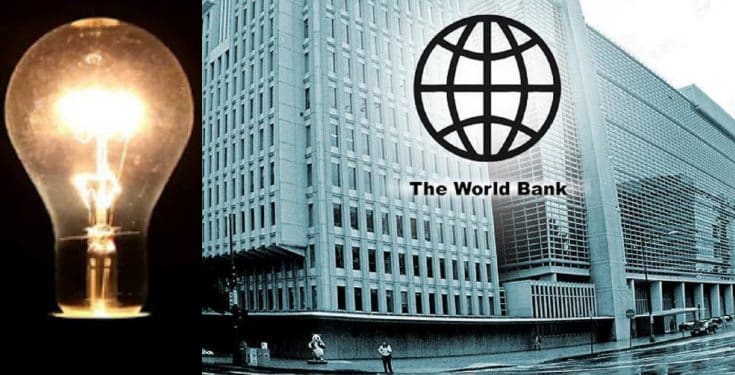
The World Bank has raised concerns that increasing reliance on air conditioning (AC) — a response to rising global temperatures and improving consumer purchasing power — risks placing significant stress on already strained power grids in Nigeria and other developing nations.

This warning highlights not only infrastructure challenges but also broader implications for energy policy, climate resilience, and economic development.

Heat, Urban Growth, and Rising Electricity Demand

As global temperatures rise due to climate change, heatwaves and hotter seasons are becoming more frequent and intense. This drives households and businesses to adopt AC units at a faster pace — a trend seen across Africa, Asia, Latin America, and other regions.

According to energy research, the stock of air conditioners worldwide is projected to grow sharply in coming decades, making AC demand one of the largest drivers of growth in global electricity consumption.



In regions with hot climates — like Nigeria — widespread AC adoption amplifies electricity demand during peak heat periods, when grids are already under pressure. Heat-driven spikes in AC use increase peak load stress, heighten the risk of blackouts, and strain aging power infrastructure that has historically struggled to keep pace with demand.

Nigeria’s Power Grid: Chronic Underinvestment and Capacity Gaps

Nigeria provides a stark example of how these trends intersect with infrastructure weaknesses:

  • Generation Capacity vs. Actual Output: Though Nigeria has an installed capacity of around 13,000 megawatts (MW), actual output consistently falls far below that level due to inefficiencies, maintenance issues, and fuel challenges. This gap means the grid struggles even under existing loads, without factoring in new peak demand from AC use.

  • Frequent Outages and Economic Impact: Grid instability has translated into repeated outages and significant economic losses. Businesses often rely on self‑generated power — such as diesel generators or captive power plants — which adds costs and environmental emissions.

  • Off‑Grid and Alternative Solutions: In response, many Nigerians are turning to off‑grid solutions — including solar mini‑grids and home systems — highlighting both a market adaptation and the limitations of centralised grid supply.

Broader Regional and Global Implications

The World Bank’s warning resonates beyond Nigeria’s borders. Many developing countries are facing similar dynamics:

  • Peak Demand Pressures: Heatwaves and increased AC adoption are already pushing grids in several countries to new demand records, exposing vulnerabilities on hot days when cooling needs soar.

  • Energy Efficiency and Emissions: Increased AC use generally implies higher electricity consumption and, depending on the energy mix, elevated greenhouse gas emissions. Improving AC efficiency and grid responsiveness is critical to balance cooling needs with sustainability goals.

Policy Options and Strategic Responses

To address the dual challenges of rising AC demand and fragile electrical infrastructure, policymakers and development partners — including the World Bank — advocate a combination of strategies:

  • Grid Modernisation and Expansion: Strengthening electricity transmission and distribution — through investments in technologies like smart grids and real‑time monitoring — can help manage peak demand and reduce outage risks.

  • Energy Efficiency Standards: Promoting and incentivising higher‑efficiency AC units reduces overall electricity draw and lowers peak loads.

  • Distributed and Renewable Energy: Distributed renewable solutions — such as solar photovoltaics coupled with battery storage — can provide localized power support that alleviates central grid burden.

  • Climate‑Adaptive Planning: Integrating climate risk into energy planning ensures long‑term resilience against heat‑driven demand surges.

Looking Ahead

The World Bank’s cautionary message underscores a critical tension faced by many emerging economies: as living standards improve and temperatures rise, energy systems must evolve rapidly or risk instability.

For countries like ours’, where electrification rates have historically lagged population growth and grids remain fragile, planning for rising cooling demand is both an energy challenge and a development imperative.

Incorporating efficiency measures, infrastructure investment, and climate resilience into national energy strategies will be essential to ensuring that electrification — and the comfort it brings — does not come at the cost of grid reliability and economic stability.

#Francis #NERC #stress AC Ad Agency Adegoke Adejuyigbe BRT Branding BRT TV Countries Electricity Fishe Media Fishe News Marketing Comms Nigeria Power Grids PR Surge World Bank
Share. Facebook Twitter LinkedIn WhatsApp
Fishe
  • Website
  • Facebook
  • X (Twitter)
  • Instagram
  • LinkedIn

We leverage creative and strategic design to amplify our clients’ products and services, capturing audience attention and transforming brand perception into real-world engagement. As a client-first B2B company, our experts are proactive, flexible, and responsive—delivering exactly what our clients need, when they need it, and before competitors do.

Keep Reading

Tinubu Inaugurates A Task Force To Formulate Fresh Reforms In Nigeria’s Petroleum Industry

NDPC Cautions Content Creators Against Violating Citizens’ Privacy

“Comprehensive List Of 114 Nigerian Universities Authorised To Offer Law Programmes”

Zimbabwe President Hosts Rugby Africa Chief To Boost World Cup 2027 Plans

Chevron Appoints Emmanuelle Garinet, To Lead Exploration In Sub-Saharan Africa And The Americas

Tinubu Polytechnic, Epe University Receive ₦4bn Take-Off Grants From FG

Add A Comment

Comments are closed.

Here is spotlighting many benefits of journeying with either Lagos State’s Blueline or Redline rails for a hassle-free day, week, month and year. Thank God for the Igbega Eko. Together we rise.
https://youtu.be/V67GV8wgyjw

Latest Posts

  • Tinubu Inaugurates A Task Force To Formulate Fresh Reforms In Nigeria’s Petroleum Industry
  • NDPC Cautions Content Creators Against Violating Citizens’ Privacy
  • “Comprehensive List Of 114 Nigerian Universities Authorised To Offer Law Programmes”
  • Zimbabwe President Hosts Rugby Africa Chief To Boost World Cup 2027 Plans
  • Chevron Appoints Emmanuelle Garinet, To Lead Exploration In Sub-Saharan Africa And The Americas
Featured
About Fishe

FISHE was founded with the goal of helping clients thrive in today’s highly competitive marketing environment. While other companies rush to abandon traditional marketing in favour of digital techniques, we’ve bolstered our offline marketing capabilities while also equipping our team with seasoned professional knowledge to support our clients’ digital needs.

Through creative designs, we enhance our clients’ products and services the right way that would attract their target audience, thus, making the perception of their company a reality.

  • LTV 8, Agidingbi Road, Alausa, Ikeja, Lagos.
  • +234 806 003 7277
  • info@gofishe.com
FISHE, Your Best Plug For Bus Stop Shelter Ad

LATEST POSTS

Tinubu Inaugurates A Task Force To Formulate Fresh Reforms In Nigeria’s Petroleum Industry

March 14, 2026

NDPC Cautions Content Creators Against Violating Citizens’ Privacy

March 14, 2026

“Comprehensive List Of 114 Nigerian Universities Authorised To Offer Law Programmes”

March 14, 2026

Zimbabwe President Hosts Rugby Africa Chief To Boost World Cup 2027 Plans

March 14, 2026

Chevron Appoints Emmanuelle Garinet, To Lead Exploration In Sub-Saharan Africa And The Americas

March 14, 2026
Featured

Subscribe to Updates

Get the latest news from FISHE about politics, economy, health and business, etc

Facebook X (Twitter) Instagram Pinterest
© 2026

Type above and press Enter to search. Press Esc to cancel.