


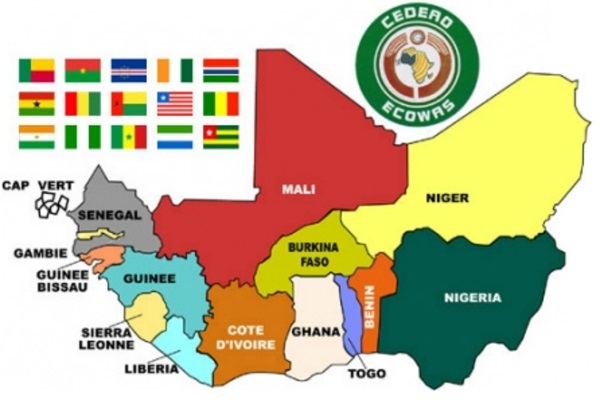
In a landmark decision aimed at boosting regional connectivity and making air travel more affordable, the Economic Community of West African States (ECOWAS), has directed its 15 member states to implement a 25 percent reduction in air transport charges, effective January 1, 2026.
The decision was announced at the conclusion of the 68th Ordinary Session of the ECOWAS Authority of Heads of State and Government held in Abuja, Nigeria.
Why the Reduction?
The move comes against a backdrop of persistently high airfares in West Africa — widely criticised by travelers, tourism stakeholders, and business communities alike. High aviation taxes and various airport charges have long been identified as major barriers to affordable travel, hindering intra‑regional mobility, tourism, and economic integration.
ECOWAS officials have framed the measure as a strategic effort to deepen integration, stimulate trade, and expand opportunities for people and goods across the sub‑region.

Scope of the Measures
Under the new directive:
-
Passenger service charges and security fees applied at airports across ECOWAS member states will be cut by 25 percent.
-
Member states are also expected to abolish certain air transport taxes altogether, notably non‑transport levies that have historically inflated ticket prices.
Together, these measures are intended to reduce the overall cost burden on airlines — savings that ECOWAS hopes will be passed on to passengers in the form of lower ticket prices.
Expected Impact
Analysts and aviation experts believe the directive has the potential to significantly reshape air travel within West Africa:
-
Lower fares and higher passenger volumes: A 25 percent reduction in core aviation charges — combined with the removal of select taxes — is projected to make regional travel considerably more accessible, potentially boosting passenger traffic and stimulating economic activity across member states. Early forecasts tied to the policy suggest improved demand and stronger performance in intra‑ECOWAS routes.
-
Enhanced regional integration: By tackling cost barriers, ECOWAS aims to reinforce its broader agenda of regional integration — aligning with initiatives like the ECOWAS Trade Liberalisation Scheme and efforts toward freer movement of people and goods.
-
Support for tourism and commerce: Reduced travel costs are expected to benefit tourism industries and cross‑border trade, creating new opportunities for small businesses and larger commercial sectors alike.
Political and Economic Context
The air transport decision was part of a broader set of resolutions at the Abuja summit, where leaders also reaffirmed commitments to democratic governance, security cooperation, and economic convergence. The policy underscores ECOWAS’s increasing focus on practical measures that directly affect citizens’ everyday lives, at a time when the region seeks to strengthen economic ties and enhance competitiveness on the African continent.
Implementation and Challenges
While the policy sets a clear timeline — beginning January 2026 — its success hinges on uniform implementation across all member states. Aviation stakeholders have noted the importance of harmonising regulatory frameworks and ensuring that cost reductions at airports are genuinely reflected in consumer pricing structures.
Moreover, some industry voices point to wider structural issues — such as airport infrastructure costs, fuel pricing, and foreign exchange constraints — that will also require attention to fully realize the potential benefits of the ECOWAS directive.
Looking Forward
As the implementation date approaches, airlines, regulators, and consumer groups across West Africa are preparing for a transition that could mark a new era in regional air travel. If successful, the ECOWAS initiative may not only lower costs for passengers but also serve as a model for similar regional integration efforts on the continent.
