

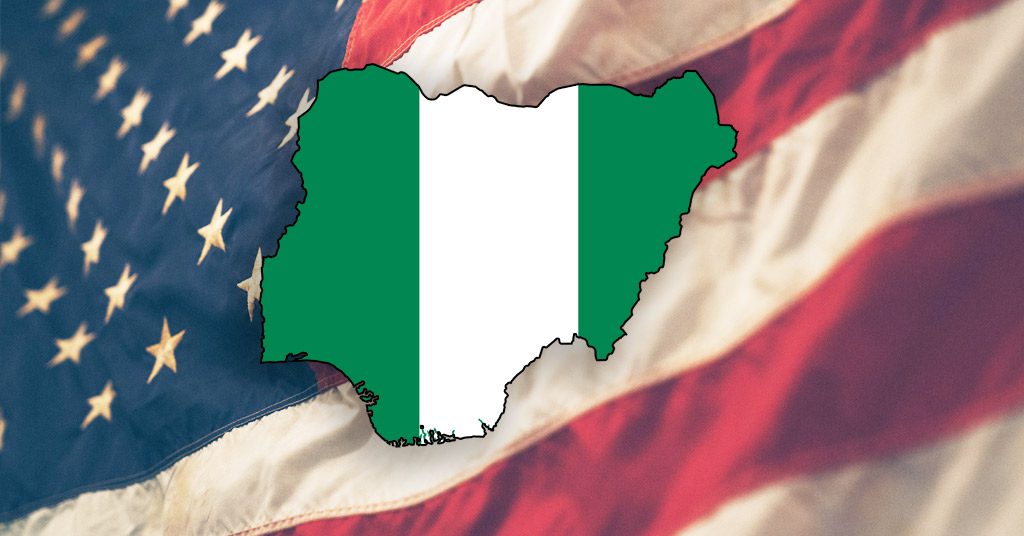
In a major and sudden shift in U.S. immigration policy, the United States government has officially added Nigeria to a list of countries now subject to partial travel restrictions, significantly altering how Nigerian citizens may obtain visas and enter the U.S. under new security and documentation standards.
What’s Happening?
On December 16, 2025, the U.S. administration announced an expansion of its existing travel ban regime. While some nations face a full ban on entry, Nigeria and several other countries have been placed under partial entry restrictions, meaning that U.S. authorities will impose tighter controls on visas and travel privileges rather than a complete prohibition.
According to the updated policy, 15 countries from Africa, the Caribbean, and the Pacific — including Nigeria — will face restrictions that could affect non-immigrant visas (such as tourist, business, student, and work visas), and families seeking to enter the United States.
Why Nigeria Was Added
The U.S. government has cited a series of concerns for placing Nigeria on the restricted list, highlighting issues such as:

-
Security vetting challenges
-
Fraudulent or unreliable documentation
-
High rates of visa overstays
-
Delays or failures in cooperating with deportation and information-sharing agreements
These concerns mirror patterns seen across several countries now newly listed for partial restrictions. U.S. officials argue that these factors make trustworthy screening of travelers more difficult.
What Partial Restrictions Mean
Unlike a full travel ban — which outright prohibits most nationals from entering the U.S. — partial restrictions typically involve:
-
Additional scrutiny during visa application processing
-
Limitations on certain categories of visas
-
More stringent documentation requirements
-
Potential pauses or delays in issuance for some classes of travelers
Travel for diplomats, some families of U.S. citizens, and certain exceptions may still be permitted under new policy guidelines (though details are still emerging).
Context: Wider Travel Policy Changes
This move forms part of a broader expansion of U.S. travel restrictions announced today, which also includes full travel bans on several nations and extended entry limitations based on national security concerns. The White House framed the changes as essential to strengthening border integrity and improving vetting for international travelers.
Earlier this year, U.S. authorities also revised Nigerian visa policy by cutting the validity of many non-immigrant visas to single-entry and three-month terms, citing policy reciprocity and global security concerns. While distinct from today’s announcement, that policy shift foreshadowed rising tensions and stricter entry protocols.
Reactions from Nigeria
Though official responses from Abuja are still coming in, analysts predict the move will trigger diplomatic engagement between Nigerian authorities and the U.S. government. Nigerian travel and business sectors are expected to lobby for clearer guidelines and reassurances to protect legitimate tourism, education, and family travel ties.
What Travelers Should Know
As a Nigerian passport holder planning travel to the United States:
-
Expect longer visa processing times and enhanced screening.
-
Prepare for strict documentation checks at both visa interview and border entry.
-
Stay updated with the U.S. Embassy in Abuja and State Department travel advisories for guidance. (For general travel safety advice, the U.S. State Department already recommends caution for travel within parts of Nigeria due to crime and security risks.)CIA
Bottom Line:
The U.S. designation of Nigeria as a country facing partial travel restrictions marks a significant change in bilateral mobility, with potentially far-reaching implications for travelers, students, business professionals, and families between the two nations.
As details continue to develop, prospective travelers are urged to stay informed and plan accordingly.
