

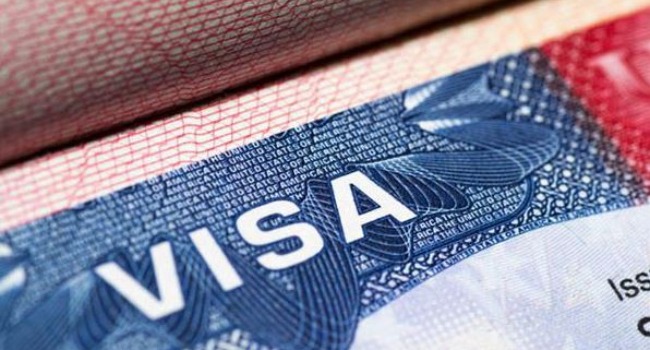
The United States government has announced a major shift in its visa policy that will affect Nigeria and 18 other countries, effective January 1, 2026, at 12:01 a.m. EST. The change comes under Presidential Proclamation 10998 on “Restricting and Limiting the Entry of Foreign Nationals to Protect the Security of the United States.”
According to the U.S. Department of State, visa issuance will be partially suspended for nationals of the following 19 countries:
Angola, Antigua and Barbuda, Benin, Burundi, Côte d’Ivoire, Cuba, Dominica, Gabon, The Gambia, Malawi, Mauritania, Nigeria, Senegal, Tanzania, Togo, Tonga, Venezuela, Zambia, and Zimbabwe.
Which Visas Are Affected?
The suspension impacts:

-
Nonimmigrant B‑1/B‑2 visitor visas
-
F, M, J student and exchange visitor visas
-
All immigrant visas, with limited exceptions
Exceptions Include:
-
Immigrant visas for ethnic and religious minorities facing persecution in Iran
-
Dual nationals applying with a passport of a country not subject to the suspension
-
Special Immigrant Visas (SIVs) for U.S. government employees
-
Participants in certain major sporting events
-
Lawful Permanent Residents (LPRs)
The Proclamation only applies to foreign nationals outside the United States on January 1, 2026, at 12:01 a.m. ESTwithout a valid visa at that time. Those who hold valid visas as of the effective date are not affected, and no visas issued before January 1, 2026, will be revoked.
Implications for Nigerian Applicants
For Nigerians and others impacted by the proclamation, this means:
-
New visa applications may be denied or delayed.
-
Applicants may still submit applications and schedule interviews, but issuance could be restricted.
-
Already issued visas remain valid; travelers holding valid visas can continue to use them.
U.S. Government’s Rationale
U.S. officials cited national security concerns, visa overstay rates, and limited vetting data from some countries as the basis for the suspension. For Nigeria, specific concerns relate to information sharing, screening, and security challenges in parts of the country.
The U.S. Ambassador to Nigeria emphasized that the restrictions are not targeted at Nigerians personally, but are intended to strengthen overall security procedures and vetting protocols.
Reaction and Diplomatic Engagement
The announcement has sparked reactions from governments, travelers, and civil society groups, with many preparing to engage U.S. counterparts to seek clarifications or exemptions. Critics argue that the sweeping nature of the restrictions could penalise ordinary travelers and students while doing little to address individual circumstances.
What Travelers Should Do
-
Check your visa status and ensure you have a valid visa before January 1, 2026, at 12:01 a.m. EST
-
Seek professional advice for applications affected by the proclamation
-
Follow updates from the U.S. Embassy in Nigeria or the U.S. Department of State
Summary:
Starting January 1, 2026, the U.S. will partially suspend visa issuance for nationals of Nigeria and 18 other countries in most immigrant and nonimmigrant categories. The new policy, under Presidential Proclamation 10998, includes limited exceptions for certain applicants, while visas issued prior to the effective date remain valid.
