


On the afternoon of Saturday, gunmen stormed Kasuwan-Daji market in Demo Village, within the Borgu Local Government Area of Niger State. The attackers, believed to have emerged from the National Park forest along Kabe District, opened fire on residents, set fire to the market and homes, and abducted several people — including women and children.
At least 30 villagers were killed, with some local accounts suggesting the toll could be significantly higher as families continue to search for loved ones still missing in the gunmen operations that crossed into Sunday. Survivors describe the assailants operating for hours in broad daylight, striking a community that had scant security presence to protect it.
This latest atrocity is not merely another entry in an increasingly grim catalogue of violence across northern Nigeria. It is a stark symbol of how emboldened bands of armed men can terrorise civilians, touch livelihoods, and leave communities broken.
Words of Condemnation — But Where Are the Guards?
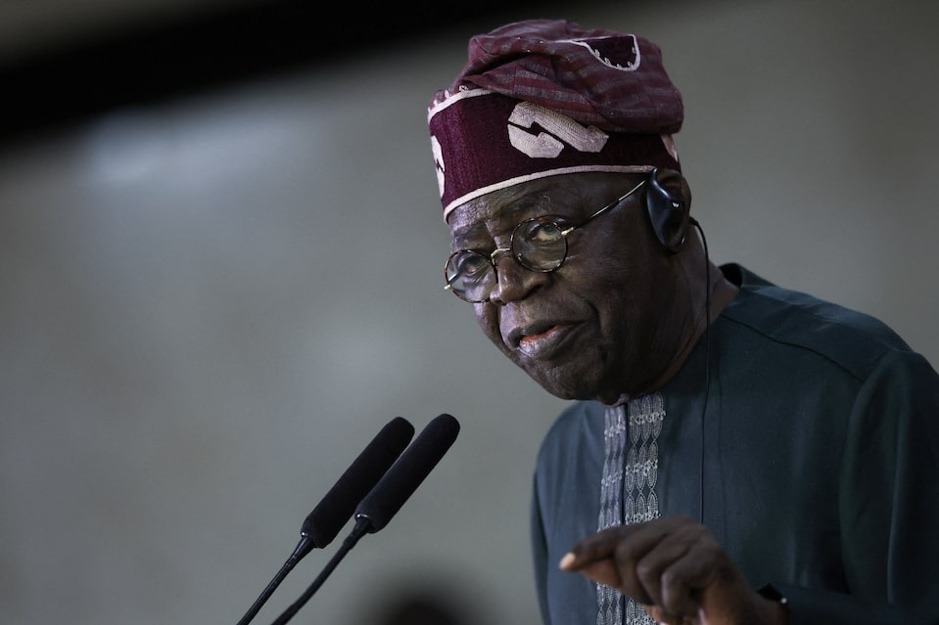
President Bola Ahmed Tinubu’s response has been unequivocal in tone: he swiftly directed the Minister of Defence, the Chief of Defence Staff, the Service Chiefs, the Inspector-General of Police, and the Director-General of the Department of State Services (DSS), to track down and apprehend those responsible for the Kasuwan Daji attack and bring them in jiffy to justice.

He also ordered the urgent rescue of all abducted victims and intensified security operations around vulnerable communities, especially those near forest hideouts exploited by armed gangs.
Such declarations matter: they signal empathy to victims and a commitment to state responsibility by President Tinubu. But declarations without protective boots on the ground ring hollow to villagers who watched their neighbours die while no security force arrived.
Justice Must Reach Beyond the Gunmen
The President’s insistence that “no matter who they are or what their intent is, they must be hunted down” and that all who “aid, abet, or enable them” will be brought to justice is critical. The scourge of banditry and terrorism in Nigeria is sustained not only by those pulling triggers but also by complex networks that profit from ransom, arms trafficking, and fear.
If authorities focus only on the attackers on the ground while leaving sponsors and accomplices untouched, the cycle of violence will only morph and grow. Effective justice must be comprehensive, swift, and impartial — no matter how politically or socially connected the facilitators may be.
Urgent Rescue Should Be More Than a Phrase
Among the most heart-wrenching aspects of the Kasuwan Daji raid are the abductions — including of women and children. Families now face an agonising wait for news of their loved ones, with the President’s directives placing these rescues at the top of the security agenda.
Timely, intelligence-led rescue operations would deliver not only bodies from danger but also a message to terrorists that the Nigerian state values its citizens’ lives. Each safe return will restore faith — not just in the state’s capabilities, but in its commitment to protect.
Fortifying the Forgotten Frontlines
Kasuwan Daji’s vulnerability was no secret. Remote communities near forests like those in Borgu, Papiri, and beyond have long been targets because of limited state presence. Bandits and armed groups exploit these margins, operating with relative impunity.
Reclaiming these areas requires more than episodic responses. What is needed is sustained deployment, better intelligence networks, community-police partnerships, and investment in infrastructure that integrates these regions into the national security framework rather than letting them drift on the periphery.
Unity and Humanity Are Strategic, Not Optional
President Tinubu’s appeal for Nigerians to stand together “as one people” and “confront these monsters in unison” resonates deeply in a nation fractured by fear and grief. But unity is not built on words alone; it is strengthened when victims see tangible solidarity — through support services, socioeconomic rebuilding, and transparent communication from authorities about progress and challenges.
Security is inseparable from trust. When families in Kasuwan Daji return to burnt-out homes and empty markets, they must see not only soldiers in uniform but also policies that rebuild hope.
From Promise to Peace
As the nation mourns, the spell of violence still hangs over too many communities. The President’s directives are a starting point — a necessary call to action. But Nigerians will judge leadership not by statements, but by arrests made, hostages freed, markets rebuilt, and daily life restored – in alignment with the promise of the President Tinubu’s brand: Renewed Hope.
This is a pivotal moment. Nigeria must turn resolve into results — not just for the people of Kasuwan Daji, but for all who yearn to live without fear in their own homes.
For peace to be reclaimed, it must be lived.
May Nigeria succeed.
