

First, what is changing?
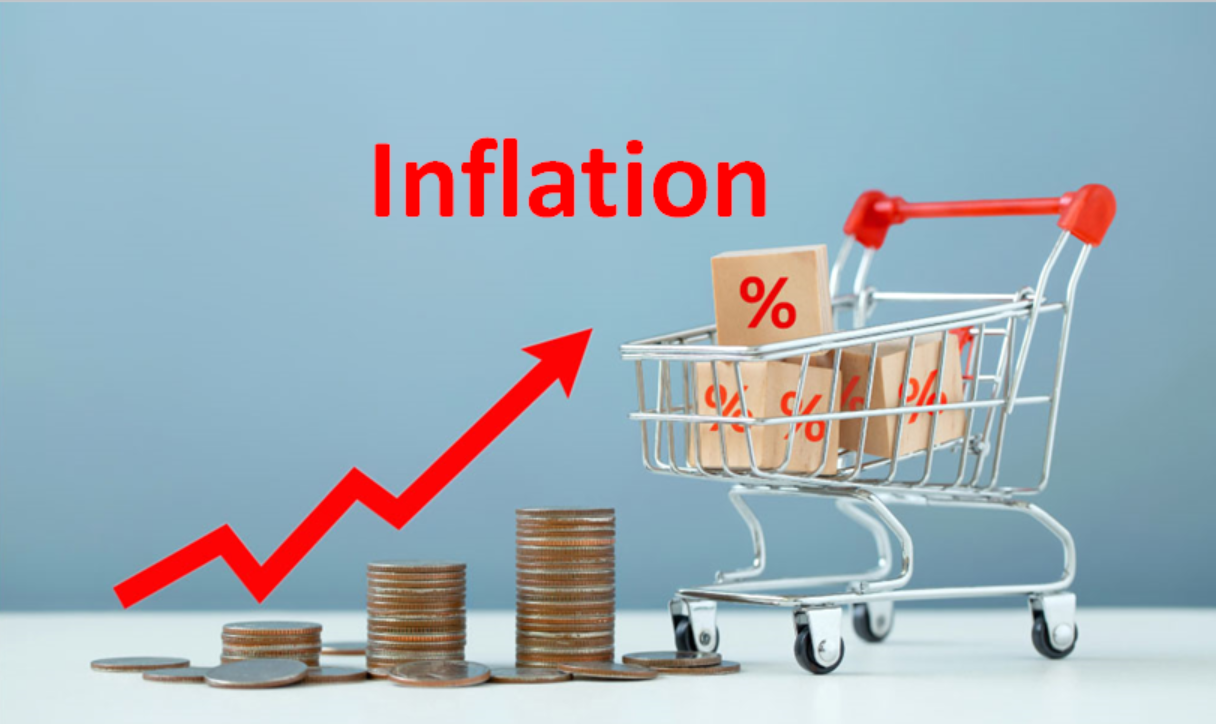
Inflation measures how fast prices are rising. The National Bureau of Statistics (NBS), is adjusting how it calculates inflation so that temporary or unusual price jumps do not create misleading spikes in the official figures. This does not mean prices will suddenly fall. It means inflation data should better reflect what people are actually experiencing over time.
What This Means for Everyday Nigerians
1. A clearer picture of the real cost of living
When inflation numbers jump sharply because of one-off events—such as seasonal food shortages or short-term supply disruptions—it can make things look worse (or sometimes better), than they truly are.
With the revised method, inflation figures should:
-
Better match everyday shopping experiences
-
Reduce sudden, confusing swings in reported inflation

-
Help households understand whether prices are steadily rising or just temporarily spiking
2. Better-informed government decisions
Inflation data influences decisions on:
-
Minimum wage discussions
-
Social intervention programmes
-
Fuel, transport, and food policies
More accurate data means policies are more likely to reflect real household pressures, rather than reacting to short-term distortions.
3. Reduced panic and uncertainty
Sharp inflation spikes often trigger fear—people rush to buy goods, traders increase prices further, and expectations worsen.
Smoother, more realistic data can help:
-
Calm inflation expectations
-
Reduce panic buying
-
Slow down price increases driven purely by fear
4. No immediate relief, but better long-term outcomes
It is important to be clear:
-
This change does not instantly reduce prices
-
Food, rent, transport, and energy costs may still be high
However, clearer inflation data helps authorities respond more effectively, which can improve economic stability over time.
What This Means for Business Planning in Nigeria
1. More reliable data for pricing decisions
Businesses rely on inflation figures to decide:
-
How often to raise prices
-
By how much to adjust prices
When inflation data is distorted by short-term spikes, companies may overreact.
A better measurement approach helps firms:
-
Avoid unnecessary price hikes
-
Plan gradual, realistic adjustments
2. Improved budgeting and cost forecasting
Inflation affects:
-
Raw material costs
-
Transport and logistics
-
Wages and operating expenses
With smoother inflation trends, businesses can:
-
Build more accurate budgets
-
Forecast costs with greater confidence
-
Reduce sudden shocks to cash flow
3. Better wage and salary planning
Many employers use inflation data during salary reviews. More accurate figures can:
-
Support fairer wage negotiations
-
Reduce tension between workers and employers
-
Help firms balance staff welfare with financial sustainability
4. Increased confidence for investors and lenders
Investors and banks closely watch inflation to assess risk. Reliable data:
-
Improves confidence in economic planning
-
Supports long-term investment decisions
-
Reduces uncertainty around interest rates and borrowing costs
This is especially important for small and medium-sized businesses that depend on loans or investor funding.
The Bottom Line
For everyday Nigerians, the change means inflation figures should better reflect real-life price pressures, not short-term noise.
For businesses, it provides a more stable and trustworthy foundation for pricing, budgeting, and investment decisions.
While it will not immediately make goods cheaper, improving how inflation is measured is a crucial step toward better economic planning, clearer communication, and stronger confidence across the economy.
