


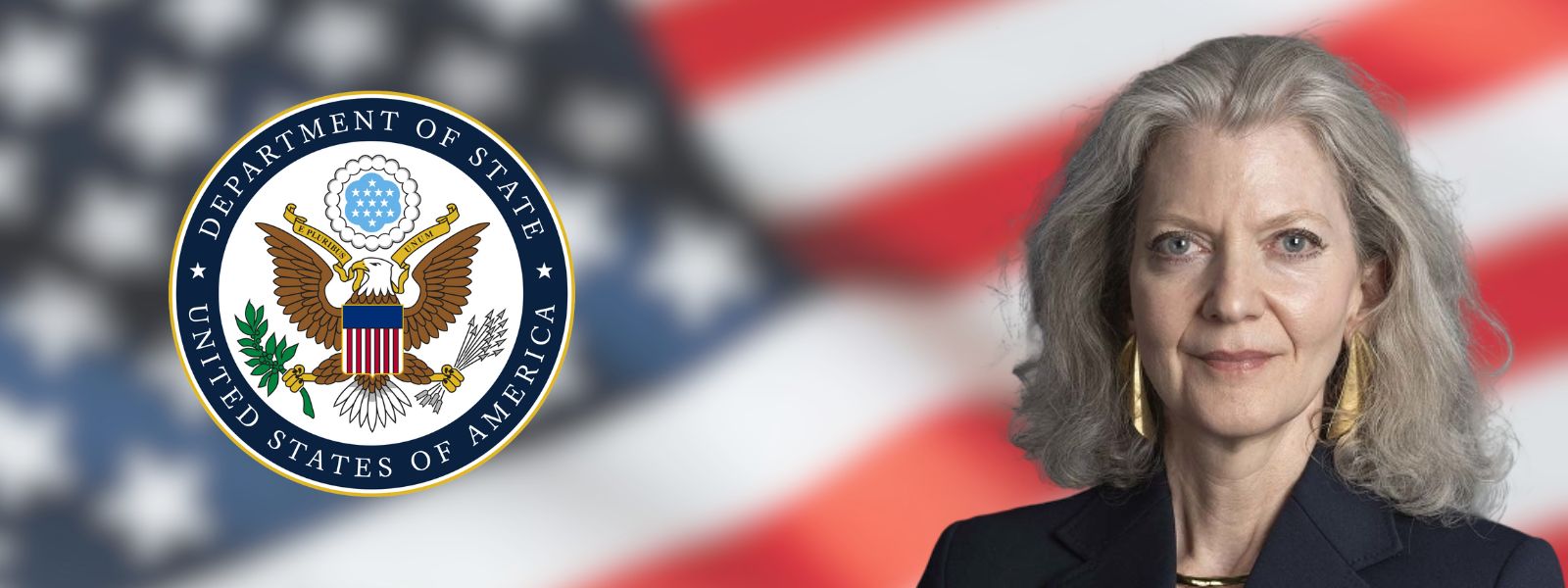
In a significant display of U.S. diplomatic engagement across Africa, the Middle East, and Europe, Under Secretary of State for Political Affairs Allison Hooker has embarked on a high‑level foreign visit spanning four countries from January 21 to 29, 2026. The trip reflects a broad set of U.S. foreign policy priorities, including security cooperation, religious freedom advocacy, economic engagement, and multilateral cooperation on global crises.
Nigeria: Joint Working Group, Security, and Investment Partnerships
The first leg of Under Secretary Hooker’s trip is in Abuja, Nigeria, where she leads the U.S.–Nigeria Joint Working Group—a bilateral mechanism established to bolster cooperation on shared challenges and priorities.
During her time in Abuja, Hooker’s discussions focus on:
-
Protection of vulnerable communities, particularly Christian populations affected by violent extremism and intercommunal conflict. Her visit comes amid international concern over attacks that have impacted religious minorities in Nigeria.
-
Counter‑terrorism cooperation with Nigerian authorities to enhance joint efforts against violent extremist organizations, including coordination on intelligence sharing and security assistance.

-
Expanding U.S. investment opportunities in Nigeria’s economy, particularly by encouraging American private sector involvement in energy, technology, agriculture, and infrastructure.
Officials from both nations highlight the importance of these talks in strengthening the long‑standing partnership between Washington and Abuja—especially as Nigeria continues to confront security, humanitarian, and economic pressures.
Oman and Bahrain: Strategic Dialogues in the Gulf
Upon completing discussions in Nigeria, Under Secretary Hooker travels to Muscat, Oman, and Manama, Bahrain, where she co‑chairs separate strategic dialogues with each host government.
These dialogues are designed to deepen cooperation across a spectrum of security, economic, and cultural issues, reflecting:
-
Shared interests in regional stability and counterterrorism, especially in the context of evolving dynamics in the Middle East.
-
Economic and trade cooperation, including opportunities to enhance bilateral commerce and investments.
-
Cultural and people‑to‑people exchanges as avenues for fostering closer ties between the U.S. and Gulf partners.
The strategic dialogues build on existing U.S. partnerships in the Gulf and aim to reinforce mutual commitments at a time of shifting geopolitical trends in the broader Middle East region.
Rome: Global Priorities and Multilateral Engagement
The final stop on Hooker’s itinerary is Rome, Italy, where she engages with European counterparts and United Nations agencies on key global issues.
In Rome, her discussions emphasize:
-
The Russia‑Ukraine war, reaffirming U.S. support for Ukraine and coordination with allies on security and humanitarian assistance.
-
Developments in Venezuela, including diplomatic efforts and strategies to support democratic governance and regional stability.
-
Peace in the Middle East, exploring diplomatic frameworks to advance negotiations and reduce tensions.
Beyond these geopolitical concerns, Hooker is scheduled to meet with senior officials from the World Food Programme (WFP), and the Food and Agriculture Organization (FAO)—two Rome‑based U.N. agencies. Discussions with these entities will focus on:
-
Accountability and oversight for U.S.‑funded assistance programs, ensuring that aid delivery remains transparent and effective.
-
Creating new agricultural trade opportunities for American farmers, linking U.S. agricultural production with global food security needs.
These engagements underscore the United States’ interest in leveraging diplomatic channels to address both humanitarian challenges and economic opportunities on a global scale.
Implications of the Trip
Under Secretary Hooker’s diplomatic mission signals a multidimensional approach to U.S. foreign policy:
-
In Africa, the focus on security cooperation and investment indicates a recommitment to stronger bilateral ties with Nigeria, a pivotal regional player.
-
In the Middle East, strategic dialogues with Oman and Bahrain reinforce enduring partnerships in a region critical to global energy and security frameworks.
-
In Europe, engagement with multilateral institutions highlights the U.S. role in addressing complex international challenges spanning conflict, humanitarian aid, and global trade.
Overall, the visit reflects an integrated diplomatic effort to advance U.S. interests and global leadership while supporting host countries’ priorities across security, economic, and humanitarian dimensions.
