


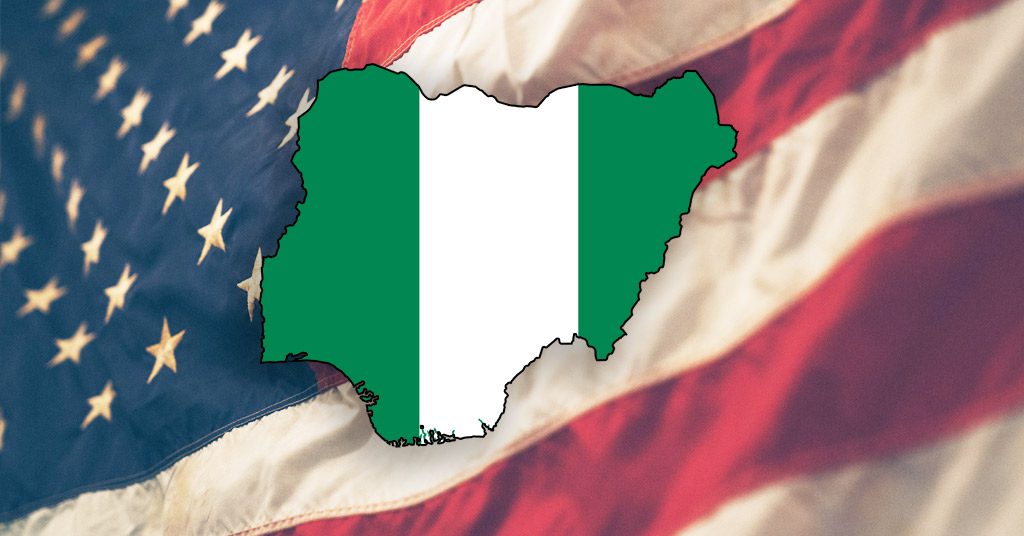
On Wednesday, February 4, 2026, the United States Congress convened a fresh session to examine allegations of genocide and religious persecution in Nigeria — particularly claims that violence against Christian communities has reached levels that necessitate urgent international scrutiny. The hearing, titled “Defending Religious Freedom Around the World,” is jointly held by the House Foreign Affairs Committee’s Subcommittee on Africa and the Subcommittee on the Western Hemisphere.
This session comes amid growing debate within the US legislature and broader international community over how to classify and respond to Nigeria’s persistent insecurity, which has seen thousands of civilians killed, displaced, or targeted in attacks by extremist groups and criminal networks.
What the Hearing Will Cover
According to written testimonies released ahead of the session, witnesses will address:
-
Patterns of violence and insecurity in Nigeria, including recurring attacks, displacement, and threats to communities of faith.
-
Allegations that Nigeria is becoming a flashpoint for religious violence, with some testimony suggesting early signs of a widening conflict between religious communities.

The scheduled witnesses include several prominent figures in international religious freedom and human rights advocacy:
-
Sam Brownback, former US Ambassador-at-Large for International Religious Freedom, who in his written testimony described Nigeria as “the deadliest place on the planet to be a Christian.”
-
Mark Walker, Principal Advisor for Global Religious Freedom at the US State Department.
-
Grace Drexel, daughter of detained Chinese pastor Ezra Jin, focusing on persecution of faith communities.
-
Dr. Stephen Schneck, former chair of the US Commission on International Religious Freedom, who warns that religious freedom is facing a “historic crisis” globally, with Nigeria among the key countries where insecurity exacerbates threats to believers.
Collectively, the testimony is expected to emphasise how religious identity can become a target in violent environments, even where the drivers of conflict overlap with issues such as weak governance, criminality, and insurgency.
Why This Session Matters
This session is not the first time Congress has turned its attention to Nigeria’s complex security landscape — but it reflects heightened concern in Washington over how to characterise violence in Nigeria and whether US foreign policy tools should be applied more forcefully:
-
Last year, former President Donald Trump redesignated Nigeria as a Country of Particular Concern (CPC) — a status for nations accused of grave religious-freedom violations — a move that sparked debate and raised the possibility of sanctions.
-
Opponents of the genocide framing in both the US Congress and diplomatic circles argue that doing so oversimplifies Nigeria’s multifaceted security crisis, which includes Boko Haram, ISWAP, banditry, and communal conflict affecting both Christians and Muslims.
Moreover, some members of Congress — including Democrats — have criticised the idea of military intervention or overly simplistic narratives that frame the crisis predominantly in religious terms, warning that this could worsen tensions and distort policy responses.
Nigeria’s Response and Diplomatic Tensions
Nigerian authorities have consistently rejected claims of systematic “Christian genocide”, describing the narrative as misleading and harmful to national unity. For months, Nigeria’s Senate and government officials have sought to craft detailed responses to these allegations and engage US lawmakers diplomatically to clarify their position.
Officials argue that Nigeria’s security challenges are driven by overlapping factors — including resource competition, climate pressures, weak institutions, and insurgent violence — which affect people of all faiths. They caution that framing the conflict purely in religious terms risks deepening divisions without addressing root causes.
Broader Implications
This hearing comes against a backdrop of wider discussion on US foreign policy toward Nigeria:
-
If Congress decides to escalate punitive measures — such as sanctions or restrictions on aid — it could strain diplomatic relations and impact bilateral cooperation on security and economic partnerships.
-
Conversely, continued pressure and dialogue might push Nigerian authorities to accelerate reforms in security and community protection policies.
At stake is not only how the United States defines religious freedom violations and potential genocide, but also how it balances humanitarian concerns with respect for Nigerian sovereignty and the complexities of a diverse, populous nation facing long-standing insecurity.
