


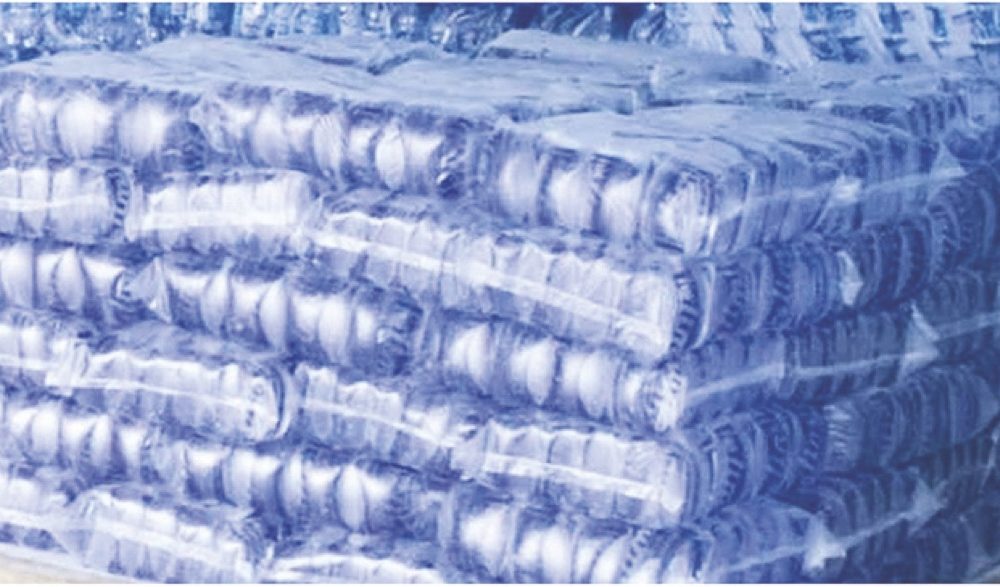
Sachet water, popularly known as “pure water,” is one of the most affordable and widely consumed sources of drinking water in Nigeria. It plays a crucial role in providing safe and accessible water to millions of Nigerians, especially in urban areas where access to potable water is limited.
However, in recent years, sachet water producers across the country have repeatedly increased the price of the product due to rising production costs and economic challenges. These increases have sparked concern among consumers and stakeholders, as sachet water remains an essential daily commodity.
Background of Sachet Water Production in Nigeria
The sachet water industry in Nigeria has grown significantly over the past two decades. Small-scale and medium-scale producers dominate the sector, supplying packaged drinking water in sealed plastic sachets to markets, street vendors, and retailers. The industry also contributes to employment by engaging factory workers, drivers, distributors, and retailers.
Sachet water is typically sold in bags containing about 20 sachets, each approximately 50cl. Over time, the price has steadily increased due to economic changes. For instance, the price that was once about ₦5 per sachet in the early 2010s has risen significantly, with some areas now selling a sachet for about ₦50 and a bag between ₦400 and ₦500.

Recent Increase in Price of Pure Water
Recently, sachet water producers announced a further increase in the price of pure water. In some states, a bag containing 20 sachets that previously sold for about ₦300 has increased to approximately ₦500, representing a price rise of about 67 percent.
Retailers have also adjusted their prices accordingly. As a result, individual sachets are now commonly sold for ₦50 each, while some vendors sell three sachets for ₦100 depending on location and demand.
Producer associations have stated that the increase is necessary for businesses to survive amid worsening economic conditions and rising operational expenses.
Factors Responsible for the Price Increase
1. Rising Cost of Production Materials
One of the major reasons for the price hike is the increased cost of packaging materials, particularly nylon used for sachets. The price of nylon used in packaging has risen drastically, forcing producers to spend more on raw materials. For example, the price of packaging materials reportedly increased from around ₦1,100 per kilogram to about ₦3,600–₦3,700 within a short period.
2. High Cost of Diesel and Fuel
Most sachet water factories depend on diesel generators due to unreliable electricity supply. The rising cost of diesel has therefore significantly increased production expenses. Diesel used to power machines and pumps has become several times more expensive, forcing manufacturers to raise product prices to cover operational costs.
3. Inflation and Currency Devaluation
Nigeria’s economic challenges, including inflation and the depreciation of the naira, have also contributed to the increase in production costs. Many machines, filters, and water treatment equipment used by producers are imported and paid for in foreign currency, making them more expensive when the naira weakens.
4. Increased Transportation Costs
Transportation costs have also risen sharply due to higher fuel prices and vehicle maintenance costs. Distributing sachet water to retailers across cities and rural areas requires trucks and delivery vehicles, and the rising cost of fuel has increased distribution expenses.
5. Labour and Operational Expenses
Producers also face increased labour costs, as workers demand higher wages to cope with rising living costs. In addition, factory maintenance, equipment repairs, and regulatory compliance add to operational expenses.
Impact of the Price Increase
1. Financial Burden on Consumers
The price hike has created additional financial pressure on Nigerians, particularly low-income earners who rely on sachet water as their main source of drinking water. Many consumers now find it difficult to purchase pure water regularly.
2. Reduced Consumption
Some vendors and consumers report a decrease in sales because people are buying fewer sachets due to higher prices.
3. Shift to Alternatives
In some areas, residents are turning to alternative sources such as tap water, boreholes, or locally stored water due to the rising cost of sachet water. This shift may pose health risks if the alternative water sources are not properly treated.
4. Pressure on Small-Scale Producers
Small-scale sachet water factories are also under pressure. Some producers struggle to keep their businesses running because the rising cost of materials, power supply, and equipment has reduced their profit margins.
Government and Regulatory Concerns
Government agencies such as the National Agency for Food and Drug Administration and Control (NAFDAC), regulate the sachet water industry to ensure quality and safety standards. However, rising production costs have raised concerns that some unregistered producers may cut corners and produce substandard water to reduce expenses.
Authorities and industry associations continue to encourage producers to maintain hygienic standards despite the economic challenges.
Conclusion
The increase in the price of sachet water reflects the broader economic challenges affecting Nigeria. Rising costs of production materials, fuel, transportation, and equipment have forced producers to raise prices in order to remain in business.
While the price adjustment may be necessary for producers, it has placed additional pressure on consumers who rely on sachet water as a daily necessity.
Addressing issues such as stable electricity supply, inflation control, and improved water infrastructure could help reduce production costs and stabilise the price of sachet water in the future.
