

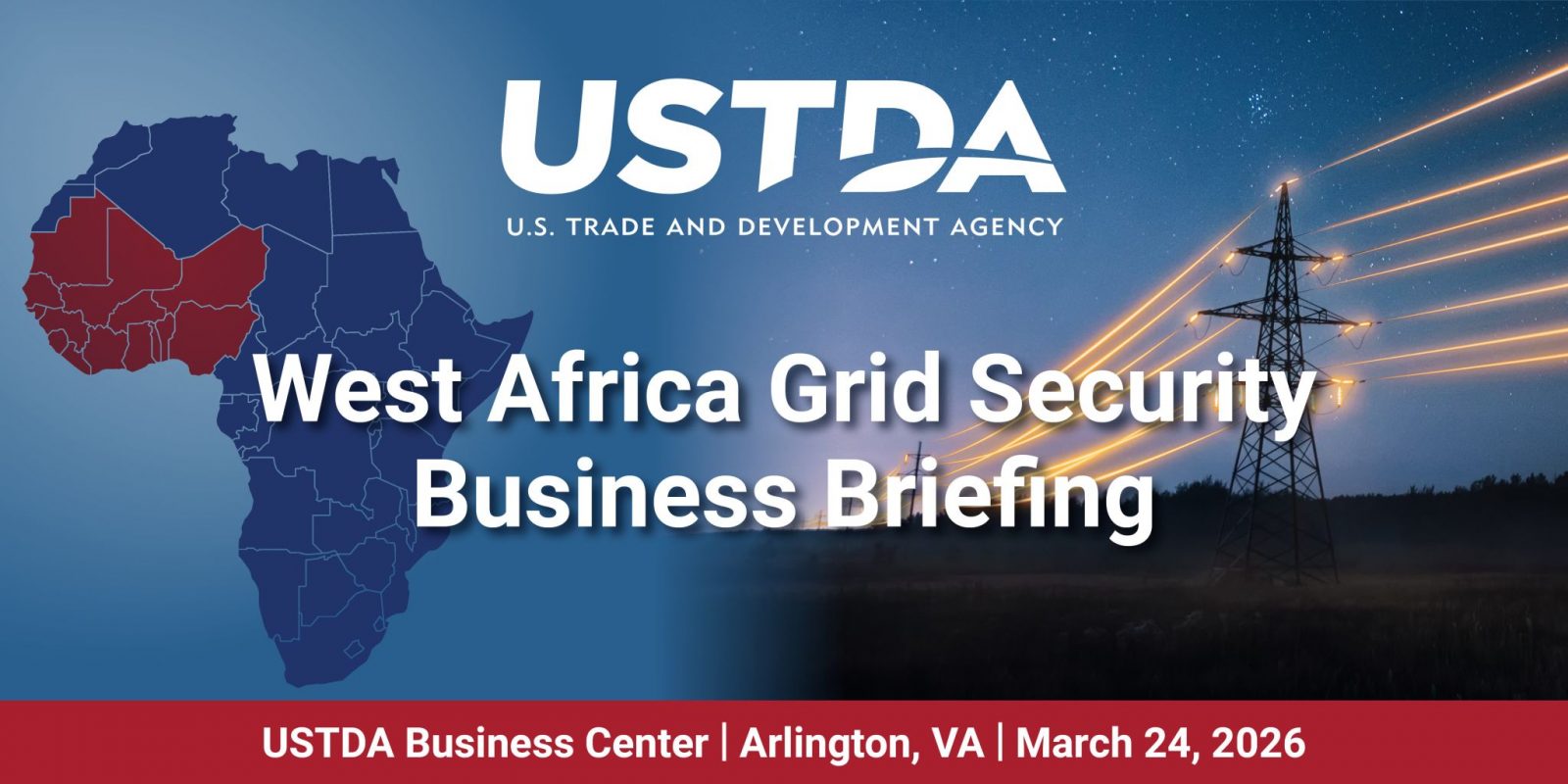
On March 19, 2026, the U.S. Trade and Development Agency announced a strategic initiative aimed at strengthening energy infrastructure across West Africa. The program focuses on fostering collaboration between U.S. energy firms and key stakeholders from five West African countries: Nigeria, Benin, Cabo Verde, Côte d’Ivoire, and Senegal.
The initiative centers on improving energy security, grid resilience, and modernisation, particularly through the integration of advanced U.S. technologies, including artificial intelligence (AI).
Objectives of the Initiative
The USTDA program is designed to achieve several key objectives:
-
Strengthen Transmission and Distribution Systems
Improve the reliability and efficiency of electricity networks across West Africa. -
Promote AI-Driven Energy Solutions
Introduce U.S.-developed AI technologies for smarter grid management and predictive maintenance.

-
Facilitate Commercial Partnerships
Connect U.S. companies with African energy stakeholders to unlock investment and trade opportunities. -
Enhance Energy Security
Support stable and secure power systems to meet growing regional demand.
Delegation Overview
A 12-member delegation comprising government officials and power sector representatives from participating countries will visit the United States from March 23 to March 27, 2026.
Cities Visited
The delegation will engage in activities across major U.S. hubs:
-
Washington, DC
-
Philadelphia
-
New York City
Planned Activities
-
Demonstrations of advanced energy technologies
-
Meetings with U.S. energy companies
-
Discussions with regulatory and financial stakeholders
-
Technical exchanges on grid modernisation strategies
Technology Focus Areas
Artificial Intelligence in Energy Systems
AI will play a central role in this initiative by enabling:
-
Real-time grid monitoring and control
-
Predictive maintenance of infrastructure
-
Demand forecasting and load balancing
-
Rapid fault detection and response
Energy Storage and Grid Stability
Technologies showcased will include:
-
Advanced battery storage systems
-
Grid stabilisation tools
-
Renewable energy integration systems
These innovations are essential for addressing intermittent power supply and improving overall system resilience.
Business and Investment Opportunities
A major highlight of the program is a public business briefing scheduled for March 24 in Washington, DC.
This event will:
-
Provide U.S. firms with insights into upcoming energy projects in West Africa
-
Enable direct engagement with African delegates
-
Create opportunities for one-on-one business matchmaking
The initiative positions U.S. companies as key partners in Africa’s energy transformation.
Strategic Importance for West Africa
West Africa faces several structural energy challenges:
-
Rapid population growth
-
Increasing urbanization
-
Rising industrial energy demand
-
Aging and inefficient grid infrastructure
Modernising transmission and distribution systems is therefore critical to:
-
Reducing power outages
-
Supporting economic growth
-
Enabling industrial expansion
-
Improving quality of life
Role of the U.S. Private Sector
The U.S. private sector is recognized globally for leadership in:
-
Smart grid technologies
-
Energy storage solutions
-
Engineering and system integration
-
Cybersecurity for energy infrastructure
Through this initiative, U.S. firms can provide:
-
High-quality equipment
-
Technical expertise
-
Scalable and secure energy solutions
Implications for Nigeria and the Region
For Nigeria and neighboring countries, the program presents significant opportunities:
-
Improved grid reliability in major urban and industrial centers
-
Reduced transmission losses
-
Enhanced renewable energy adoption
-
Access to cutting-edge global technologies
Nigeria, as the region’s largest economy, stands to benefit substantially from improved power infrastructure and increased foreign investment.
Conclusion
The USTDA initiative represents a strategic effort to bridge technological, financial, and infrastructural gaps in West Africa’s energy sector. By fostering partnerships between U.S. companies and African stakeholders, the program aims to deliver sustainable, secure, and modern energy systems.
The integration of AI and advanced grid technologies marks a forward-looking approach that aligns with global energy trends and positions West Africa for long-term growth and resilience.
Recommendations
To maximise the benefits of this initiative:
-
Strengthen regulatory frameworks to support technology adoption
-
Encourage public-private partnerships (PPPs)
-
Invest in workforce training for advanced energy systems
-
Prioritize cybersecurity in grid modernisation
-
Promote regional energy integration and cooperation
