


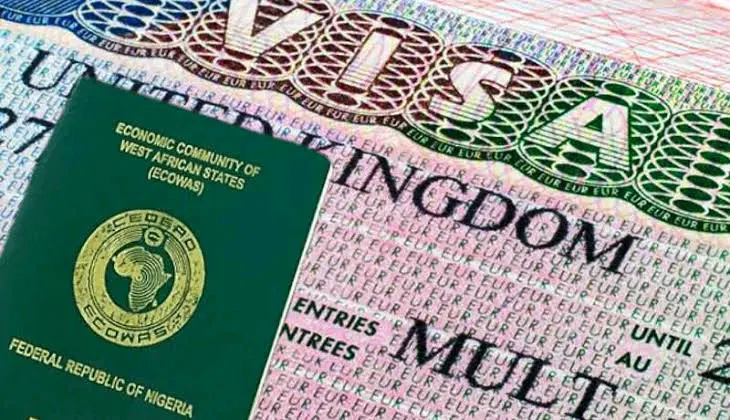
The UK Home Office has announced sweeping increases in visa, residency, and citizenship fees, with the new charges set to take effect from April 8, 2026.
The revised fee structure—covering nearly all immigration routes—will significantly impact Nigerians, who remain among the largest groups applying to visit, study, work, and settle in the United Kingdom.
The changes, published in official documents by the UK Home Office, show that almost all application categories will become more expensive, with only a few exceptions.
Overview: Broad Increases Across All Visa Categories
The 2026 fee adjustments reflect the UK government’s continued policy of shifting immigration system costs to applicants.

For Nigerians, the implications are substantial:
- Higher upfront visa costs
- Increased long-term migration expenses
- Greater financial barriers to entry
With exchange rate pressures, total costs in naira now run into millions per applicant, especially for long-term stays.
Visit Visa Fees Rise Across All Durations
Short-term travel to the UK—popular among Nigerian tourists and business travellers—will now cost more.
Updated Visit Visa Fees
- 6 months: £127 → £135
- 2 years: £475 → £506
- 5 years: £848 → £903
- 10 years: £1,059 → £1,128
Other categories also increased:
- Visiting academic: £220 → £234
- Private medical visit: £220 → £234
- Airside transit: £39 → £41.50
- Landside transit: £70 → £74.50
Insight:
While long-term visas still offer better value for frequent travellers, the initial financial burden is now significantly higher.
Student Visa Costs Climb Further
International education—one of the most common migration pathways for Nigerians—has become more expensive.
New Student Visa Fees
- Student visa: £524 → £558
- Child student visa: £524 → £558
- Short-term English study: £214 → £228
Additional Burden: Health Surcharge
Applicants must also pay the Immigration Health Surcharge (IHS):
- Students: about £776 per year
Estimated Total Cost (1-year programme):
Over ₦2.5 million when visa and IHS are combined
Key Issue:
The IHS must be paid in full upfront, increasing the immediate financial pressure on Nigerian students.
Work Visa Fees Increase Across Multiple Routes
The UK’s work visa system—especially the Skilled Worker route—has also seen notable increases.
Skilled Worker Visa
- Up to 3 years: £769 → £819
- Over 3 years: £1,519 → £1,618
Other Work Routes
- Health and Care visa: £304 → £324 (up to 3 years)
- Innovator Founder: £1,274 → £1,357
- Start-up visa: £465 → £495
- Scale-up visa: £880 → £937
- Graduate visa: £880 → £937
- Temporary work routes: £319 → £340
Unchanged Category:
- High Potential Individual visa remains £880
Total Cost Impact
When combined with:
- IHS (about £1,035/year for workers)
- Additional processing fees
Total cost for a work visa can reach ₦5M–₦10M+
Family, Settlement, and Residency Costs Surge
For Nigerians seeking long-term relocation or family reunification, costs have risen sharply.
Settlement Fees
- Route to settlement: £1,938 → £2,064
- Indefinite Leave to Remain (ILR): £3,029 → £3,226
- Dependant relative: £3,413 → £3,635
Real Cost Impact
Family migration routes remain among the most expensive:
Often exceeding ₦9M–₦10M+ per applicant
Citizenship Fees Increase—With One Key Exception
Naturalisation & Citizenship
- British citizenship: £1,605 → £1,709
- Adult registration: £1,446 → £1,540
Exception (Fee Reduction)
- Child registration: £1,214 → £1,000
Insight:
This reduction is a rare relief in an otherwise across-the-board increase.
Additional Mandatory Costs Nigerians Must Consider
Beyond visa fees, applicants also face:
- Tuberculosis (TB), test fees
- Biometrics and documentation charges
- Visa application centre fees
- Priority processing (optional but costly)
These extras can add hundreds of thousands of naira to total expenses.
Why This Matters for Nigerians
Nigeria remains one of the largest sources of UK visa applicants, with hundreds of thousands applying annually.
Key Impacts:
1. Rising Financial Barrier
Migration to the UK is becoming increasingly expensive, limiting access for middle-income applicants.
2. Exchange Rate Pressure
With fees charged in pounds:
- A weaker naira significantly increases real costs
3. High Upfront Payments
Costs like IHS must be paid upfront, creating financial strain.
4. Long-Term Migration Costs
From visa to citizenship, total expenses can exceed:
₦15M – ₦25M+ per person
Summary Snapshot of New Costs
| Category | New Fee |
|---|---|
| Visitor visa (6 months) | £135 |
| Student visa | £558 |
| Skilled worker visa (≤3 yrs) | £819 |
| ILR | £3,226 |
| British citizenship | £1,709 |
Fishe Travels
is your reliable plug for seamless UK travel and visa support. From guiding you through the visa application process to helping with travel bookings, documentation, and expert advice, we simplify every step of your journey.
Whether you’re travelling for study, work, tourism, or relocation, Fishe Travels offers scalable, client-focused solutions tailored to your needs—making your next trip to the UK smooth, stress-free, and successful.
Conclusion
The April 2026 fee hike marks a significant shift in the cost of migrating to the UK, with Nigerians among the hardest hit due to currency pressures and high application volumes.
While opportunities in education, employment, and settlement remain attractive, the new pricing structure means that:
- Migration now requires stronger financial planning
- Applicants must carefully evaluate cost vs long-term benefit
