


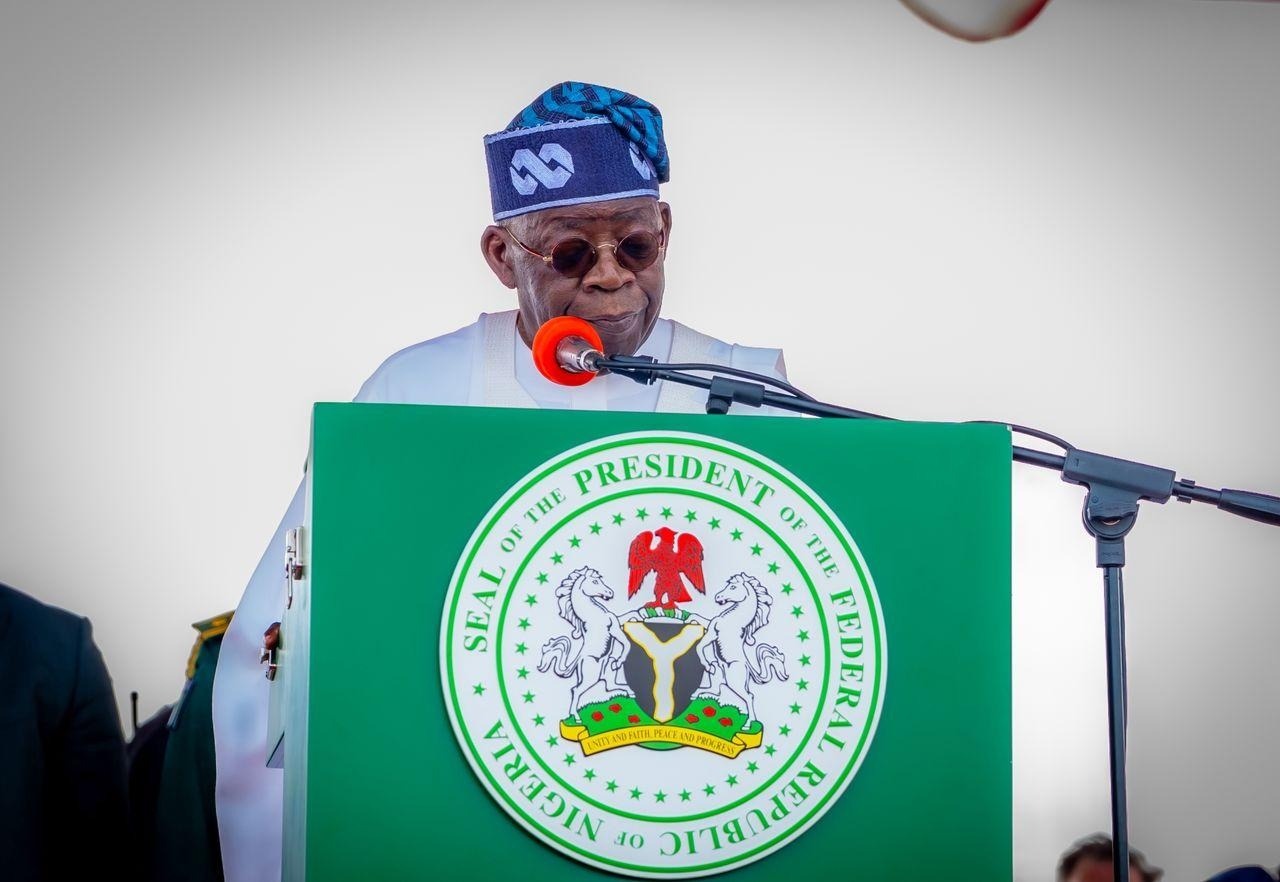
President Bola Ahmed Tinubu has officially set up a Presidential Task Force focused on tackling the Ebola Virus Disease (EVD), as well as preparing for other emerging public health threats. This move comes in light of recent Ebola outbreaks in nearby countries, specifically the Democratic Republic of Congo (DRC), and Uganda.
To support this initiative, the President has also greenlit an emergency intervention fund of N10 billion. This funding aims to boost Nigeria’s readiness for any potential importation of the Ebola virus and to enhance the country’s public health emergency response systems.
Objectives of the Task Force
The Presidential Task Force is tasked with:
Let’s take a closer look at how prepared Nigeria is for an Ebola outbreak and pinpoint any areas that need improvement. It’s crucial to coordinate and put in place, effective measures to stop Ebola from being brought in and spreading.
We also need to involve the relevant Ministries, Departments, Agencies (MDAs), and State authorities in planning for emergency responses. If the situation arises, we must ensure that resources are deployed quickly and efficiently to the areas that need them most.

Leadership and Membership
- Chairperson: Chief of Staff to the President, Femi Gbajabiamila.
- Membership: Representatives drawn from key MDAs and relevant State authorities, including:
- Ministry of Interior
- Federal Airports Authority of Nigeria (FAAN)
- Nigeria Immigration Service (NIS)
- Nigerian Civil Aviation Authority (NCAA)
- Lagos State Government
- Other relevant stakeholders in health, security, and aviation sectors
The Task Force will serve as the central coordinating body for all national Ebola preparedness activities.
Funding and Resource Allocation
- Approved Emergency Fund: N10 billion
- Purpose of Fund:
- Strengthen operational readiness of the Nigeria Centre for Disease Control (NCDC).
- Support national public health emergency response initiatives.
- Enable States with international airports and border corridors to develop intervention plans.
States and MDAs have been asked to put together comprehensive plans, outline their funding needs, and specify any intervention requirements for the Task Force to ensure a coordinated approach.
Key Preparedness Measures
The Presidential Task Force has outlined a comprehensive set of measures to minimise the risk of Ebola entering Nigeria:
A. Airport and Border Control Measures
- Intensified passenger screening at all international airports, including temperature checks and crowd control protocols.
- Monitoring passengers arriving via high-risk airline routes, including:
- Air Uganda
- Rwanda Air
- Air Tanzania
- Air Angola
- Kenya Airways
- Ethiopian Airlines
- Activation of referral and isolation centers at Lagos and Abuja international airports, with plans for other airports to follow.
- Mandatory QR code-based pre-arrival health declarations for passengers from or transiting high-risk countries.
- Environmental sanitation including disinfection of departure halls, cargo areas, baggage sections, and airport facilities.
B. Regulatory and Coordination Measures
- Consultation with security, diplomatic, and aviation authorities to regulate flights from affected countries.
- Designation of specific airports or terminals for high-risk flights to enable controlled screening and isolation.
- Possible adjustment of flight schedules to minimize interaction between high-risk passengers and others.
Rationale
The recent outbreak of Ebola in the DRC and Uganda is a serious health concern that crosses borders. With Nigeria being a key hub for international travel in the region, it’s crucial to be prepared early to:
- Prevent importation of the virus.
- Ensure rapid containment in the event of an outbreak.
- Maintain public confidence in national health systems.
The strategies laid out here show a forward-thinking, collaborative effort that brings together public health, aviation, border security, and emergency response teams.
Conclusion
President Tinubu’s creation of the Presidential Task Force and the green light for emergency funding really highlight the federal government’s dedication to protecting Nigerians from Ebola and other emerging public health challenges. By bringing together key players, improving airport and border protocols, and strategically allocating emergency funds, Nigeria is working hard to ensure a strong, coordinated, and timely response to any potential public health crises.
