


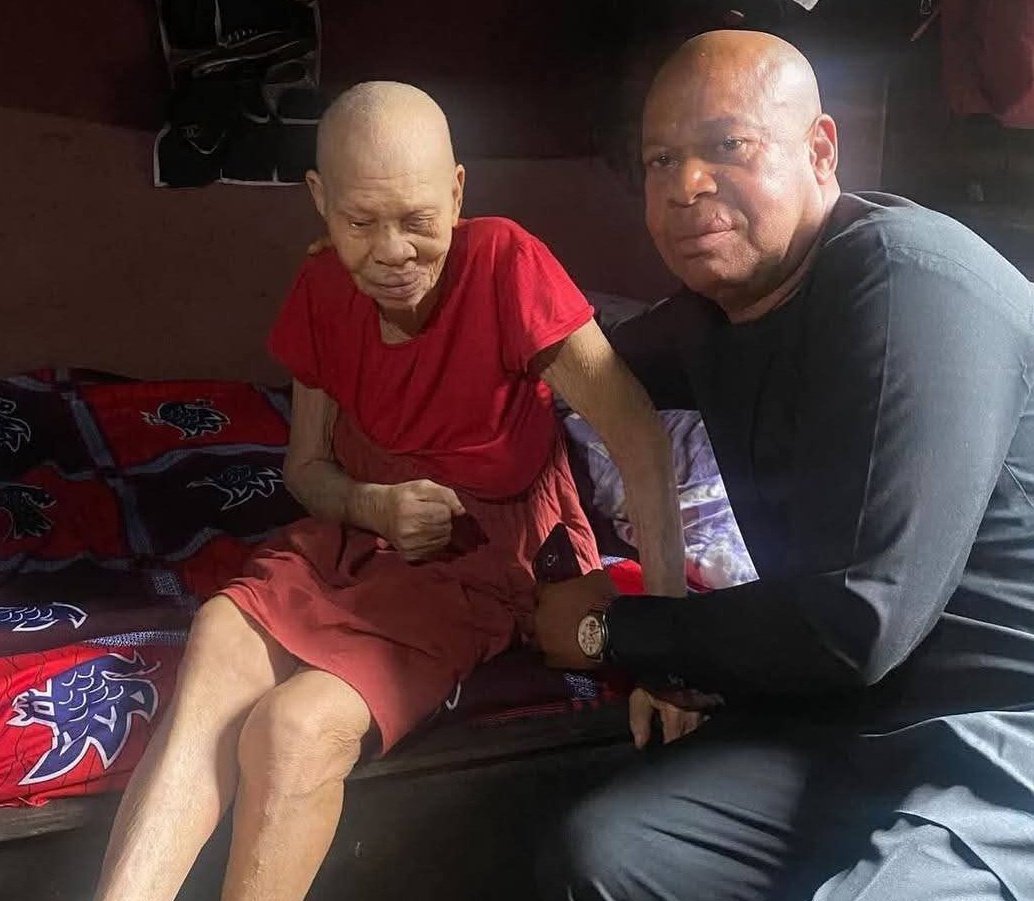
Abia Man’s Mother Dies Weeks After His Release from 26-Year Imprisonment.
Ogbonna Igbojionu, a 48-year-old man from Abia State, Nigeria, has been struck by tragedy following the death of his mother, mere weeks after his release from Kirikiri Maximum Security Prison in Lagos. Igbojionu spent 26 years on death row for unknowingly purchasing a stolen generator in 1999, a case that sparked widespread outrage and highlighted flaws in Nigeria’s justice system.
At the age of 22, Igbojionu, a generator dealer, bought a unit from a man named Segun Ajibade, unaware it was stolen. Two weeks later, police arrested him, alleging possession of stolen property. Igbojionu claimed he was beaten and coerced into signing a statement he could not read. By 2003, he was convicted of armed robbery under the military-era Robbery and Firearms Decree and sentenced to death, despite maintaining his innocence. The man who sold him the generator, Ajibade, received a state pardon in 2016, while Igbojionu and two others, Kolawole Oladeji and Olawale Adediji, languished in prison.

Igbojionu’s plight gained public attention in early 2025 when Nigerian TikToker Olumide Ogunsanwo, known as Sea King, shared his story online, prompting swift action. Simon Oshi, an advocate from Enugu, verified Igbojionu’s identity and alerted Abia State Governor Alex Otti. The governor collaborated with Lagos and Ogun state authorities to secure the release of Igbojionu and his co-accused on 6 July 2025. Their emotional reunion with family at the Abia State Government House, particularly Igbojionu’s tearful embrace with his mother, went viral, symbolising hope and resilience.
Tragically, this joy was short-lived. Posts on X confirmed that Igbojionu’s mother passed away recently, with the news breaking on 12 August 2025. The cause of her death remains unverified, but the timing—weeks after her son’s release—has deepened the family’s grief and drawn public sympathy. Many Nigerians expressed sorrow online, noting the heartbreak of a mother who believed her son was “buried alive” for decades, only to pass away before they could fully rebuild their lives together.
Governor Otti has pledged ongoing support for Igbojionu, Oladeji, and Adediji, ensuring psychosocial care, housing, and vocational assistance to aid their reintegration. Igbojionu, a model inmate who taught literacy and counselled fellow prisoners, expressed gratitude for his freedom but now faces the challenge of mourning his mother while rebuilding his life. “They took my youth,” he said, “but I still have my voice—and I will use it for others who are still trapped.”
This case has reignited calls for justice reform in Nigeria, where over 3,400 people remain on death row, many under questionable convictions. Human rights groups, including the Legal Defence and Assistance Project (LEDAP), are advocating for reviews of similar cases to prevent such injustices. Igbojionu’s story, now tinged with loss, underscores the urgent need for systemic change to protect the innocent and ensure fair trials.
