

US Embassy Introduces Mandatory Social Media Disclosure For Nigerian Visa Applicants.
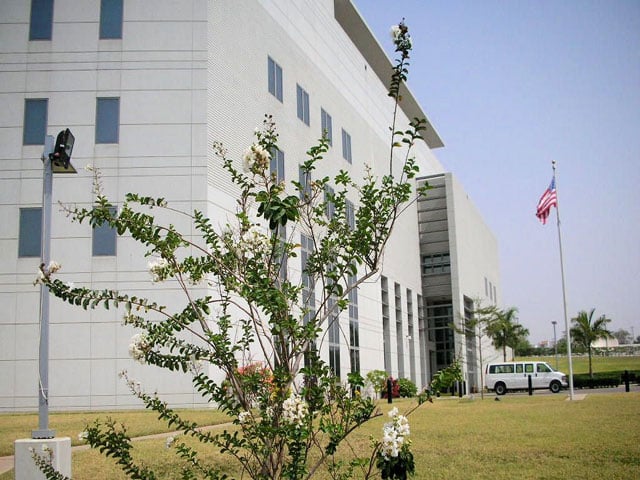
The United States Mission in Nigeria has announced a new requirement for visa applicants, mandating the disclosure of all social media usernames and handles used over the past five years. This directive, effective immediately, aims to enhance national security by incorporating digital footprints into the visa vetting process, as outlined in a statement posted on the Mission’s official X account on 18 August 2025.
Visa applicants must now list all social media handles from platforms used within the specified period on the DS-160 visa application form, a standard document for non-immigrant visa categories such as F (student), M (vocational), and J (exchange visitor) visas. The US Embassy has emphasised that applicants must certify the accuracy of this information before submission. Failure to disclose social media details could result in visa denial and potential ineligibility for future US visas, a measure intended to ensure transparency in the application process.

The policy, which applies globally but has sparked significant discussion in Nigeria, requires applicants to set their social media accounts to public to facilitate vetting by consular officers. This allows officials to review online activity for content deemed hostile to the United States, its government, or its values. The US Department of State clarified that the measure is part of broader efforts to strengthen background checks, with consular officers assessing posts, comments, and affiliations that could indicate security risks.
For Nigerian applicants, this adds a new layer of scrutiny to an already rigorous process. Applicants are advised to compile a comprehensive list of all social media platforms used, including inactive or rarely accessed accounts, and to review their profiles for potentially problematic content. The Embassy has cautioned that omitting or misrepresenting social media information is considered a serious violation, which could jeopard in immediate rejection and long-term consequences for future applications.
While the requirement has raised concerns among some Nigerians about privacy and the complexity of recalling old accounts, US authorities maintain that it is essential for safeguarding national security. Applicants who do not use social media can indicate “None” on the DS-160 form but must be prepared to address any related questions during their visa interview. The process, which began in 2019 for certain visa categories, has now expanded to include a wider range of platforms and a mandatory public setting for accounts.
To comply, applicants are encouraged to review their social media history thoroughly, ensure all accounts are set to public, and double-check the accuracy of information provided on the application form. The US Mission has resumed scheduling visa interviews following a temporary pause in May 2025 to develop these guidelines, urging applicants to adhere strictly to the new rules to avoid delays or denials.
This development underscores the growing importance of online presence in global immigration processes, prompting Nigerian applicants to approach their visa applications with heightened diligence.
