


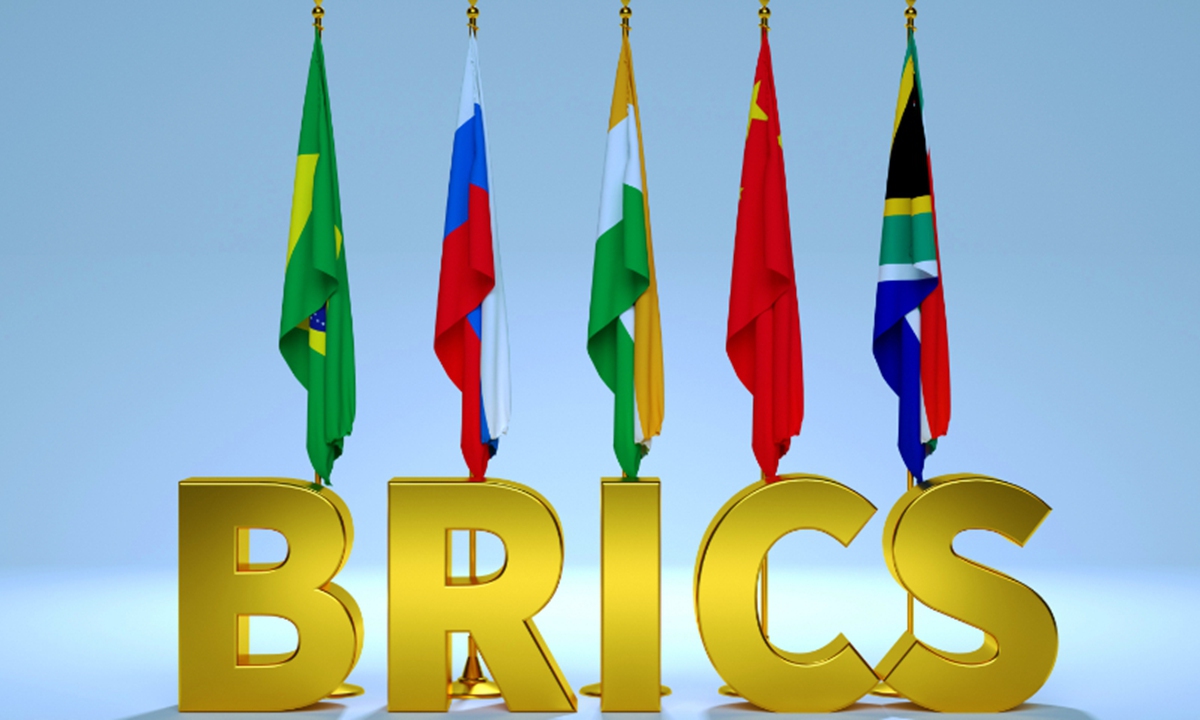
India Champions Local Currency Trade Among BRICS Nations.
In a bold move to reshape global trade dynamics, India has officially invited BRICS nations—Brazil, Russia, India, China, and South Africa—to conduct trade in local currencies, sidelining the US dollar. The announcement, made on 19 August 2025, marks a significant step towards reducing reliance on the dollar and fostering stronger economic ties among the BRICS bloc, which collectively represents over 40% of the world’s population and a third of global GDP.
The initiative stems from India’s strategic push to “derisk” its trade by diversifying currency usage, as articulated by External Affairs Minister S Jaishankar. Speaking at a press briefing, Jaishankar clarified that the move is not about de-dollarisation but about creating resilient trade mechanisms that mitigate risks from currency fluctuations and geopolitical tensions. “Our focus is on strengthening economic cooperation through local currency settlements, which will reduce transaction costs and enhance financial integration,” he said.

Prime Minister Narendra Modi echoed this sentiment, highlighting India’s success with its Unified Payments Interface (UPI), which has been adopted in countries like the UAE. “Trading in local currencies will streamline cross-border payments and bolster economic sovereignty for BRICS nations,” Modi stated during a recent address. India has already implemented bilateral trade agreements in rupees with nations such as Russia and the UAE, setting a precedent for broader adoption within the bloc.
The proposal aligns with discussions at the 2024 BRICS Summit in Kazan, Russia, where leaders explored alternatives to dollar-dominated trade. A symbolic BRICS banknote, unveiled at the summit, underscored the bloc’s ambition to create a more independent financial ecosystem. While no formal BRICS currency has been agreed upon, the emphasis on local currency trade signals a pragmatic approach to reducing dependence on Western financial systems, particularly in light of sanctions affecting countries like Russia and Iran.
Analysts suggest that India’s initiative could lower transaction costs and shield BRICS economies from dollar volatility. However, challenges remain, including the lack of demand for some BRICS currencies internationally and the complexities of managing exchange rates. For instance, Russia’s limited need for Indian rupees has previously led to trade settlements via third-party currencies like the UAE dirham. Despite these hurdles, India’s push for local currency trade is seen as a step towards greater financial autonomy.
The move has sparked mixed reactions. Some BRICS members, like Brazil and Russia, have long advocated for alternatives to the dollar, citing its use as a geopolitical tool. However, India’s cautious approach—emphasising derisking over outright de-dollarisation—reflects its strategic balancing act, maintaining strong ties with the US while fostering BRICS cooperation. As global trade evolves, India’s leadership in this initiative positions it as a key player in shaping a multipolar financial order.
