

NSCIA Applauds Katsina Governor For Reintroducing Christian Religious Studies, Calls For Reciprocity Across Nigeria.
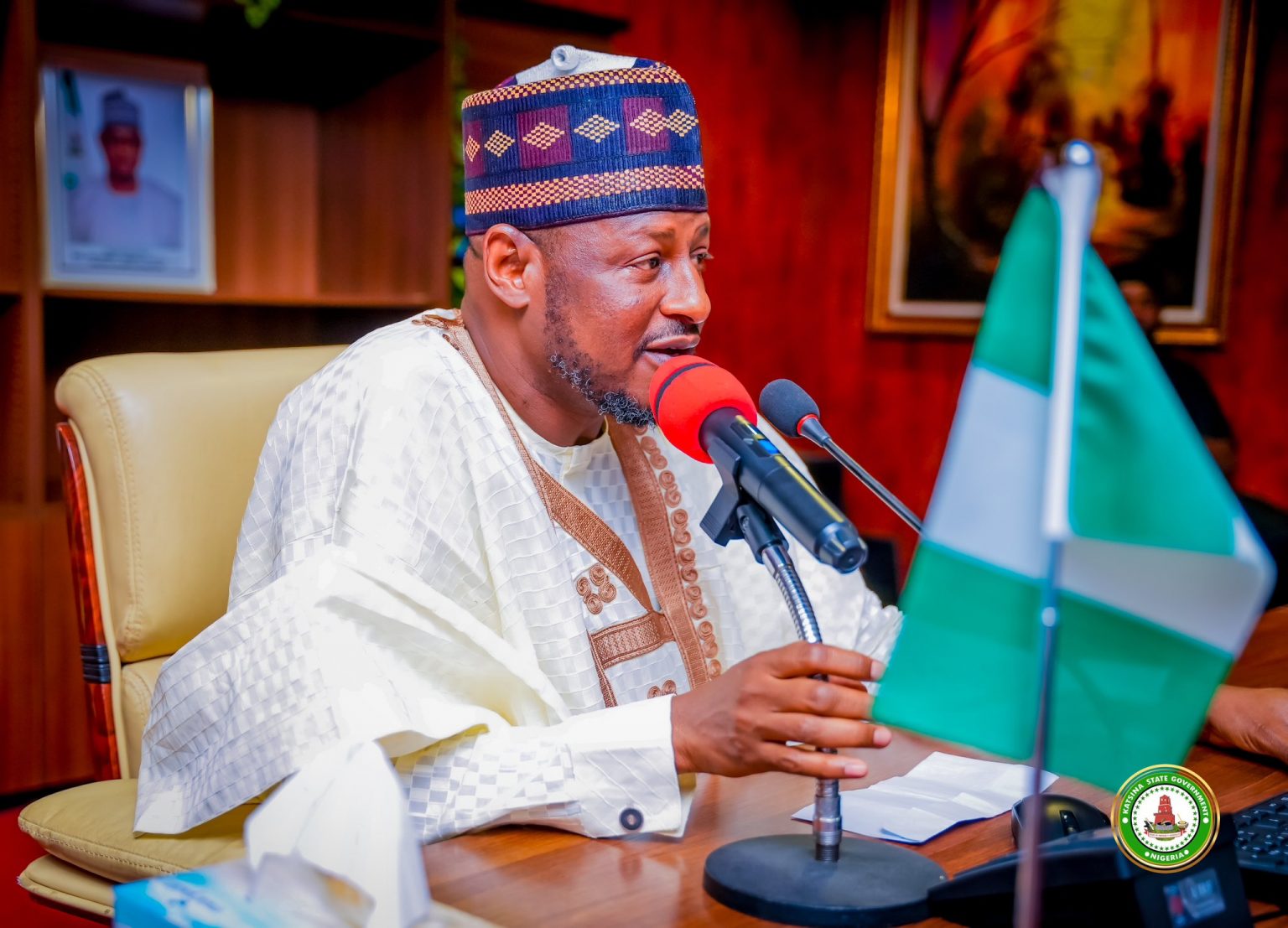
The Nigerian Supreme Council for Islamic Affairs (NSCIA) has praised Katsina State Governor, Dr Dikko Umar Radda, for his decision to reintroduce Christian Religious Studies (CRS) in primary and secondary schools across the state. In a statement issued on 17 August 2025, signed by its Secretary-General, Professor Is-haq Oloyede, the NSCIA described the move as a commendable act of justice, fairness, and inclusivity, aligning with Islamic principles of equity and respect for minority rights.
The council, led by its President-General, the Sultan of Sokoto, Alhaji Muhammad Sa’ad Abubakar, highlighted that the reintroduction of CRS in Katsina, a predominantly Muslim state, reflects the values of tolerance and fairness championed by Islam. It noted that the Prophet Muhammad (SAW) historically ensured the protection of minorities’ freedom of belief and worship, a principle Governor Radda’s policy mirrors. The NSCIA urged other state governors, particularly in Nigeria’s South-East, South-South, and parts of the South-West, to reciprocate by allowing the teaching of Islamic Religious Studies (IRS) in public schools where it is currently restricted.

The statement pointed to ongoing challenges faced by Muslim students in some southern states, citing the case of Rivers State University, where Muslim students and staff have been denied the right to pray on campus despite court rulings in their favour in 2012 and 2017. The NSCIA noted that this matter, now pending at the Supreme Court since 2018, exemplifies the marginalisation of Muslims in certain regions. The council called for mutual respect and inclusivity, urging governors to emulate Radda’s example to foster national unity.
The NSCIA emphasised that Nigeria’s progress hinges on leaders’ commitment to rising above partisanship and embracing pluralism. “There is no gainsaying that the development and advancement of the Nigerian nation are linked to the willingness of the political class to eschew injustice and abhorrence for pluralism in governance,” the statement read. The council’s call for reciprocity has sparked discussions among education stakeholders, with some advocating for a balanced approach to religious education to promote harmony.
As Nigeria navigates its diverse religious landscape, Governor Radda’s initiative has been hailed as a step towards inclusive education. The NSCIA’s appeal for other states to follow suit underscores the need for equitable policies that respect all faith communities, setting the stage for broader dialogue on religious education in public schools.
