


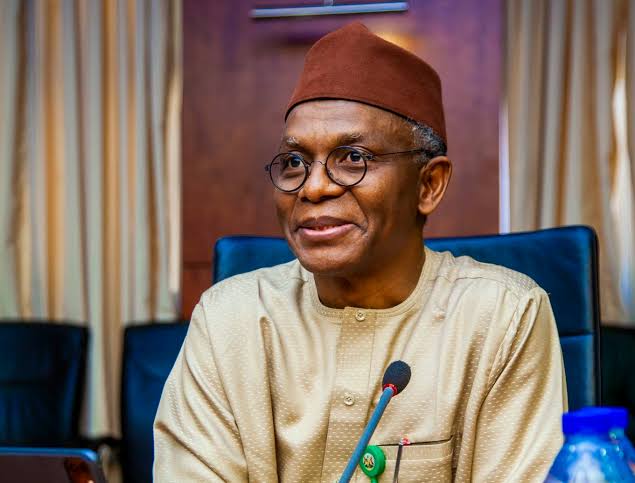
“El-Rufai To ADC Vanguard: Stop Fabricating Statements In My Name; It Hurts Our Party”
Former Kaduna State Governor Nasir El-Rufai has issued a stern warning to the ADC Vanguard, a support group affiliated with the African Democratic Congress (ADC), urging them to cease attributing fabricated statements to him. In a statement posted on his verified X account on 21 August 2025, El-Rufai condemned the group’s actions, stating they undermine the integrity of the party and its supporters.
The controversy arose after ADC Vanguard published a now-deleted post falsely quoting El-Rufai as describing President Bola Tinubu’s administration as “Nigeria’s most corrupt and dishonest government.” The post further alleged that the government had “perfected the art of looting with arrogance and lying with confidence.” El-Rufai swiftly distanced himself from these remarks, clarifying that he had never made such statements. “Dear ADC Vanguard, please stop fabricating statements and attributing them to me. I have my own social media accounts where I can share my views and opinions,” he wrote. “I am going to disown the statements you created and attributed, not because I necessarily disagree with the message, but because I never made them. That is not the honest way to represent our party or gain traction. Please stop it forthwith.”

El-Rufai, who recently defected to the Social Democratic Party (SDP) after leaving the All Progressives Congress (APC) in March 2025, stressed the importance of authenticity in political discourse. His move to the SDP followed his expressed disappointment with the APC’s deviation from its founding vision. The former governor’s rebuke of ADC Vanguard underscores his commitment to maintaining transparency and protecting his reputation as a public figure.
Following El-Rufai’s public statement, ADC Vanguard issued an apology on X, acknowledging their error. “Dear Mallam El-Rufai, we sincerely apologise for the inconvenience caused. It was never our intention to misrepresent or attribute statements to you,” the group stated, pledging to rely solely on verified sources in future communications. They expressed gratitude for El-Rufai’s clarity in addressing the issue.
The incident has sparked broader discussions about the dangers of misinformation in Nigerian politics, particularly on social media platforms where false narratives can spread rapidly. Analysts suggest that such actions risk damaging public trust and weakening the credibility of political movements. El-Rufai’s firm stance has been praised by some as a call for accountability, with supporters urging other public figures to similarly challenge misrepresentations.
As Nigeria approaches the 2027 elections, with the ADC gaining prominence following the defection of opposition leaders Atiku Abubakar and Peter Obi, El-Rufai’s warning serves as a reminder of the need for ethical conduct in political advocacy. His emphasis on using verified platforms for communication highlights the importance of combating misinformation to foster constructive dialogue in the nation’s political landscape.
