

For decades, sickle cell disorder (SCD), has cast a long shadow over countless Nigerian families. Marked by chronic pain crises, recurrent infections, organ damage, and shortened life expectancy, the condition has often been managed rather than cured. Today, that narrative is changing.
The Sickle Cell Foundation Nigeria (SCFN), in partnership with the Lagos University Teaching Hospital (LUTH), now offers bone marrow transplantation—also known as stem cell transplantation—as a curative treatment for sickle cell disorder.
Since around 2024, the program has been active, performing procedures locally and marking a historic milestone in Nigeria’s healthcare landscape.
Understanding the Breakthrough
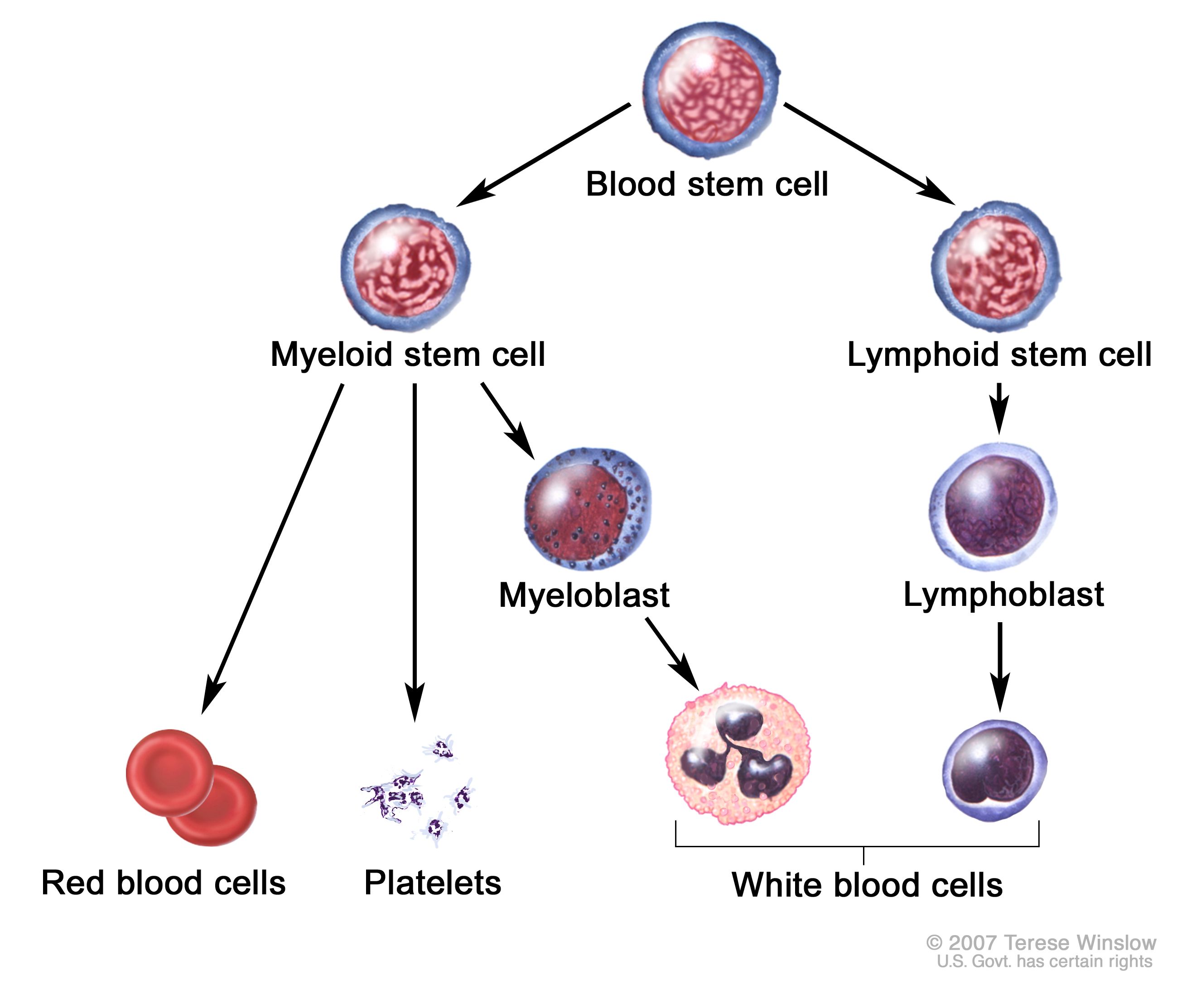
Bone marrow transplantation (BMT), medically known as hematopoietic stem cell transplantation, replaces a patient’s defective bone marrow with healthy stem cells from a compatible donor. These healthy stem cells produce normal red blood cells, effectively eliminating the sickling process that defines SCD.



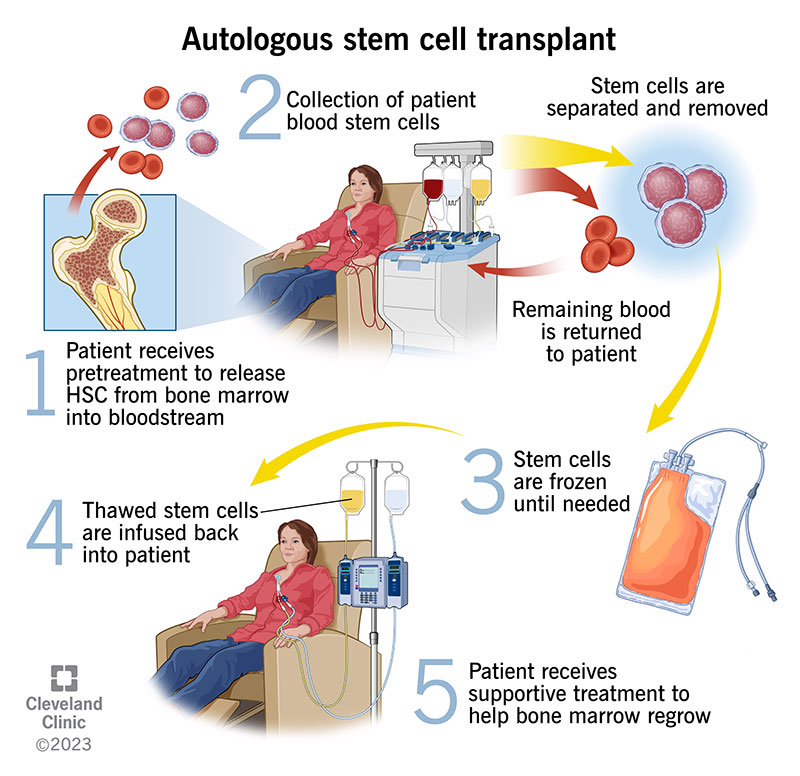
Unlike routine treatments—such as blood transfusions, hydroxyurea therapy, or pain management—BMT addresses the root cause of the disease. For eligible patients, it is not merely symptom control; it is a cure.
This development signals more than medical progress. It signals hope.
Why This Matters for Nigeria
Nigeria carries one of the highest burdens of sickle cell disorder globally. Thousands of babies are born annually with the condition, and many families have faced limited treatment options or the enormous financial burden of seeking care abroad.
The SCFN–LUTH partnership changes that reality.
By performing bone marrow transplants locally:
-
Families avoid the prohibitive costs of overseas treatment.
-
Patients receive care within their cultural and social support systems.
-
Nigeria strengthens its capacity in advanced hematology and transplant medicine.
-
The country moves closer to self-sufficiency in complex medical procedures.
This is not just a clinical achievement; it is a national healthcare milestone.
Eligibility and Ethical Responsibility
Bone marrow transplantation is not suitable for every patient. It requires:
-
Careful medical evaluation
-
A compatible donor (often a sibling match)
-
Adequate organ function
-
Comprehensive pre- and post-transplant care
The program at SCFN and LUTH follows strict clinical guidelines to ensure patient safety. The procedure involves conditioning therapy, transplantation, and close monitoring for complications such as graft-versus-host disease or infection.

Responsible expansion of such services ensures that hope is grounded in medical prudence.
Beyond Cure: A Shift in Mindset
For years, conversations about sickle cell disorder centered on survival. Parents were counseled on crisis management, pain episodes, and life expectancy. Now, there is a new conversation emerging—one about possibility.
Young Nigerians living with sickle cell disorder can now imagine futures not defined by recurrent hospital admissions. Parents can consider curative pathways for their children. Healthcare professionals can pursue specialized training within Nigeria rather than abroad.
This shift—from management to cure—reshapes public perception and restores dignity to those affected.

The Road Ahead
While the availability of bone marrow transplantation is a monumental step, challenges remain:
-
Public awareness must increase.
-
Early genotype testing and donor matching must be encouraged.
-
Health insurance and financing mechanisms should support access.
-
Government and private sector collaboration must continue to expand transplant capacity.
The success of SCFN and LUTH demonstrates that with strategic partnerships, political will, and medical expertise, Nigeria can deliver world-class healthcare solutions at home.
A Defining Moment
The availability of a cure for sickle cell disorder at the Sickle Cell Foundation Nigeria in partnership with Lagos University Teaching Hospital is more than a medical advancement—it is a declaration.
It declares that complex diseases need not condemn generations.
It declares that Nigerian institutions can lead in cutting-edge care.
It declares that hope, once distant, is now within reach.
For thousands of families long burdened by sickle cell disorder, this is the beginning of a new chapter—one written not in pain, but in possibility.