


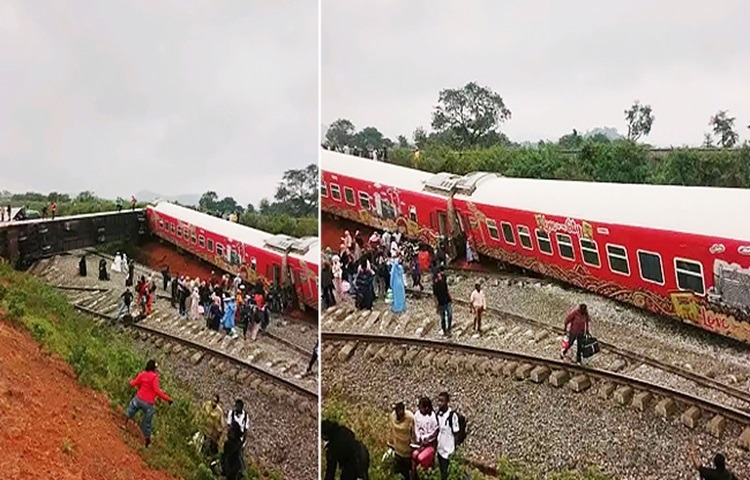
A passenger train operating along the busy Abuja–Kaduna rail corridor derailed on Monday, leaving several passengers injured and causing panic among commuters. The incident occurred while the train was en route from Abuja to Kaduna, one of the most heavily used rail routes. Emergency response teams were deployed to the site to assist injured passengers and assess the damage.
The Managing Director of the Nigerian Railway Corporation, Kayode Opeifa, confirmed the incident while addressing journalists on Monday.
According to him, the train encountered a problem near Asham along the route. He noted that no fatalities had been recorded at the time of filing this report, although several passengers sustained injuries.
The injured passengers, he said, were transported back to the Idu Train Station for the necessary medical attention.


Opeifa added that the Nigerian Railway Corporation has commenced an investigation to determine the exact cause of the incident.
The Abuja–Kaduna railway is a critical transportation link in northern Nigeria, frequently used by commuters seeking a safer alternative to road travel due to security concerns along the highway.
Overview of the Incident
According to early reports, the derailment occurred after the train reportedly collided with an obstruction, causing several coaches to leave the track. The incident resulted in injuries to multiple passengers, though authorities initially reported no confirmed fatalities.
Eyewitness videos circulating online showed damaged train wagons and railway infrastructure, indicating a significant impact that disrupted services on the corridor.
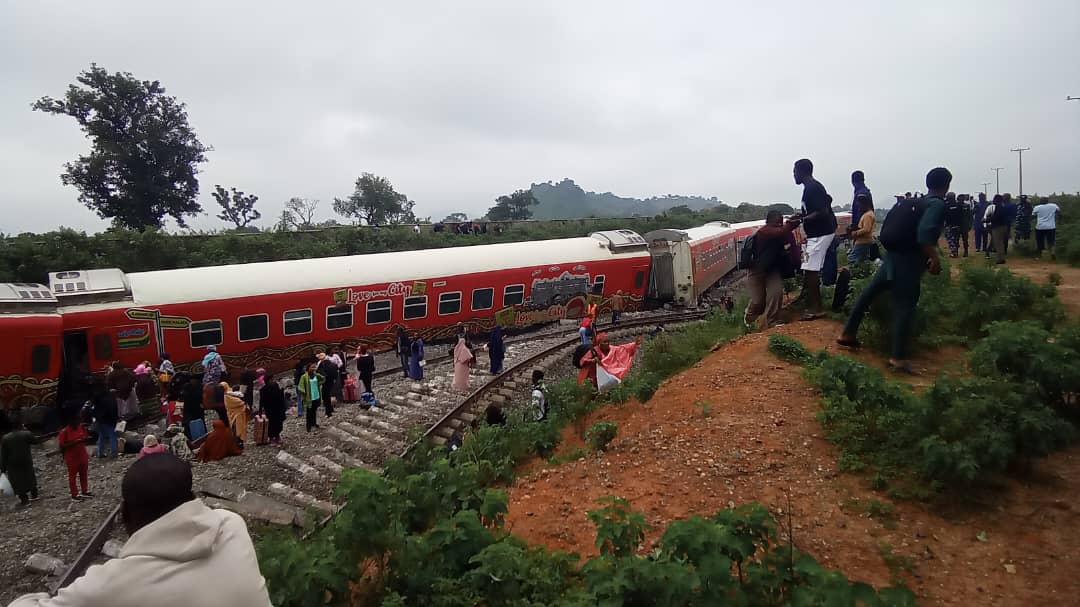
Passengers on board reportedly experienced panic as the train abruptly stopped and some coaches tilted off the tracks. Emergency responders and railway officials quickly arrived at the scene to provide medical assistance and secure the area.
Casualties and Injuries
Authorities confirmed that several passengers sustained injuries during the derailment. The injuries reportedly ranged from minor bruises to more serious conditions requiring medical treatment.
Emergency services transported injured individuals to nearby medical facilities while other passengers were safely evacuated from the train. Officials have continued to assess the number of injured passengers as rescue operations progressed.

Emergency Response and Rescue Efforts
Following the derailment, multiple agencies responded to the emergency:
-
Railway officials and rescue teams arrived at the site to evacuate passengers.
-
Medical personnel provided first aid and emergency treatment.
-
Security forces helped secure the area and manage crowd control.
Authorities also began clearing the tracks and inspecting the railway infrastructure to determine the extent of the damage and restore operations.
Investigation into the Cause
The derailment has triggered an investigation by transportation safety authorities, including the Nigerian railway management and accident investigators.
Nigeria’s transport accident investigations are typically conducted by the Nigerian Safety Investigation Bureau, a federal agency responsible for probing transport incidents and recommending safety improvements.
Investigators are expected to examine:
-
Track conditions
-
Mechanical condition of the locomotive and coaches
-
Possible collision factors
-
Operational procedures and safety compliance
A preliminary report will likely be released after evidence is collected and analysed.
Importance of the Abuja–Kaduna Rail Line
The Abuja–Kaduna rail corridor is one of Nigeria’s most important rail services. It connects the Federal Capital Territory with Kaduna State and carries thousands of passengers weekly.
The route gained increased popularity after security concerns on the Abuja–Kaduna highway, making rail transport a preferred option for many travelers.
However, the line has faced safety and security challenges in recent years, including accidents and attacks on trains.
Previous Incidents on the Route
The railway corridor has experienced several incidents in the past:
-
In 2025, a train derailment along the same corridor injured passengers and prompted an official investigation.
-
In March 2022, a terrorist attack targeted a passenger train on the route, leaving several people dead and many abducted.
These incidents have raised concerns about both operational safety and security measures along the rail line.
Impact on Rail Services
Following the derailment, rail services on the Abuja–Kaduna line may experience temporary disruption while authorities:
-
Clear the damaged train and debris
-
Inspect the rail tracks
-
Conduct safety checks before resuming operations
Passengers scheduled to travel on the route may face delays or cancellations until normal service is restored.
Conclusion
The derailment of the Abuja–Kaduna passenger train highlights ongoing challenges in maintaining safe rail operations on one of Nigeria’s busiest transport corridors. While the absence of confirmed fatalities is a relief, the injuries sustained by passengers underline the need for improved railway safety systems and infrastructure maintenance.
As investigations proceed, authorities are expected to release further details regarding the cause of the accident and recommend measures to prevent similar incidents in the future.