


The Africa Cup of Nations (AFCON), Africa’s premier football tournament, will officially be played every four years starting from 2028. This landmark decision signals a major restructuring of the continent’s football calendar and reflects growing efforts to modernise African football and align it with global standards.
Motsepe Makes the Announcement
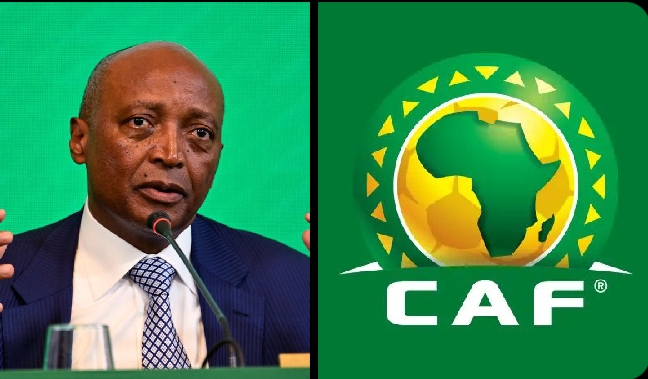
The change was revealed on Saturday by Patrice Motsepe, President of the Confederation of African Football (CAF). Speaking on the future of the game, Motsepe described the move as part of a broader vision to strengthen African football on and off the pitch.
“We have the most exciting new structure for African football, Motsepe said.
“I do what is in the interests of Africa. The global calendar has to be significantly more synchronised and harmonised.”
From Biennial Tradition to a New Era
Since 1968, AFCON has been held every two years, becoming a regular and beloved feature of African football life. Although there was an unusual one-year gap between the 2012 and 2013 editions, the tournament has largely maintained its biennial rhythm for decades.
That tradition, however, is now set to change.


Timeline of the Transition
-
AFCON will still be played in 2027, with East Africa hosting the tournament.
-
The next edition will take place in 2028.
-
From that point onward, AFCON will officially move to a four-year cycle.
This transition marks the end of the biennial format that fans have known for over half a century.
Aligning with the Global Football Calendar
One of the key motivations behind the shift is the need to better align AFCON with the global football calendar. African players often face packed schedules, balancing club commitments—especially in Europe—with frequent international tournaments.
A four-year cycle:
-
Reduces fixture congestion
-
Improves player welfare
-
Minimises conflicts between clubs and national teams
-
Encourages better cooperation between CAF and global football bodies
Raising Prestige and Commercial Value
Supporters of the change believe that less frequent tournaments will increase AFCON’s prestige. With more time between editions:
-
Anticipation and excitement are heightened
-
Host nations can prepare better infrastructure
-
Sponsorship and broadcasting deals may grow stronger
This could translate into increased revenue and long-term investment in African football development.
Concerns from Fans and Smaller Nations
Despite the potential benefits, the decision has raised concerns. Critics argue that:
-
Fewer tournaments mean fewer chances for smaller or emerging nations to shine
-
Fans may feel disconnected without regular AFCON action
-
Missing one tournament could set a team back for several years
AFCON has long been celebrated for its unpredictability and frequent opportunities for new champions, something a longer cycle may affect.
A Defining Moment for AFCON
The move to a four-year AFCON cycle represents one of the most significant reforms in the tournament’s history. Whether it ultimately strengthens African football will depend on how CAF supports youth competitions, domestic leagues, and regional tournaments during the longer intervals.
What remains clear is that AFCON—regardless of how often it is played—will continue to stand as a symbol of African pride, unity, and footballing excellence.