


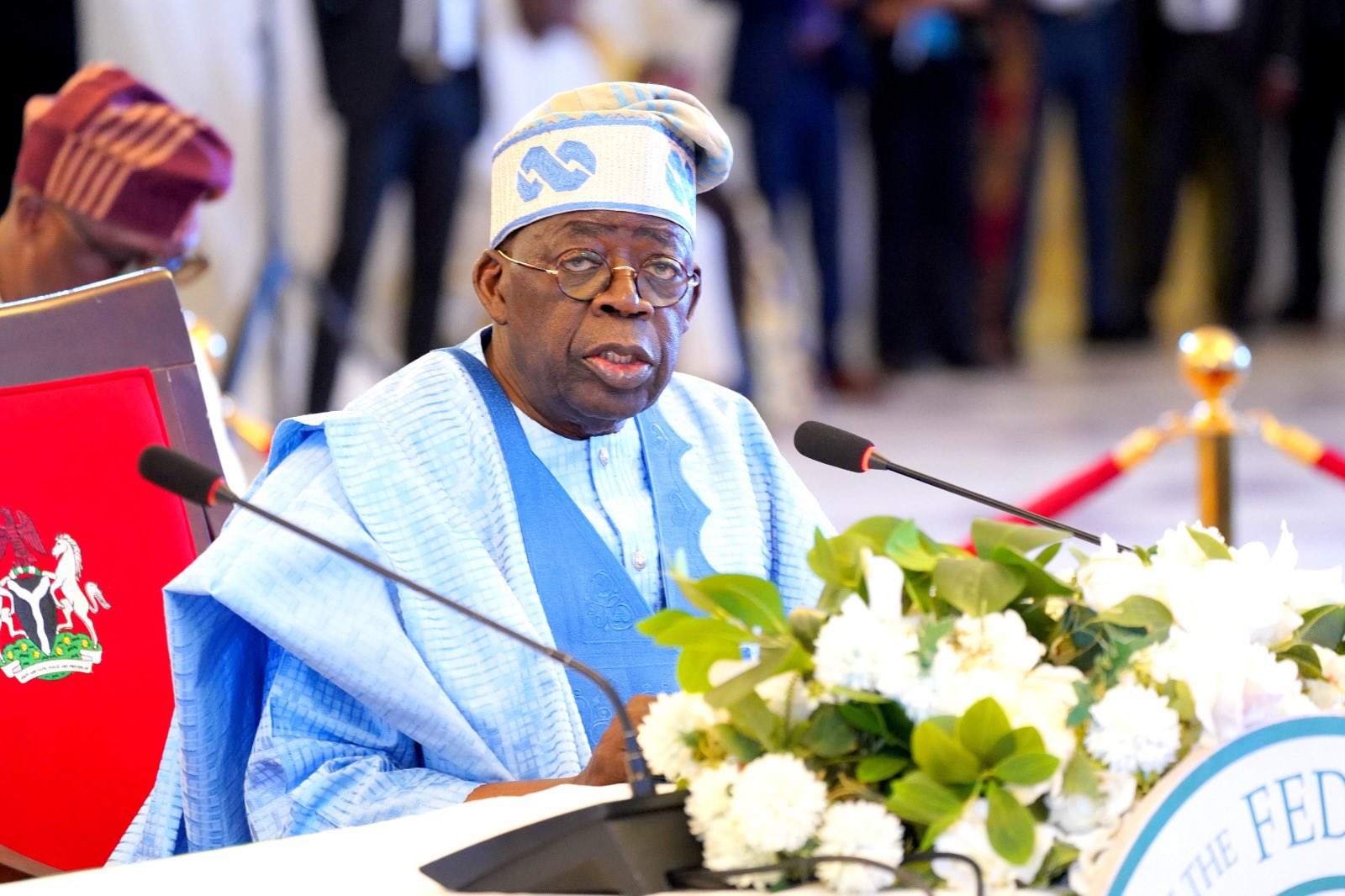
President, Bola Ahmed Tinubu, has issued a directive mandating all political appointees under his administration who intend to contest in the 2027 general elections to resign their positions on or before March 31, 2026.
This directive, formally communicated through a press release by the Office of the Secretary to the Government of the Federation, represents a decisive step toward ensuring compliance with electoral laws and fostering transparency in Nigeria’s political process ahead of the next election cycle.
Official Government Position (Press Release Integration)
According to the official press release, President Tinubu’s directive is grounded in Section 88(1) of the Electoral Act, 2026, as well as the timetable issued by the Independent National Electoral Commission (INEC), for party primaries leading up to the 2027 general elections.
The directive was conveyed in a circular signed by the Secretary to the Government of the Federation, George Akume, and issued by the Permanent Secretary, General Services Office, Ibrahim Abubakar Kana.


The presidency emphasized that:,
-
All political appointees seeking elective office must resign on or before March 31, 2026
-
The directive applies to participation in party primaries or nomination processes
-
Resignations must be formally submitted through the OSGF
President Tinubu stressed that the policy is necessary to:
-
Ensure full compliance with electoral laws
-
Uphold transparency in the political process
-
Promote a level playing field for all aspirants
He further reaffirmed his administration’s commitment to strengthening democratic institutions and ensuring credible elections in Nigeria.
Scope of Affected Officials
The directive applies broadly to all categories of presidential political appointees intending to contest elections.
As outlined in both the report and the official press release, affected officials include:
-
Honourable Ministers
-
Ministers of State
-
Special Advisers
-
Senior Special Assistants
-
Special Assistants
-
Personal Assistants
-
Directors-General of federal agencies
-
Chief Executive Officers of government parastatals, commissions, agencies, and government-owned companies
-
All other political appointees under the President
This comprehensive coverage ensures that no appointee seeking elective office retains their position during the political process.
Legal and Institutional Framework
The directive is anchored in Nigeria’s electoral legal framework, particularly:
-
Section 88(1) of the Electoral Act, 2026
-
INEC’s official timetable for party primaries
These provisions are designed to prevent serving government officials from leveraging their positions for political advantage, thereby reinforcing fairness and accountability in the electoral system.
Rationale Behind the Directive
The Tinubu administration’s decision reflects several key objectives:
a. Compliance with Electoral Laws
By enforcing resignation before political participation, the directive aligns government practice with statutory electoral requirements.
b. Promotion of Transparency and Fairness
Requiring appointees to step down eliminates incumbency advantages and fosters equal competition among aspirants.
c. Prevention of Conflict of Interest
The measure ensures that public office holders do not simultaneously exercise governmental authority while pursuing partisan ambitions.
d. Strengthening Democratic Institutions
The directive underscores the administration’s broader commitment to credible elections and institutional integrity.
Implementation Guidelines
The press release clearly outlines the process for compliance:
-
Submission of formal resignation letters
-
Routing of submissions through the OSGF
-
Strict adherence to the March 31, 2026 deadline
Failure to comply could result in disqualification from party primaries or legal complications under electoral regulations.
Political and Governance Implications
a. Early Political Realignments
The directive is expected to trigger resignations and repositioning within political parties, shaping alliances ahead of the 2027 elections.
b. Governance Impact
A wave of resignations among ministers and agency heads may create temporary administrative gaps, requiring swift appointments or acting replacements.
c. Electoral Integrity
The policy is likely to enhance public trust in the electoral process by addressing concerns over misuse of incumbency power.
d. Intensified Intra-Party Competition
With incumbents stepping aside, party primaries may become more competitive and inclusive.
Conclusion
President Bola Ahmed Tinubu’s directive reinforced through the official communication of the Office of the Secretary to the Government of the Federation, represents a significant milestone in Nigeria’s preparation for the 2027 general elections.
By mandating early resignation of political appointees seeking elective office, the administration aims to ensure legal compliance, promote fairness, and strengthen democratic governance.
Its effectiveness will ultimately depend on strict adherence by affected officials and the government’s ability to manage the resulting transitions without undermining administrative continuity.