


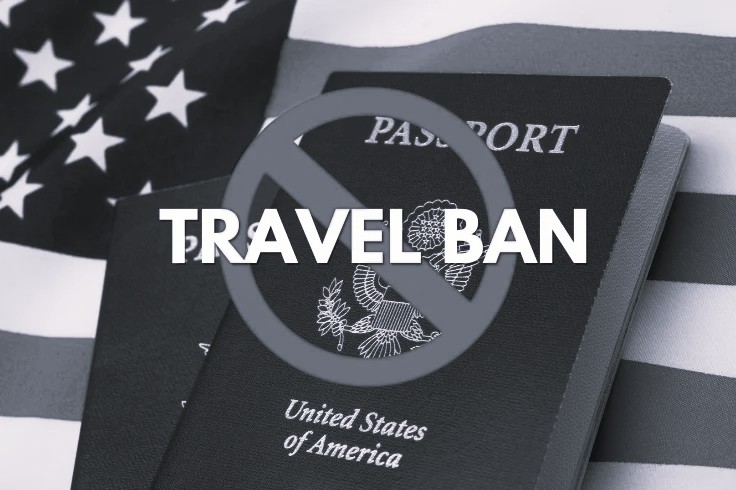
In late 2025, a sweeping expansion of U.S. travel restrictions has triggered an international backlash, with several countries responding by suspending or banning visas for U.S. citizens — a sharp escalation in global diplomatic tensions.
U.S. Expands Travel Ban to Dozens of Countries
On December 16, 2025, the White House issued a presidential proclamation expanding its travel ban to include up to 39 countries, set to take effect January 1, 2026.
The stated aim was to “protect the security of the United States,” citing concerns over visa overstay rates, inadequate vetting, and cooperation on immigration enforcement. The expanded list includes nations across Africa, the Middle East, the Caribbean, and Asia (with many countries facing full or partial suspensions of visa issuance and entry).
Under the new rule, citizens of countries such as Niger, South Sudan, Mali, and Burkina Faso face full bans on U.S. entry, while others like Nigeria, Antigua and Barbuda, and Senegal may encounter partial restrictions — where key visa categories like tourist, business, student, and exchange visas are suspended.

The rollout of this policy drew condemnation from immigration advocates and foreign governments alike, as critics argue the travel ban disproportionately affects ordinary people and disrupts family reunification, education, and business travel.
Reciprocal Measures: Some Countries Ban Visas for U.S. Citizens
Niger: A Total Visa Ban
The most dramatic international response came from Niger, which announced it is completely and permanently prohibiting the issuance of visas to all U.S. citizens and banning their entry indefinitely.
Niamey framed the policy as reciprocity in response to its inclusion on the U.S. travel ban list and argued that the U.S. restrictions amount to hostile foreign policy.
Chad: Suspension of U.S. Visas
Earlier in 2025, Chad preemptively suspended issuing visas to American nationals after being placed on an earlier version of the U.S. ban list. Chadian officials framed the action as temporary but tied it directly to U.S. policies, linking its reversal to a future restoration of “equality and mutual respect” in travel relations.
These moves mark rare instances of nations responding to U.S. immigration actions not through diplomatic protests alone, but through direct visa restrictions on American travelers.
Observers say such measures could deeply affect tourism, humanitarian travel, and bilateral cooperation in security and development missions.
Tensions with Western Allies Over Targeted U.S. Visa Bans
The controversy extends beyond visa reciprocity. The U.S. also imposed visa bans targeting European individuals, accusing them of pressuring tech companies to censor American viewpoints. France, Germany, and the European Union strongly condemned the action as unjustified and warned of potential retaliatory measures, highlighting growing friction between Washington and its traditional allies.
European leaders argue that their digital regulation policies — such as the EU’s Digital Services Act — are domestically enacted and rooted in democratic processes, not tools of censorship. Critics see the U.S. approach as a politicised use of immigration policy that undermines cooperation on tech governance and free expression.
Diplomatic Fallout and Global Implications
These policy clashes are reshaping how nations view travel freedoms and diplomatic reciprocity:
-
Bilateral Strains: Countries facing U.S. travel sanctions are questioning longstanding security partnerships and cooperation frameworks.
-
Economic Impact: Restrictions affect tourism sectors and foreign direct investment, especially in countries that rely on U.S. travel and aid.
-
Legal and Humanitarian Concerns: Advocacy groups warn that expanded bans infringe on human rights, impede family reunification, and disrupt educational and medical opportunities.
Foreign ministries in affected regions have issued statements calling for diplomatic dialogue and criticising the breadth of U.S. restrictions as excessive and counterproductive.
What’s Next?
As the expanded U.S. travel ban takes effect, the global community is watching closely how countries adjust their policies. Continued reciprocal visa measures, wider diplomatic pushback, and possible negotiations to ease tensions may shape the future of international travel and migration policy.
The situation represents a dramatic intensification of travel-related diplomacy, one that could have long-term implications for global mobility, international relations, and the concept of reciprocal visa frameworks in an increasingly polarised world.
