


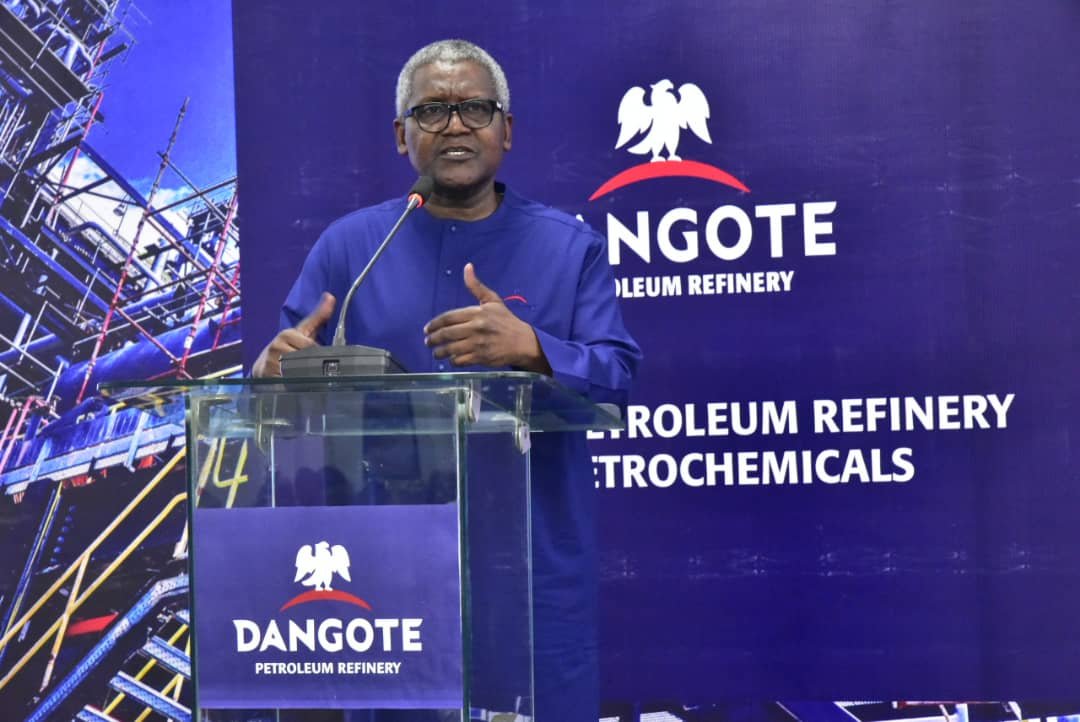
In a major and disruptive development in Nigeria’s energy sector, the Dangote Petroleum Refinery has sharply reduced its ex-depot petrol price — a move designed to gain a competitive edge over the Nigerian National Petroleum Company Limited (NNPC), and other fuel suppliers just as the we head into the Yuletide season.
According to early field reports from PetroleumPriceNg, the refinery’s ex-depot (gantry), price for Premium Motor Spirit (PMS), was cut from ₦828 to ₦699 per litre, representing a reduction of ₦129 — about 15.58%.
This adjustment marks approximately the 20th price review this year by Dangote Refinery — underscoring the relentless pace of price changes as local production capacity reshapes the downstream petroleum market.
Why This Matters
The reduction is significant for several key reasons:

-
Competitive Strategy: Dangote’s aggressive price cut is clearly intended to undercut the NNPC and other major marketers, forcing rivals to reconsider their pricing and supply strategies in a deregulated market.
-
Consumer Impact: With petrol prices historically volatile and often above ₦900 per litre at retail stations, this ex-depot cut has the potential to push pump prices downward — easing the cost of transportation and goods just as demand rises during the festive period.
-
Market Pressure: NNPC and independent filling stations have already announced at least two price reductions in the past three weeks, with retail petrol selling between ₦915 and ₦937 per litre in Abuja before Dangote’s latest move.
Context: A Competitive Downstream Landscape
Since Dangote Refinery began producing petrol at commercial scale, it has repeatedly adjusted its ex-depot prices, prompting responses across the industry:
-
Earlier this year and through 2025, Dangote cut its gantry prices multiple times — from higher levels such as ₦825 and ₦820 to more recent reductions below ₦830 per litre as part of its commitment to affordable supply and national energy security.
-
These adjustments often pressure imported petrol landing costs and marketing strategies, forcing other players to respond or risk losing market share.
Reaction and Broader Implications
Marketers and consumers alike are watching closely:
-
Consumers are hopeful that lower ex-depot prices will translate into cheaper pump prices, which could significantly reduce transport and logistics costs across Nigeria.
-
Independent marketers may feel competitive strain, especially those who stocked fuel at higher prices — a dynamic previously seen when Dangote executed earlier cuts.
-
Industry analysts view this as part of a broader transition toward local refining and price discovery, as Nigeria moves further from reliance on imported fuel. This shift has already helped reduce fuel queues and stabilise supply chains nationwide.
Looking Ahead
Dangote Refinery’s latest price move — coming just ahead of the Christmas and New Year travel season — signals intensifying competition in our nation’s oil market. Should retail pump prices fall in response, everyday Nigerians may feel relief at the pump, while industry players grapple with margin pressures and strategic positioning.
As local refining capacity continues to grow and price adjustments remain frequent, the downstream petroleum market could see even sharper pricing competition, with implications for transport costs, inflation, and consumer spendinginto 2026 and beyond.
May Nigeria succeed.
