


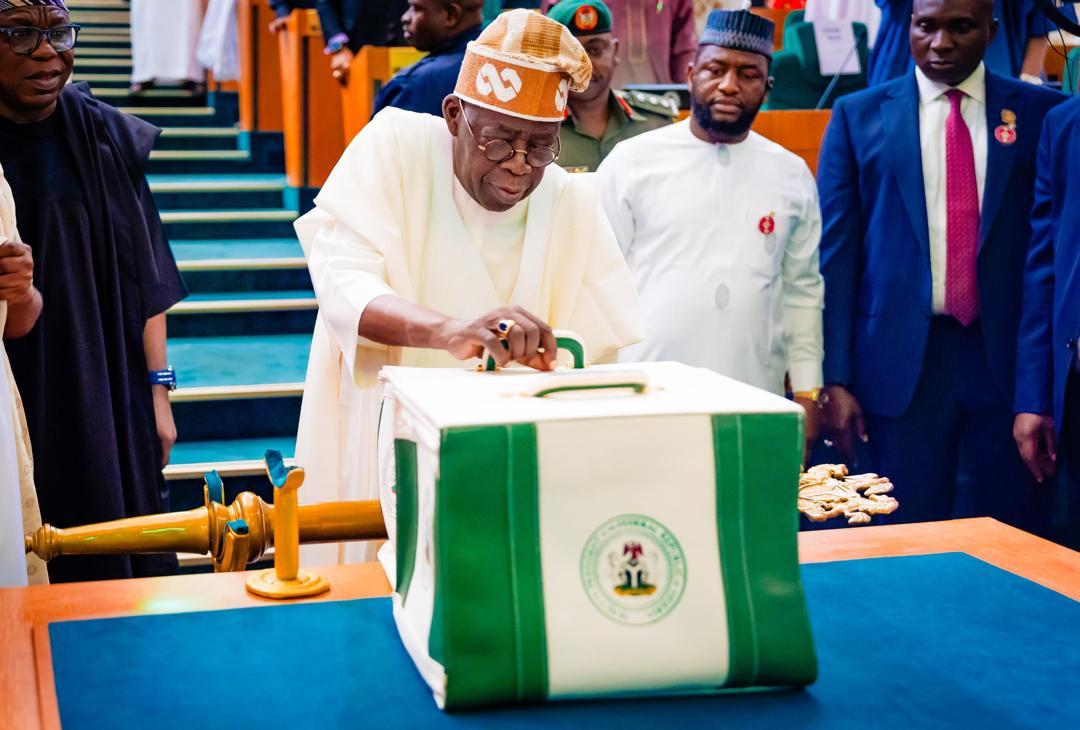
The federal budget remains one of the most important policy instruments for shaping Nigeria’s economic and social direction. Beyond headline figures and official assurances, budget allocations offer insight into government priorities and areas of emphasis.
The 2026 budget allocations to Ministries, Departments, and Agencies (MDAs), provide an opportunity to assess how national resources are distributed and what these decisions may mean for governance, development, and everyday life of Nigerians.
While the figures involved run into trillions of naira, their real significance lies in how effectively they translate into improved living conditions, service delivery, and economic stability for Nigerians.
In this article, I present a simplified explanation of the 2026 budget, interpreting key allocations in practical terms and outlining their likely implications.

1. Large Allocations to Core Government Functions
Some of the largest allocations in the 2026 budget include:
-
Ministry of Finance – ₦16.78 trillion
-
Ministry of Budget & Economic Planning – ₦9.10 trillion
-
Ministry of Works – ₦3.49 trillion
-
Ministry of Defence – ₦3.15 trillion
-
National Assembly – ₦344 billion
-
Presidency – ₦355 billion
In practical terms, much of the funding for Finance and Budget-related institutions is expected to go toward debt servicing, loan repayments, and the general running of government operations. These expenditures are largely indirect and may not result in immediate improvements in household income or living standards.
2. Security Spending and Ongoing Safety Challenges
Security-related allocations include:
-
Defence – ₦3.15 trillion
-
Police Affairs – ₦1.33 trillion
-
National Security Adviser – ₦664 billion
-
Interior – ₦696 billion
These figures reflect the significant cost of addressing insecurity in Nigeria. However, persistent challenges such as kidnapping, terrorism, and armed crime suggest that higher spending alone does not automatically translate into improved security outcomes. Effectiveness depends on governance, intelligence coordination, and accountability in the use of funds.
3. Governance Institutions and Cost of Administration
Allocations to governance institutions include:
-
National Assembly – ₦344.8 billion
-
Judiciary – ₦341.6 billion
These institutions play essential roles in lawmaking and justice administration. However, when compared with economic pressures such as inflation, wage concerns, and pension challenges, these figures often raise public debate about the balance between administrative costs and citizen welfare.
4. Education and Health: Scale Versus Impact
Key social sector allocations include:
-
Education – ₦2.39 trillion
-
Health – ₦2.15 trillion
Although these amounts appear substantial, they are spread across numerous institutions, including universities, polytechnics, colleges of education, teaching hospitals, and federal medical centres. As a result, funding constraints may still be felt in areas such as infrastructure, staffing, equipment, and service quality, contributing to ongoing challenges in both sectors.
5. Youth, Women, and Social Welfare Programmes
Allocations aimed at social development include:
-
Youth Development – ₦518 billion
-
Women Affairs – ₦154 billion
-
Humanitarian & Poverty Alleviation – ₦462 billion
These programmes are intended to address unemployment, gender inclusion, and poverty. However, outcomes often depend on effective implementation and reach at the grassroots level.
Gaps between budgeted funds and visible impact are frequently attributed to administrative inefficiencies and weak monitoring mechanisms.
6. Agriculture and Food Security
-
Agriculture & Food Security – ₦1.45 trillion
Given rising food prices, insecurity in farming communities, climate challenges, and storage limitations, this allocation highlights ongoing concerns about food affordability and self-sufficiency. The effectiveness of this spending depends on how well resources are targeted toward farmer safety, production, processing, and distribution.
7. Infrastructure: Roads, Power, and Transport
Infrastructure-related allocations include:
-
Works – ₦3.49 trillion
-
Power – ₦1.10 trillion
-
Transport – ₦431 billion
These funds are meant to improve roads, electricity supply, and transportation systems. However, recurring issues such as project delays, abandoned works, and maintenance challenges affect how quickly and sustainably Nigerians experience the benefits of these investments.
8. Electoral Administration
-
Independent National Electoral Commission (INEC) – ₦1.01 trillion
This allocation reflects the high cost of managing elections in a large and diverse country. While funding is essential for logistics and administration, public confidence in the electoral process is influenced not only by spending levels but also by transparency, enforcement of rules, and credibility of outcomes.
9. What the 2026 Budget Signals in Practical Terms
Taken together, the 2026 budget reflects strong emphasis on:
-
Government administration and debt obligations
-
Security spending
-
Infrastructure development
However, the extent to which these allocations improve everyday life depends heavily on implementation, oversight, and accountability. Budget figures alone do not guarantee improved services or economic relief
Final Perspective
The 2026 budget does not automatically translate into better living conditions for Nigerians. Its real impact will depend on:
-
How transparently funds are managed
-
Whether projects are completed as planned
-
How effectively resources reach communities and beneficiaries
Until these factors align, the budget remains a financial plan on paper whose real value will be judged by outcomes on the ground.
May Nigeria Succeed.
