


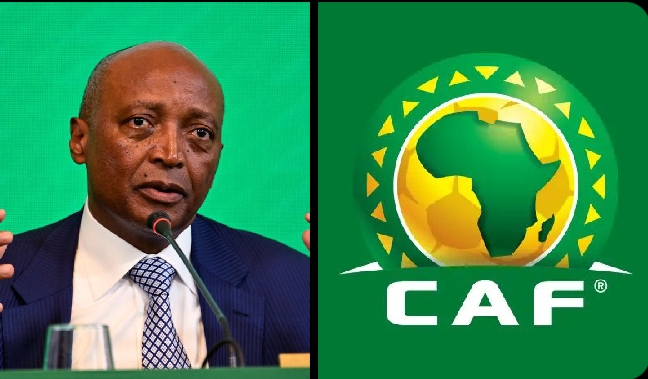
The Confederation of African Football (CAF), has announced a landmark decision to expand the Africa Cup of Nations (AFCON), from 24 to 28 teams. CAF President Patrice Motsepe revealed the development during a press conference following an executive committee meeting, emphasizing the organisation’s commitment to “world-class football with the best African players from all over the world returning to compete on the continent.”
The expansion represents one of the most significant changes in AFCON’s history and reflects CAF’s strategic ambition to modernize African football, increase inclusivity, and enhance the tournament’s global appeal.
AFCON Expansion: Historical Context
AFCON has evolved steadily over the years:
- Initially featured 16 teams for decades.
- Expanded to 24 teams in 2019, allowing a broader range of nations to participate.
- Now set to 28 teams, marking the largest format in the tournament’s history.
This move continues CAF’s efforts to ensure that emerging footballing nations have a platform to compete at the highest continental level.
Motsepe highlighted that the expansion aligns with CAF’s vision of bringing Africa’s top talent back home, including players from the diaspora.


Tournament Structure and Implementation
While specific details about how the tournament will accommodate the additional four teams have not been provided, early proposals suggest:
- Potentially seven groups of four teams each, with the top two teams advancing to the knockout stage.
- Qualification processes will be adjusted to ensure 28 teams make the finals.
The 2027 AFCON finals, scheduled to be co-hosted by Kenya, Tanzania, and Uganda, will proceed as planned under the expanded format. A second tournament is scheduled for 2028, after which CAF intends to transition AFCON to a four-year cycle.
CAF also announced plans to launch a Nations League in 2029, featuring a 16-team final tournament held every two years, further broadening opportunities for African nations to compete internationally.
Strategic Objectives
Increased Inclusivity:
The expansion provides a platform for more nations, especially emerging teams, to participate in AFCON and gain competitive experience.
Talent Development:
By encouraging top African players from around the world to represent their nations, CAF hopes to raise the level of play and international recognition.
Regional Growth:
Motsepe emphasized the need to develop football in East Africa, citing it as an area of great potential. He stressed the importance of making African football “predictable, consistent and reliable” in scheduling.
Global Competitiveness:
Expanding AFCON aligns it with other major international tournaments, enhancing its commercial appeal and ability to attract global audiences.
Benefits and Opportunities
- Broader Representation: Smaller footballing nations gain exposure and experience on the continental stage.
- Economic Growth: More teams and matches may increase broadcasting rights, sponsorship, and tourism revenue.
- Football Development: Greater participation can accelerate the growth of national teams and grassroots programs across Africa.
- Enhanced Visibility: A larger AFCON helps showcase Africa’s top talent to scouts, clubs, and global audiences.
Challenges
- Fixture Congestion: Adding more teams could result in longer tournaments and increased physical demands on players.
- Competitive Balance: There is concern that the quality of matches may vary, potentially affecting spectator experience.
- Logistical Complexity: Hosting 28 teams across multiple countries requires extensive planning, infrastructure, and coordination.
- Unclear Format: CAF has yet to fully detail how the four additional teams will be integrated into the tournament structure.
Conclusion
CAF’s decision to expand AFCON to 28 teams marks a transformative moment in African football. By combining increased inclusivity, talent development, and regional growth with a vision of global competitiveness, the expansion has the potential to redefine Africa’s flagship tournament.
Success will depend on clear planning, strong governance, and effective execution, particularly as the 2027 finals approach. If managed well, the expanded AFCON could become a model for continental football competitions worldwide, while giving emerging nations and returning stars the platform to shine.