


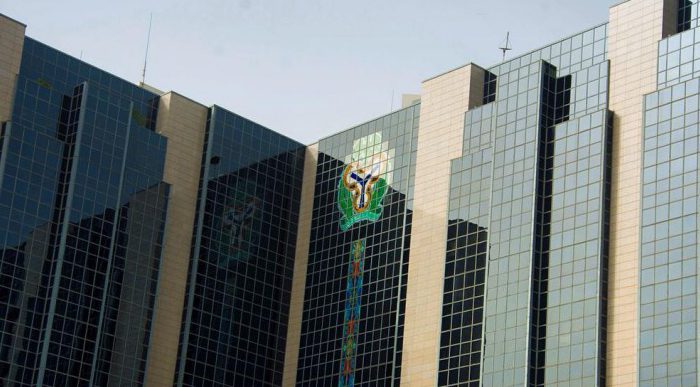
The Central Bank of Nigeria (CBN), has floated ₦600 billion worth of Open Market Operation (OMO), bills as part of efforts to manage excess liquidity in the banking system, with ₦81 billion eventually allocated to investors following the auction.
Liquidity Management Strategy
The auction forms part of the CBN’s monetary policy strategy aimed at mopping up surplus liquidity in the financial system and stabilising money market conditions. OMO bills are short-term securities issued by the apex bank to control the volume of money circulating within the economy.
According to market data, the financial system opened the week with strong liquidity levels, largely driven by banks placing funds in the CBN’s Standing Deposit Facility (SDF). This surplus liquidity contributed to a decline in Nigerian Interbank Offered Rates (NIBOR), across several tenors, indicating relatively abundant funds within the banking sector.
Despite the liquidity injection, the overnight interbank rate increased slightly by 8 basis points to 22.29 percent, while the Open Repo (OPR), rate remained unchanged at about 22 percent, reflecting mixed funding conditions in the money market.


Auction Details and Allocation
At the auction, the CBN offered ₦600 billion in OMO bills across three maturities — 8 days, 99 days, and 113 days.
However, only ₦81 billion was allotted to investors, with allocations concentrated in the mid-tenor instruments. The bills were issued at stop rates of approximately 19.35 percent and 19.69 percent, reflecting the yield investors demanded to hold the short-term securities.
Analysts note that the relatively modest allotment suggests the apex bank may be carefully calibrating liquidity tightening, despite the large offer size.
Investor Positioning and Market Sentiment
Deposit money banks and foreign portfolio investors have been actively positioning for OMO auctions, particularly as liquidity remains elevated in the financial system. Market analysts previously anticipated that the CBN would conduct such operations to absorb excess funds amid expected repayments in the primary market worth about ₦2.4 trillion.
High-yield OMO bills have also become attractive to investors seeking risk-free returns, especially in an environment of elevated inflation and volatile currency conditions.
Broader Monetary Policy Context
The issuance aligns with the CBN’s broader policy stance aimed at tightening liquidity to combat inflation and support the naira. By selling interest-bearing securities to banks and institutional investors, the central bank withdraws excess naira from circulation, which can help reduce inflationary pressure and stabilise the foreign exchange market.
Earlier in 2026, the apex bank significantly expanded OMO sales to reinforce monetary tightening and manage liquidity conditions in the banking sector. Analysts say such measures are part of ongoing reforms designed to strengthen macroeconomic stability.
Outlook
Financial market analysts expect the CBN to continue deploying OMO auctions and treasury instruments to regulate liquidity levels in the coming weeks. With high liquidity still present in the system, further issuances could help maintain tighter monetary conditions while guiding interest rates and investor flows in Nigeria’s money market.