


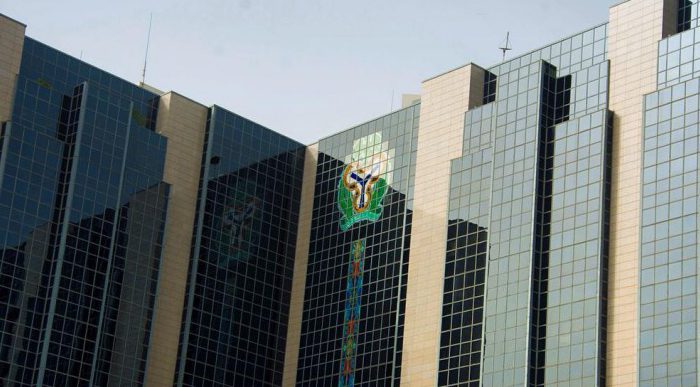
The Central Bank of Nigeria (CBN) has reduced its benchmark interest rate to 27% from 27.5% in a bid to stimulate economic growth.
This decision marks the first rate cut in three years, following a series of hikes aimed at combating inflationary pressures. The CBN’s Monetary Policy Committee (MPC) slashed the interest rate by 50 basis points to 27%, a move expected to lower borrowing costs and boost economic activity.
The CBN has also reduced the cash reserve requirement for commercial banks to 45% and merchant banks to 16%, freeing up more liquidity for lending. Additionally, a 75% cash reserve requirement has been introduced for non-Treasury Single Account (TSA) public sector deposits, further tightening liquidity management.
However, the liquidity ratio remains unchanged at 30%, ensuring banks maintain a stable liquidity buffer.

The rate cut comes as inflation has eased for the fifth consecutive month, dropping to 20.12% in August, and the naira has appreciated against the US dollar. With global monetary conditions also easing, the CBN has room to maneuver its domestic policy without triggering capital flight.
The CBN’s decision is expected to boost economic activity and stimulate growth. By reducing the interest rate and cash reserve requirement, the CBN aims to increase lending and investment, and support economic development.
