


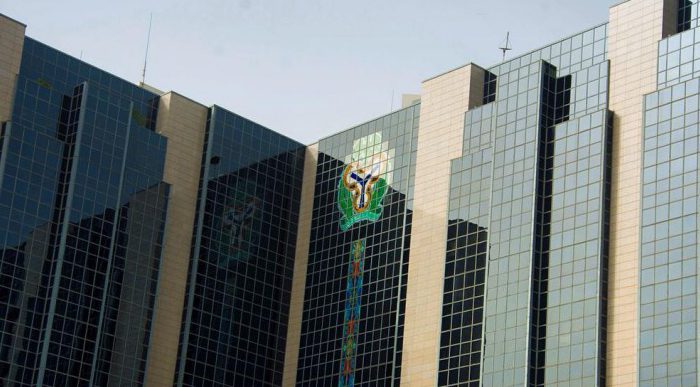
The Central Bank of Nigeria has dismissed reports alleging that it allocated over $1.3 billion for the importation of petroleum products in the first quarter of the year.
The apex bank described the claim as false and misleading, insisting that it has not disbursed any foreign exchange directly for fuel imports.
In a statement released on Tuesday, the bank said it had noticed “misreporting” suggesting that it approved or released $1.259 billion to major oil operators for the importation of refined petroleum products. “Such reports are entirely inaccurate and misleading,” the CBN said, clarifying that the figures being circulated were taken out of context from its quarterly foreign exchange data.
According to the CBN, the referenced figure of $1.259 billion in its Q1 2025 Sectoral Utilisation of Foreign Exchange report represents transactions by market participants in the Nigerian Foreign Exchange Market and not allocations by the apex bank. The bank emphasized that the data reflects market-driven activity rather than official disbursements from the central bank.


CBN spokesperson Hakama Sidi Ali explained that since the unification of the exchange rate in 2023, the foreign exchange market has operated freely based on demand and supply. “The CBN has not sold foreign exchange specifically for the importation of refined petroleum or any other product,” she said.
She added that the figures cited in media reports merely represent aggregate utilisation by authorised dealers and end-users who independently sourced forex through the market. These transactions, she said, comply with regulatory requirements and do not amount to CBN intervention or allocation.
The Central Bank reaffirmed its commitment to maintaining transparency and a market-based foreign exchange system that promotes economic stability and investor confidence. It urged the media to verify financial data before publication to prevent the spread of misleading information that could harm the credibility of Nigeria’s financial markets.