


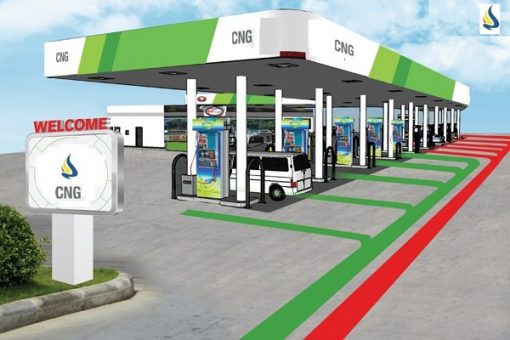
CNG Sector Booms As Investments Reach $980 Million, Says PCNGI Boss.
The Compressed Natural Gas (CNG) sector has emerged as Nigeria’s fastest-growing industry, attracting $980 million in investments within just 18 months, according to Michael Oluwagbemi, Chief Executive Officer of the Presidential Compressed Natural Gas Initiative (PCNGI). The milestone was announced on Wednesday, 13 August 2025, during the launch of a new CNG daughter station by Portland Gas Limited and the National Agency for Science and Engineering Infrastructure (NASENI) in the Federal Capital Territory.


Speaking at the event, Oluwagbemi highlighted the rapid expansion of CNG infrastructure as a cornerstone of Nigeria’s transition to cleaner and more affordable energy for transportation. The initiative, driven by the Federal Government under President Bola Tinubu, aims to reduce reliance on petrol and diesel, lower transport costs, and promote environmental sustainability. The new station, one of several planned across the country, underscores the sector’s growing momentum.
The PCNGI’s success is attributed to strategic partnerships with private-sector players like Portland Gas and public institutions such as NASENI. These collaborations have facilitated the establishment of CNG refuelling stations and conversion centres, making the fuel more accessible to commercial and private vehicle owners. The initiative aligns with broader efforts to leverage Nigeria’s abundant natural gas resources, positioning the country as a leader in alternative energy within Africa.
Oluwagbemi noted that the $980 million investment reflects growing confidence from both local and international stakeholders. “In just 18 months, we’ve seen unprecedented interest in CNG, with investments fuelling job creation, energy security, and cost savings for Nigerians,” he said. The sector’s growth is also expected to support small and medium enterprises, particularly in the transport and logistics industries, by reducing operational costs.
Public response, as seen on platforms like X, has been overwhelmingly positive, with many Nigerians praising the initiative for its potential to ease economic pressures. The launch of the new station in Abuja follows similar developments across the country, with plans for further expansion to meet rising demand.
The CNG push complements other government efforts, such as the recent approval of ₦142 billion for modern bus terminals, to transform Nigeria’s transport sector. As the nation embraces cleaner energy, the PCNGI’s achievements signal a promising future for sustainable growth and economic resilience.