


On June 2, 2026, the United States rolled out new sanctions aimed at senior leaders of two armed groups operating in the eastern part of the Democratic Republic of the Congo (DRC): the Democratic Forces for the Liberation of Rwanda (FDLR), and the March 23 Movement. These sanctions are part of the ongoing U.S. efforts to foster peace, stability, and prosperity in the conflict-ridden Great Lakes region of Africa.
We’re focusing on two individuals who are recognised as crucial intelligence leaders in their organisations.
- Gustave Kubwayo – Commander of an FDLR intelligence and special operations unit.
- John Imani Nzenze – Chief of intelligence for the Rwanda-backed M23 movement.
The sanctions were put in place under Executive Order 13413, which has been updated over time. This order gives the U.S. government the authority to take action against individuals and organizations that are fueling instability, violence, and human rights violations in the DRC.
Background: Conflict in Eastern DRC
The eastern part of the DRC has been grappling with years of instability, driven by armed groups, ethnic conflicts, competition for natural resources, and broader regional security issues. This area is abundant in valuable minerals like cobalt, coltan, gold, and tin, which makes it both strategically and economically important.


Numerous armed organisations operate in the area, often engaging in:
- Attacks against civilians
- Forced displacement of populations
- Recruitment and use of child soldiers
- Sexual and gender-based violence
- Illegal exploitation of natural resources
- Cross-border military activities
The ongoing conflict has led to one of the biggest humanitarian crises the world has ever seen, displacing millions and creating a climate of insecurity that deeply impacts civilian lives.
The Democratic Forces for the Liberation of Rwanda (FDLR)
The FDLR is a Rwandan armed group that has been active in eastern DRC since the aftermath of the 1994 Rwandan genocide. This organisation has faced numerous accusations of destabilising the region and posing a threat to the security of neighboring Rwanda.
Sanctioned Individual: Gustave Kubwayo
The United States has officially labeled Gustave Kubwayo as a commander of an FDLR intelligence and special operations unit.
Allegations Against the FDLR
According to the U.S. statement, the FDLR has engaged in:
- Ethnic violence against civilian populations
- Recruitment and use of child soldiers
- Acts of sexual violence
- Cross-border attacks threatening Rwanda’s security
The name Kubwayo highlights how the U.S. views the importance of intelligence and operational leaders in supporting the group’s activities and keeping its organisation running smoothly.
The March 23 Movement (M23)
The M23 is one of the most notable armed groups currently active in eastern DRC. Its name comes from a peace agreement signed on March 23, 2009, and in recent years, the movement has resurfaced, becoming a key player in the ongoing conflict.
The United States has consistently labeled M23 as being supported by Rwanda, a claim that has stirred up diplomatic tensions in the region.
Sanctioned Individual: John Imani Nzenze
The United States designated John Imani Nzenze, identified as the chief of intelligence for M23.
Allegations Against M23
According to the U.S. government, M23 has been responsible for:
- Killings
- Serious human rights abuses
- Attacks against civilians
- Activities contributing to instability in eastern DRC
As the chief of intelligence, Nzenze holds a prominent leadership role within the command structure of the movement.
Legal Basis for the Sanctions
Executive Order 13413
The sanctions were put in place under Executive Order 13413, which was originally created to tackle the national emergency related to the situation in the Democratic Republic of the Congo.
This order gives the United States the authority to impose sanctions on individuals and entities that:
- Threaten peace and security in the DRC
- Obstruct democratic processes
- Commit serious human rights abuses
- Support armed groups involved in destabilizing activities
Sanctions typically include:
- Asset freezes on property subject to U.S. jurisdiction
- Restrictions on transactions involving U.S. persons
- Prohibitions on providing material support to designated individuals
These steps are designed to put more pressure on those who commit acts of violence, while also restricting their access to global financial systems.
Connection to Regional Peace Initiatives
The announcement about the sanctions really underscores the U.S. dedication to upholding two key diplomatic frameworks:
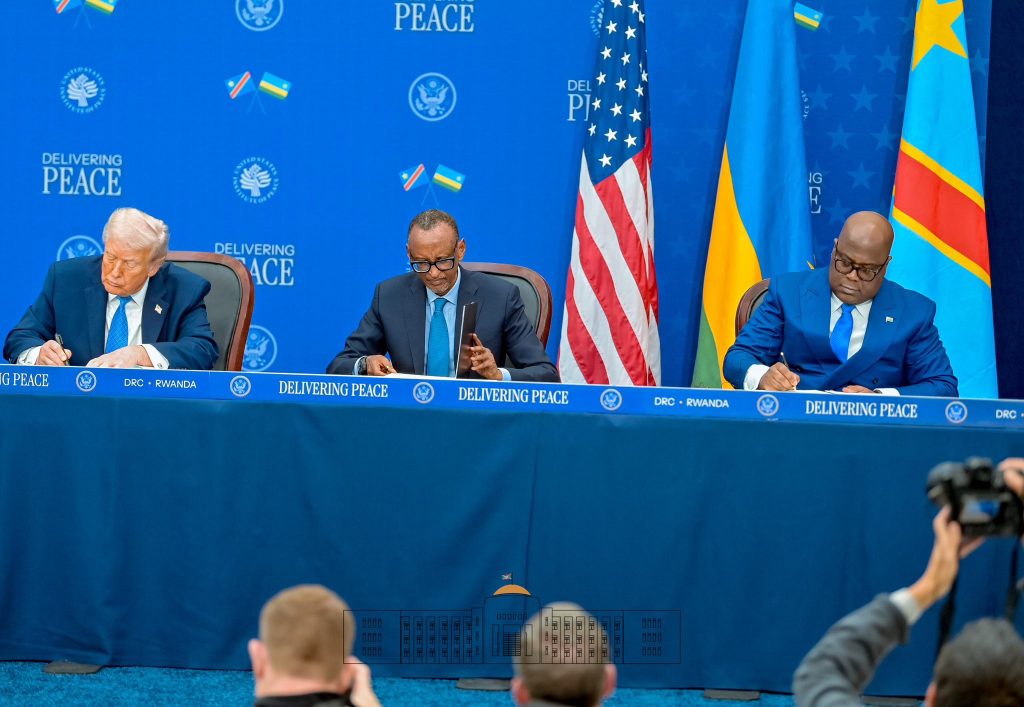
Washington Accords for Peace and Prosperity
The statement talks about the “historic Washington Accords for Peace and Prosperity,” which aim to promote stability, boost economic collaboration, and help resolve conflicts among various states and stakeholders in the Great Lakes region.
Doha Framework
The announcement also references the Doha Framework, which is another diplomatic tool designed to encourage dialogue and ease tensions among the parties involved in the conflict.
The U.S. government stressed that for lasting peace to be possible, everyone must stick to their commitments outlined in these agreements.
Strategic Significance of the Sanctions
Targeting Leadership Networks
By targeting intelligence leaders and operational commanders instead of the everyday personnel, the sanctions aim to:
- Disrupt command-and-control structures
- Increase personal costs for armed-group leaders
- Deter future involvement in human rights abuses
- Signal international scrutiny of decision-makers
Reinforcing Diplomatic Efforts
The measures complement broader diplomatic initiatives by:
- Supporting ongoing peace negotiations
- Demonstrating consequences for non-compliance
- Encouraging regional actors to pursue political solutions
- Strengthening international pressure against armed violence
Regional Security Implications
The sanctions highlight the U.S. worries that the instability in eastern DRC could have wider regional implications that impact various areas:
- Rwanda’s security environment
- Cross-border relations
- Economic development
- Humanitarian conditions
- Regional trade and investment
Human Rights Dimension
A central theme of the sanctions announcement is accountability for human rights abuses.
The United States specifically cited allegations involving:
- Violence against civilians
- Sexual violence
- Child soldier recruitment
- Ethnic targeting
- Extrajudicial killings
The challenges in eastern DRC are some of the most pressing issues we face today, capturing the attention of governments, humanitarian groups, and international organisations alike.
Conclusion
The sanctions imposed on June 2, 2026, mark another move in the United States’ ongoing strategy to tackle the persistent insecurity in eastern Democratic Republic of the Congo. By focusing on Gustave Kubwayo from the FDLR and John Imani Nzenze of the M23, Washington aims to hold these key leaders accountable for actions that it believes fuel violence, human rights violations, and instability in the region.
This action also underscores the U.S.’s continued backing for peace initiatives linked to the Washington Accords and the Doha Framework. While it’s still unclear if these sanctions will genuinely change the behavior of the targeted groups, they do strengthen a wider international effort to pressure armed factions, support diplomatic resolutions, and foster long-term stability in Africa’s Great Lakes region.
Key Takeaways
- On June 2, 2026, the United States imposed sanctions on two high-ranking leaders of armed groups.
- Gustave Kubwayo from the FDLR and John Imani Nzenze of M23 were both designated under Executive Order 13413.
- The U.S. has accused the FDLR of committing ethnic violence, recruiting child soldiers, engaging in sexual violence, and launching attacks that threaten Rwanda.
- Similarly, M23 faces accusations of killings, assaults on civilians, and serious human rights violations.
- These sanctions are part of a larger U.S. initiative to uphold commitments made under the Washington Accords and the Doha Framework.
- The goal of these measures is to foster accountability, bolster peace efforts, and enhance regional security in eastern DRC.