


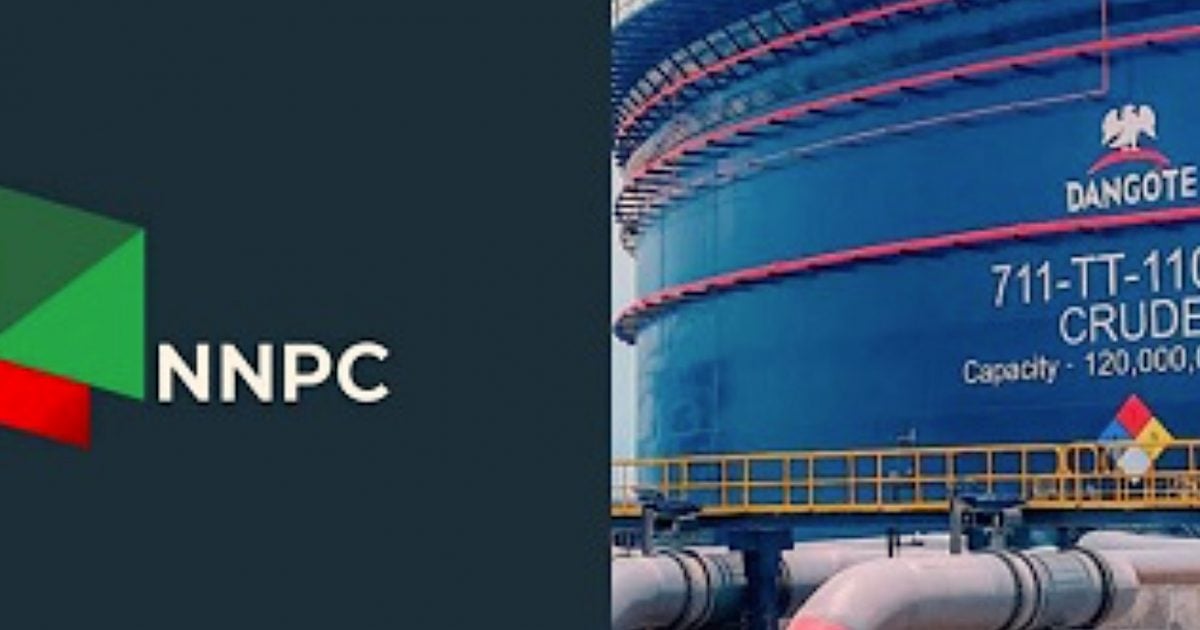
The Nigerian National Petroleum Company Limited (NNPCL), has increased its crude oil allocation to the Dangote Petroleum Refinery for May loading, raising supply from five to seven cargoes. This development comes at a critical time when global oil markets are under pressure due to geopolitical tensions, particularly involving Iran.
The decision reflects strategic effort to strengthen domestic refining capacity and cushion the local fuel market from international volatility.
Background and Context
The Dangote Refinery
The Dangote Petroleum Refinery, located in Lagos, is Africa’s largest refinery with a capacity of approximately 650,000 barrels per day. Commissioned to reduce Nigeria’s reliance on imported petroleum products, the facility plays a pivotal role in the country’s energy security strategy.
Despite its scale, the refinery has faced challenges in securing consistent crude supply, relying partly on imports and allocations from NNPCL. Increasing local crude allocation is therefore essential to maximising its operational efficiency.


NNPCL’s Role
NNPCL, Nigeria’s state-owned oil company, is responsible for managing the country’s petroleum resources and ensuring supply to domestic refineries. Its decision to increase crude allocation signals a policy shift toward prioritizing local refining over exports.
Details of the Allocation Increase
For May, NNPCL has allocated seven cargoes of crude oil to the Dangote Refinery, up from five cargoes in previous months. While the exact volume per cargo may vary, this represents a significant increase in feedstock supply.
A senior refinery official noted that although the additional cargoes will not fully meet the refinery’s needs, they will provide meaningful support to operations and output levels.
Global Market Drivers
Impact of Geopolitical Tensions
The increase in allocation coincides with rising global fuel prices driven by disruptions linked to tensions involving Iran. Supply constraints in the Middle East—one of the world’s key oil-producing regions—have reduced available crude volumes in the global market.
Tightened Supply and Competition
As supply tightens, countries and refiners are competing more aggressively for crude oil. This has led to:


- Higher international crude prices
- Increased cost of refined petroleum products
- Greater pressure on import-dependent economies like Nigeria
By redirecting more crude to domestic refining, Nigeria aims to shield itself from these external shocks.
Strategic Implications for Nigeria
Boost to Domestic Fuel Production
The increased allocation is expected to enhance the Dangote Refinery’s output of refined products such as petrol, diesel, and aviation fuel.
This could:
- Reduce reliance on fuel imports
- Improve supply stability
- Support local industries and transportation sectors
Price Stabilisation Efforts
With global prices rising, increasing local production is a key tool for mitigating price volatility within Nigeria. While it may not fully insulate the market, it can help moderate sharp increases.
Foreign Exchange Savings
Reducing imports of refined products can significantly lower Nigeria’s demand for foreign exchange, easing pressure on the national currency and improving the balance of payments.
Limitations and Challenges
Despite the positive development, several challenges remain:
- Insufficient Supply: Even with seven cargoes, the refinery’s full capacity requirements are not met.
- Logistical Constraints: Efficient delivery and processing of crude remain critical.
- Market Dynamics: Global price trends may still influence domestic fuel prices.
Additionally, sustaining higher allocations over the long term will require consistent crude production and effective coordination between stakeholders.
Industry and Economic Outlook
The increased crude allocation signals a broader shift in Nigeria’s oil and gas strategy toward domestic value addition. If sustained, this approach could:
- Strengthen Nigeria’s downstream sector
- Position the country as a net exporter of refined products
- Enhance energy independence
However, the success of this strategy will depend on continued policy support, infrastructure efficiency, and global market conditions.
Conclusion
NNPCL’s decision to raise crude oil allocation to the Dangote Petroleum Refinery from five to seven cargoes for May represents a timely intervention amid rising global oil prices and supply disruptions. While not sufficient to fully meet the refinery’s needs, the move is a step toward boosting domestic refining capacity, stabilising fuel supply, and reducing Nigeria’s exposure to volatile international markets.
As geopolitical tensions persist and energy markets remain uncertain, strengthening local production capabilities will be crucial for Nigeria’s economic resilience and energy security.