


A cyberattack has crippled Japanese beer giant Asahi Group, forcing the company to halt shipments from its breweries with no immediate recovery in sight.
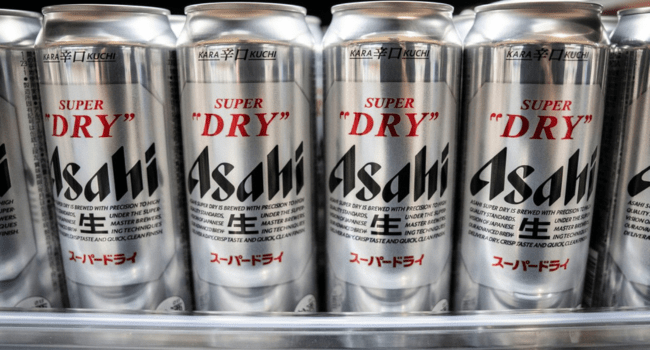
The attack, which began earlier this week, has resulted in the suspension of orders and shipments of various beverages, including its flagship Asahi Super Dry beer.
Asahi Group’s shares have dropped almost 7% from last Friday’s close. Convenience stores and supermarkets in Tokyo still have stock, but supplies are expected to dwindle soon. The company is investigating the possibility of a ransomware attack and is working with outside specialists to restore its computer system.
“We are actively investigating the cause and working to restore operations; however, there is currently no estimated timeline for recovery,” Asahi said in a statement. The company aims to restart call center operations to handle phone inquiries from customers next week.


The impact on retailers has been significant, with Seven & I Holdings, Lawson, FamilyMart, and 7-Eleven reporting shortages. Some restaurants and bars in Tokyo are already feeling the impact, with one eatery reporting it’s on its last keg of Asahi Super Dry. “It’s a bit of a problem,” said Tomiko Yano, a chef at restaurant Kushiyaki Tosaka. “We specialize in yakitori and it pairs really well with Super Dry. A lot of customers say that, so I’m a little worried about the shortage.”
This attack comes after Jaguar Land Rover’s British factories were halted for almost a month due to a cyberattack. Other companies, including Marks & Spencer and the Co-op Group, have also fallen victim to sophisticated breaches. Asahi’s incident highlights the growing vulnerabilities across the global manufacturing and food-and-beverage industries.
The cyberattack on Asahi Group underscores the importance of operational continuity and supply chain security. As the company works to restore its systems, customers and business partners are left wondering when normal operations will resume. “The fact that attackers managed to halt production on this scale suggests they had deep access,” said a security expert. “It’s a reminder that operational continuity is just as critical as data protection.”