


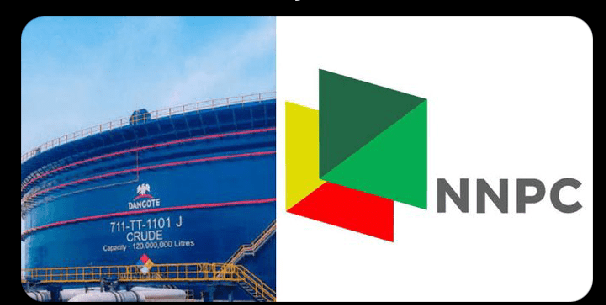
In a move that is already reshaping fuel prices nationwide, Dangote Petroleum Refinery & Petrochemicals — Africa’s largest refinery — has raised its ex-gantry (depot), petrol price and, consequently, petrol pump prices at its network of retail partner filling stations across Nigeria.
The adjustment comes amid a broader period of volatility and competition in the downstream oil sector, with responses from the Nigerian National Petroleum Company Limited (NNPCL), and continuing debates about regulation, licensing and market competition.
What Changed? Dangote’s Petrol Price Adjustment
In late January 2026, Dangote Petroleum Refinery announced an increase in the petrol ex-gantry price — the price at which it sells petrol to marketers and distribution partners — from around ₦699 per litre to roughly ₦799 per litre.
As a result of this price adjustment:
-
MRS Oil Nigeria Plc, one of Dangote’s key retail partners, has increased petrol prices at its filling stations to about ₦839 per litre nationwide.

-
Other Dangote partner outlets and independent marketers have started adjusting their pump prices upward to reflect the new depot costs.

This represents a significant reversal from the lower pump prices (around ₦739 per litre), that some outlets had offered in late 2025 under Dangote’s earlier competitive pricing initiatives.
Why the Increase? Official and Market Explanations
Dangote’s stated rationale for the price change points to the end of temporary festive-season pricing and realignment to sustainable market levels after absorbing costs to provide relief during periods of high household spending.
Industry analysts also point to:
-
Global crude price volatility: Rising oil prices on the international market continue to influence local costs.
-
Refinery operating costs and supply logistics: As a domestic producer now accounting for a large share of Nigeria’s refined fuel supply, Dangote’s price shifts quickly feed through to the retail market.
-
Competition dynamics: With deregulation fully in force, petrol pricing is increasingly determined by market forces rather than government subsidy policies.
NNPCL’s Reaction and Wider Market Impact
In reaction to the Dangote price movement — and to maintain competitive positioning — the Nigerian National Petroleum Company Limited (NNPCL), also adjusted its petrol prices at its own retail outlets.
For example:
-
NNPCL petrol in Lagos reportedly rose to around ₦835 per litre, with Abuja prices near ₦839 per litre.
These adjustments followed Dangote’s price increase and highlight how pricing decisions by key suppliers are closely mirrored across the sector.
Legal Tensions: Dangote’s Lawsuit Against NNPC and Regulators
Earlier in the sector’s transformation, Dangote Petroleum Refinery had filed a significant lawsuit against the Nigerian Midstream and Downstream Petroleum Regulatory Authority (NMDPRA), NNPCL, and several oil marketers.
The refinery’s legal action — originally seeking ₦100 billion in damages — argued that regulators improperly issued import licenses for refined fuel even as Dangote’s domestic production capacity was sufficient to meet national needs.
However:
-
In July 2025, Dangote withdrew its lawsuit, and in November 2025 a Federal High Court in Abuja formally dismissed the suit after the refinery’s counsel filed a notice of discontinuance.
This legal episode reflected deeper tensions over market control, import competition, local refining priorities, and regulatory interpretation of the Petroleum Industry Act — but its dismissal suggests a de-escalation of direct legal confrontation.
What It Means for Nigerians
The combined effect of Dangote’s price raise and NNPCL’s moves has pushed cost-of-living pressure higher for consumers already coping with inflation and rising transport costs:
-
Petrol pump prices in key cities are now broadly higher than they were several months ago, with regional variations due to logistics and supply chain differences.
-
Analysts warn that these pricing dynamics could contribute to broader inflationary pressures unless balanced by increased competition and supply stability.
Looking Ahead
Nigeria’s downstream petroleum market is in a fluid and transitional phase, characterized by:
-
Full deregulation, meaning prices reflect supply and demand rather than state-set subsidies.
-
Increased influence from domestic refining capacity, particularly Dangote’s output.
-
Competitive pressure between Dangote, NNPCL, and independent marketers, which may benefit consumers in periods of price competition but could also lead to volatility.
As the sector evolves, drivers, transport operators and businesses dependent on fuel are keeping close tabs on how pricing adjusts in response to refinery output, regulatory actions, and international market shifts.