


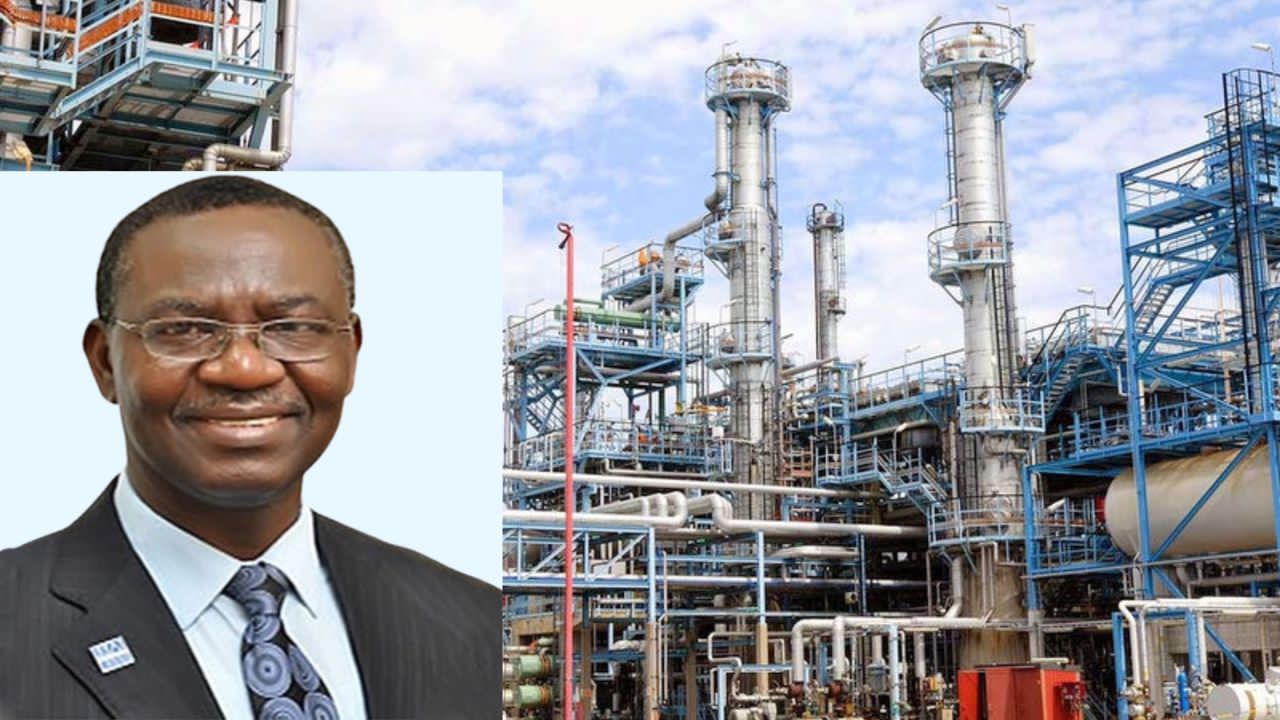
The recent decision by Dangote Refinery to reduce its petrol gantry (ex-depot), price has been widely welcomed by Nigerians grappling with high fuel costs. Towards the close of last week, the refinery slashed its petrol price to N699 per litre, igniting public optimism that sustained relief may finally be in sight.
However, petroleum economist and energy policy expert, Prof. Wumi Iledare, has advised Nigerians not to celebrate prematurely, warning that the price cut could mask deeper structural risks in the downstream petroleum sector.
Iledare Reacts: Beyond the Headlines
Iledare disclosed his concerns on Friday while reacting to the Dangote Refinery’s price adjustment. While acknowledging the immediate appeal of the reduction, he stressed that refinery-level price cuts do not automatically translate into long-term consumer benefits, especially in a market plagued by weak competition and regulatory gaps.
Rising Market Concentration Raises Red Flags
According to Iledare, Nigeria’s downstream petroleum sector is “fast becoming an oligopoly,” with the growing dominance of a single supplier posing significant long-term risks. He warned that excessive concentration could undermine fair competition, distort pricing, and weaken market resilience.

Price Cuts and the Risk of Market Control
The professor cautioned that aggressive price reductions, though popular with consumers, could become a strategic tool to weaken independent marketers and consolidate market power.
He emphasized that without safeguards, such moves may force smaller players out of the market, leaving consumers exposed to future price manipulation once competition is sufficiently eroded.
Regulators Urged to Step In Firmly
Iledare called on downstream and competition regulators to intensify oversight of the sector. He urged authorities to closely monitor product allocation practices, enforce transparency in pricing and supply, and actively protect independent marketers.
According to him, the presence of multiple players is essential to maintaining balance, fairness, and efficiency in the downstream market.
Short-Term Relief, Long-Term Uncertainty
While acknowledging the short-term benefits of Dangote’s price cut, Iledare warned that the absence of rigorous regulation could ultimately harm affordability and market stability.
“This price cut is positive, but without strong oversight, it risks reinforcing the very dominance that undermines long-term affordability,” he said, urging regulators to “stand firm, stay alert, and defend competition in Nigeria’s downstream sector.”
Pump Prices Remain High Despite Ex-Depot Reduction
Despite the refinery’s reduction to N699 per litre, retail petrol prices in Abuja have remained stubbornly high, ranging between N910 and N937 per litre. This disconnect highlights persistent distribution costs, logistics challenges, and profit margins that continue to limit the impact of refinery-level price cuts on consumers.
Industry Reactions Continue to Trail Dangote’s Move
Dangote Refinery’s decision to lower its ex-depot price on Friday has continued to generate debate across Nigeria’s energy sector. While some stakeholders view the move as a step toward local refining efficiency, others share Iledare’s concerns about market dominance and regulatory preparedness.
The Bigger Picture: Reform Over Celebration
For Prof. Iledare, the key takeaway is clear: Nigerians should focus less on celebrating isolated price reductions and more on demanding strong regulation, transparent competition, and sustainable market reforms.
Until these structural issues are addressed, he warns, petrol price cuts—no matter how headline-grabbing—may offer only temporary relief while deepening long-term vulnerabilities in Nigeria’s downstream petroleum sector.
