


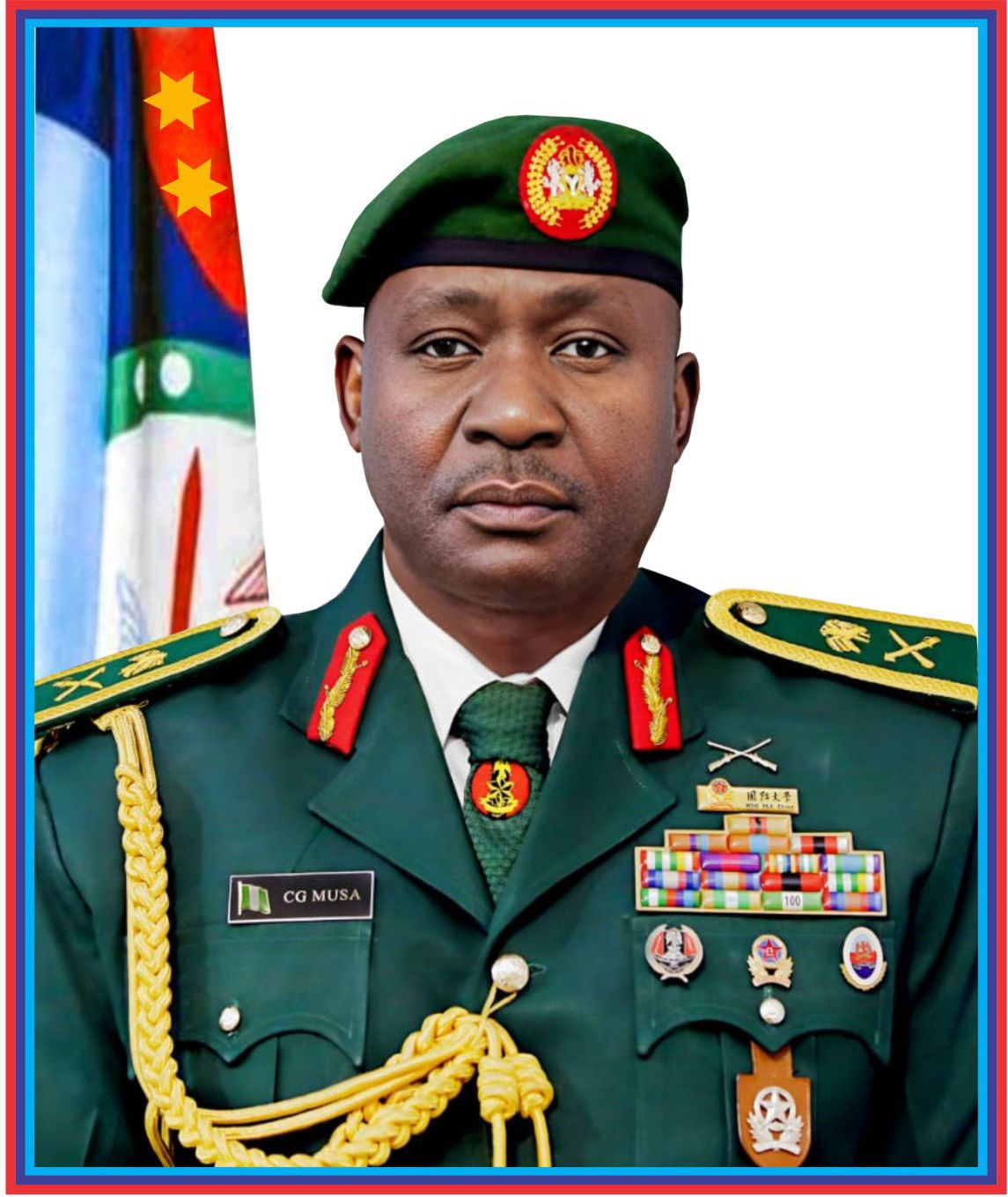
In a dramatic disclosure that underscores the fragility of our national democratic stability, Defence Minister, General Christopher Musa (retd.), has revealed that he was personally marked for arrest and execution in the foiled coup plot against President Bola Ahmed Tinubu’s government. His comments come as the military prepares to try officers accused of plotting to overthrow the civilian administration.
Personal Target in Plot – A Grave Revelation
General Musa made the startling admission during an interview on Channels Television’s Sunday Politics, explaining that the alleged conspirators had earmarked him for arrest — and if he resisted, they planned to shoot him. “I was also a target,” Musa said. “I was supposed to be arrested, and if I refused, I was supposed to be shot.”
The defence minister’s revelation lifts the veil on how far the alleged plotters were prepared to go, not just to remove top government leadership, but to eliminate senior security officials who might resist their plans.
Background: Arrests and Investigations
The alleged conspiracy first came to public attention in October 2025, when 16 military officers were detained by the Defence Headquarters (DHQ), on grounds initially described as “acts of indiscipline and breaches of service regulations.”


However, after months of investigations involving joint intelligence operations between the Nigerian Army, the Defence Intelligence Agency (DIA), and the Department of State Services (DSS), authorities confirmed that the arrests were linked to a broader attempt to overthrow the democratically elected government.
According to military officials, those implicated will be tried in accordance with the Armed Forces Act and military service regulations before an appropriate military judicial panel.
Scope of the Alleged Plot
While details are still emerging as the investigation continues, authorities allege the conspiracy involved plans to target multiple high-ranking government officials, not just the defence minister. These may have included President Tinubu, Vice President Kashim Shettima, and other senior leaders, indicating an ambitious and far-reaching design.
Some reports suggest the coup plan influenced or coincided with cancellation of national events — including Nigeria’s 65th Independence Anniversary parade — amid security concerns, though official confirmation is pending.
Response from Government and Military
In public statements, military leadership has sought to reassure Nigerians of the stability of the democratic order. Major General Samaila Uba, Director of Defence Information, emphasized that officers found to have a case to answer will face justice, and that due process will be respected throughout the proceedings.
General Musa, himself a retired Chief of Defence Staff before becoming Defence Minister, called the alleged plotters “unserious individuals,” questioning what motivated them to imagine they could succeed against the full force of the Nigerian Armed Forces. “If you look at the calibre of persons involved, I don’t know what got into their heads,” he said.
Political and Historical Context
Nigeria’s history is marked by numerous military coups and attempted takeovers, particularly between 1966 and 1993, before the country returned to democratic governance in 1999. These past experiences have left deep impressions on the national psyche and political culture.
That history partly explains the strong normative belief among many Nigerians — including President Tinubu, who has publicly opposed military interventions in politics — that democracy must be defended, even against internal security threats.
Reactions and Broader Implications
The Defence Minister’s comments have sparked a range of reactions across the country — from concern among civil society and political analysts about military discontent, to calls for greater transparency in how the investigation and trials are conducted.
While details remain limited regarding the plot’s origins or motivations, some analysts suggest internal grievances within the military — such as stalled promotions or perceived marginalisation — may have played a role in fueling disaffection, though this has not been officially confirmed by authorities.
Conclusion: A Test for Nigeria’s Democracy
General Musa’s revelation — that he was slated for arrest and execution by fellow officers — is a stark reminder of the persistent risks to democratic governance in Nigeria. The unfolding trials will inevitably test not only military discipline but also the country’s ability to uphold the rule of law while safeguarding constitutional order.
As proceedings move forward, Nigerians and international observers alike are watching closely to see how the government balances accountability with justice in addressing what authorities have described as a serious threat to Nigeria’s democratic foundations.