


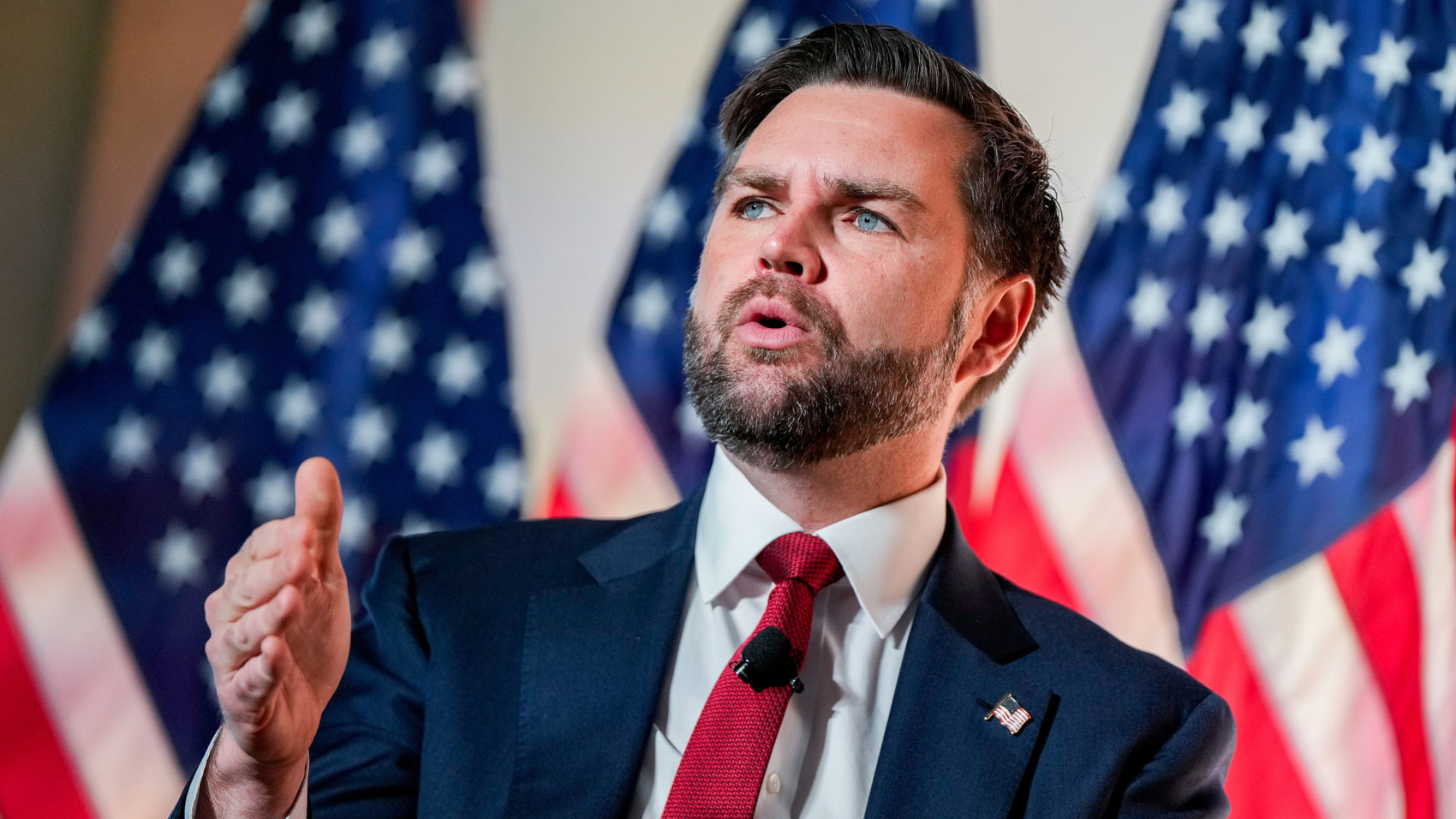
The White House has confirmed that U.S. Vice President, JD Vance, will lead an American delegation to Pakistan for renewed diplomatic talks with Iran. This announcement came on April 19, 2026, amid ongoing tensions in the Middle East and conflicting earlier remarks by President Donald Trump suggesting Vance might not attend.
The delegation is expected to include senior figures such as special envoy, Steve Witkoff, and presidential adviser, Jared Kushner, signaling the high importance Washington places on the negotiations.
Context: The 2026 Iran War and Ceasefire Efforts
The talks are part of broader diplomatic efforts to resolve the ongoing 2026 Iran war, a conflict that has already caused thousands of deaths and massive displacement.
- Earlier negotiations in Islamabad (April 11–12, 2026), lasted over 20 hours but failed to produce a final agreement.
- A fragile ceasefire is in place but is nearing expiration, increasing urgency for a diplomatic breakthrough.
- Key unresolved issues include Iran’s nuclear program and control of the Strait of Hormuz, a critical global oil route.
Pakistan has emerged as a central mediator, hosting negotiations and coordinating with other regional actors.


Objectives of the Upcoming Talks
The primary goals of the U.S.-led delegation include:
- Extending or stabilizing the ceasefire
- Negotiating limits on Iran’s nuclear activities
- Addressing maritime security, especially in the Strait of Hormuz
- Potentially reaching a broader framework agreement to end the conflict
The U.S. has reportedly pushed for a long-term halt (up to 20 years), on Iran’s nuclear development, while Iran has offered shorter-term concessions (3–5 years), highlighting a major sticking point.
Conflicting Signals and Diplomatic Uncertainty
The situation is marked by inconsistent messaging from Washington:
- President Trump initially suggested Vance would not attend the talks.
- The White House later clarified that Vance will indeed lead the delegation.
This inconsistency reflects broader uncertainty in U.S. strategy, which combines diplomacy with aggressive rhetoric. Trump has repeatedly warned of severe military action if Iran refuses U.S. terms, including threats to target infrastructure.
Iran’s Position
Iran has not definitively confirmed participation in the talks. Key concerns from Tehran include:
- The ongoing U.S. naval blockade, which Iran considers a violation of the ceasefire
- Perceived excessive U.S. demands
- Distrust due to recent military escalations
Despite official hesitation, logistical preparations in Islamabad suggest that negotiations may still proceed.
Security and Global Implications
The talks are taking place against a volatile backdrop:
- Iran has reportedly re-closed the Strait of Hormuz, disrupting global oil supply chains.
- U.S. naval forces are actively escorting ships in the region.
- Oil markets and global energy prices remain unstable.
The outcome of these negotiations could significantly impact:
- Global energy security
- Middle East stability
- U.S.–Iran relations
- Broader geopolitical alliances
Significance of Vance’s Leadership Role
Vice President Vance’s leadership underscores the importance of the mission. He previously led the first round of talks, which, although unsuccessful, were described as “constructive” and marked rare direct engagement between the two nations.
His continued role suggests:
- Continuity in U.S. negotiation strategy
- High-level political commitment
- An attempt to maintain diplomatic momentum despite setbacks
Outlook
The upcoming talks represent a critical juncture. Possible scenarios include:
- Breakthrough agreement: Leading to ceasefire extension and gradual de-escalation
- Partial deal: Temporary arrangements without resolving core disputes
- Failure: Potential resumption or escalation of hostilities
Given the combination of diplomatic efforts and military pressure, the negotiations are high-risk but potentially decisive.
Conclusion
The White House confirmation that Vice President, JD Vance, will lead the U.S. delegation to Iran talks in Pakistan highlights a renewed push for diplomacy amid an escalating conflict. While the move signals seriousness on the U.S. side, deep mistrust, unresolved nuclear issues, and ongoing military tensions make a successful outcome uncertain.
The talks in Islamabad could either pave the way for a broader peace framework or mark another missed opportunity in a rapidly deteriorating geopolitical crisis.