


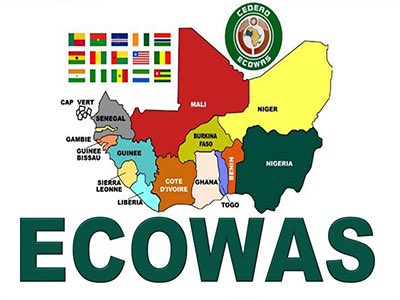
The Economic Community of West African States (ECOWAS), has declared a state of emergency across West Africa in response to a wave of military coups and attempted power grabs that have shaken the region over recent years. The announcement signals a decisive move by the bloc to confront escalating threats to constitutional governance and regional stability.
The decision was formally declared by ECOWAS Commission President, Omar Alieu Touray during the 55th ordinary session of the bloc’s Mediation and Security Council at ministerial level, held in Abuja on December 9, 2025.
Addressing ministers and diplomats, Touray described the recurring unconstitutional changes of government as a “grave threat to peace and democratic governance,” stressing the need for “deep reflection on the future of democracy in our sub-region” and a significant increase in investment in collective security mechanisms.
Rising Instability Triggers Regional Alarm
The declaration comes just days after security forces in Benin foiled a coup attempt, the latest in a string of political crises that have seen military takeovers in Mali, Burkina Faso, Guinea, and Niger since 2020, alongside repeated unrest in other member states.


According to ECOWAS, these disruptions represent a systemic threat to West African stability, with implications that stretch far beyond the borders of the affected countries. Coup-driven instability has repeatedly destabilised trade, displaced civilians, and emboldened extremist groups, particularly in the Sahel region.
ECOWAS’ Strategic Response
ECOWAS’ emergency declaration is not merely symbolic. It sets the stage for concrete, coordinated action under the bloc’s protocols on conflict prevention and collective security. The measures under consideration include:
-
Strengthened sanctions against leaders and regimes involved in unconstitutional power seizures.
-
Deployment of standby forces from member states, including Nigeria, Ghana, Côte d’Ivoire, and Sierra Leone, to support threatened governments and protect constitutional order.
-
Accelerated reforms to ECOWAS’ protocol on democracy and good governance to prevent future crises and enhance accountability.
The emergency framework reflects ECOWAS’ evolution from a regional body that primarily issues condemnations, to one willing to take decisive steps to preserve democracy and stability.
Implications for West Africa
The state of emergency highlights several pressing issues for the region:
-
Collective Security Under Test: ECOWAS’ capacity to respond effectively to multiple crises will be scrutinised. Rapid deployment of troops and enforcement of sanctions will test both logistics and political cohesion.
-
Economic Consequences: Political instability threatens trade, investment, and economic growth. Countries affected by coups often see capital flight, disrupted markets, and rising unemployment.
-
Humanitarian and Security Spillovers: Coup-ridden states are vulnerable to human rights abuses, displacement, and extremist violence. Neighbouring states may face refugee flows and security challenges.
-
Regional Leadership: Nigeria, as ECOWAS’ largest member, faces growing pressure to lead stabilization efforts while balancing domestic and regional priorities.
Looking Ahead
ECOWAS leaders are expected to convene an extraordinary summit in the coming weeks to adopt specific measures under the emergency framework. The summit will likely finalise sanctions, coordinate standby force deployments, and institutionalise reforms designed to safeguard democracy and reinforce the bloc’s authority.
The wave of coups and political unrest in West Africa marks a critical test for ECOWAS. Its ability to turn this state of emergency into effective action will shape the future of democracy, security, and regional integration in one of the world’s most geopolitically dynamic regions.