


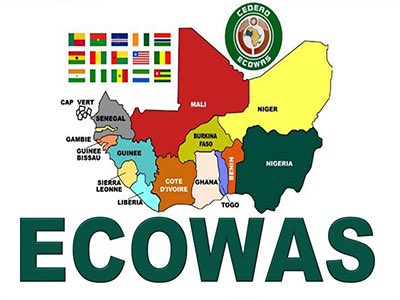
In a landmark decision taken by its Air Transport Ministers in Lomé, Togo, the Economic Community of West African States (ECOWAS), has endorsed a new regional strategy to significantly reduce the cost of flying within West Africa. Under the plan — to take effect from 1 January 2026 — all member states will remove non-compliant aviation taxes and reduce passenger service and security charges by 25%.
The rationale for the reform is clear: charges, taxes, and fees currently make up almost 50% of the total cost of an air ticket in the region.
Many of these levies have been deemed non-compliant with international aviation standards set by the International Civil Aviation Organization (ICAO), prompting calls for harmonisation across ECOWAS states.
In addition to tax removal and charge reductions, ministers adopted a regional regulation establishing common security, operational and regulatory standards — part of broader efforts to modernise and secure the sub-region’s aviation sector.


An oversight committee is to be established to monitor implementation and ensure that the benefits from reduced charges are passed on to passengers — and not retained solely by airlines or airports.
Why This Reform Matters — Context & Impetus
For years, travellers within West Africa have complained about prohibitively high ticket prices — often much higher than comparable routes in other African regions or beyond.
According to the authorities, the high cost of air travel has been a major barrier to regional integration, economic cooperation, tourism, and free movement of goods and people.
Moreover, studies indicate that West African airports have been charging substantially more than airports elsewhere — in some cases over 100% more for passenger service and security charges compared to their peers.
By aligning charges with ICAO standards and eliminating excessive taxes, ECOWAS aims to make air travel more competitive, accessible, and affordable — thereby boosting intra-regional mobility, trade, tourism, and overall economic growth.
Transport officials believe that the reform could lead to a surge in passenger traffic — possibly by as much as 40% — once implemented.
What Changes for Passengers (and Airlines) from 2026
-
Lower Ticket Prices: With taxes eliminated and charges on passenger service and airport security cut by 25%, airlines are expected — and urged — to pass these savings to customers.
-
More Affordable Regional Travel: Intra-West Africa air travel should become significantly cheaper, making it easier for people to travel for business, family, tourism or trade.
-
Growth in Demand for Flights: Reduced costs may trigger a jump in passenger numbers — helping airlines and airports across the region.
-
Better Regional Integration & Connectivity: Easier, cheaper flights could facilitate trade, unity, and mobility across ECOWAS member states.
-
Modernised Aviation Operations: With harmonised charges and regulatory standards, airports and airlines may be motivated to improve efficiency, safety, and services — perhaps also expanding non-aeronautical revenue streams.
Challenges & What to Watch For
While the reforms are promising, their success depends on implementation:
-
Pass-through of savings: It remains to be seen whether airlines and airports will translate the reduced charges into lower ticket prices — or keep the savings.
-
National-level adjustments: Each member state must repeal or amend relevant national taxes — which may require legislative or fiscal measures.
-
Operational sustainability: Airports may need to find alternative revenue sources (e.g. non-aeronautical income), to compensate for reduced charges.
-
Monitoring & compliance: The oversight committee will need to be effective to ensure transparency and avoid abuse.
What It Means for Nigeria (and Passengers in Lagos)
For travellers in Nigeria, my nation — including Lagos, my home city — this could bring major benefits. Cheaper tickets for flights to other West African capitals mean more opportunity for business, tourism, family visits and trade. It could also spur growth of regional airlines and better connectivity across the region.
At the same time, airlines operating international routes may feel pressure to adjust pricing strategies, which could eventually benefit long-haul air travel too.
A New Era for West African Air Travel
The decision by ECOWAS to remove taxes and cut charges represents more than just a cost reduction — it signals a shift in approach toward making air travel a tool of regional integration rather than a luxury. If implemented effectively, the reforms could transform the way West Africans travel, trade, and connect with one another.
Time will tell if airlines, airports, and governments follow through — but the commitment is there.